Food prepared with love is a gift for the soul and heart. Folk wisdom says: If food is made with soul and good spirits, then a person who tastes this food also gains peace of mind, good mood, and spiritual enrichment. Protective dishes are not just food that satisfies hunger or fills the stomach, but a symbiosis of physical and spiritual elements. The physical element refers to the food itself and its ingredients, while the spiritual encompasses customs, traditions, rituals, and, in general,
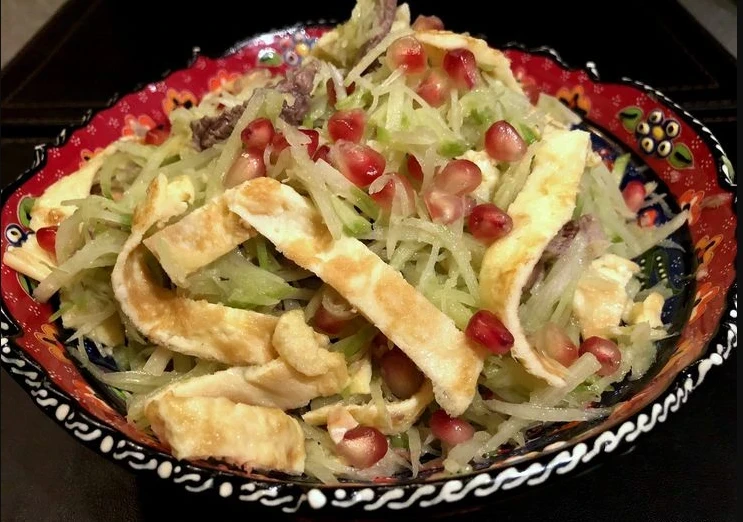
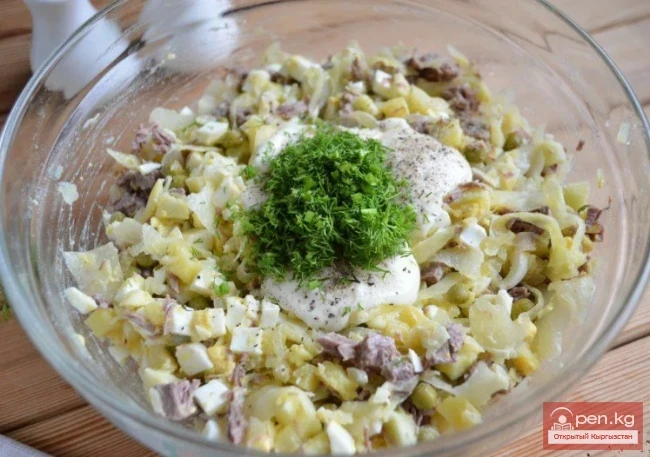
Salad "Ala-Archa" is a traditional Kyrgyz dish named after one of the most famous ski resorts in Kyrgyzstan. The name "Ala-Archa" translates to "multicolored stones" or "stone mountains." This salad is one of the symbols of Kyrgyz cuisine and is distinguished by its bright and juicy flavors. One of the features of the "Ala-Archa" salad is the use of meat.
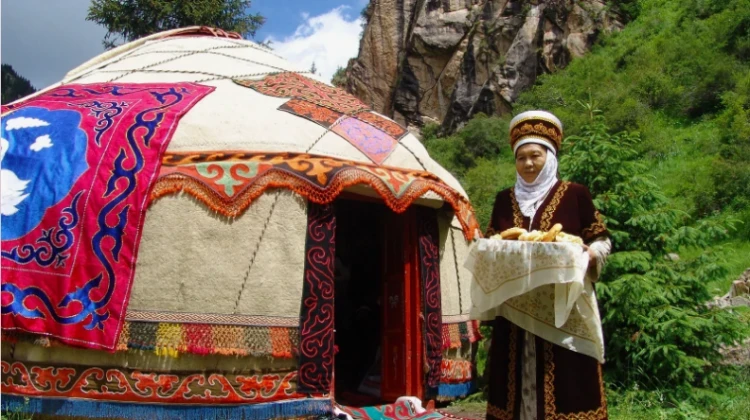
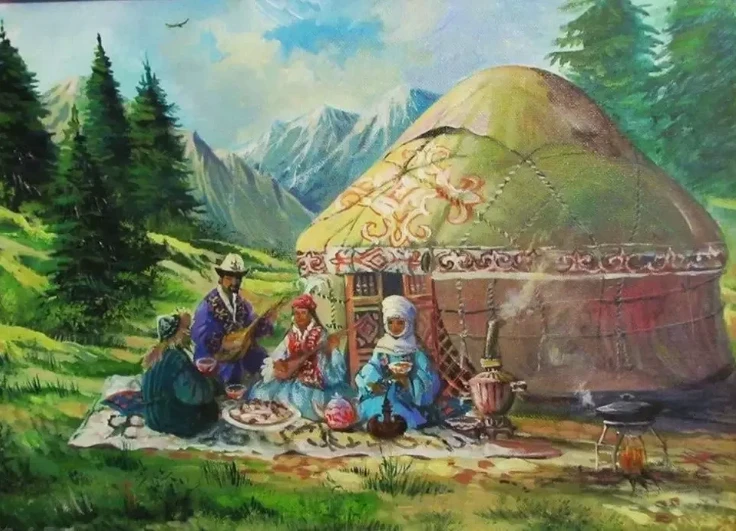
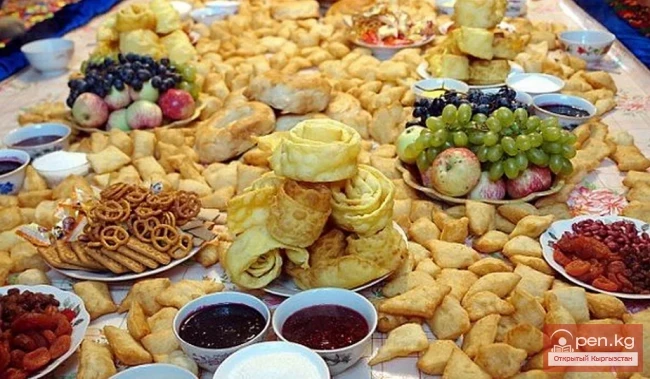
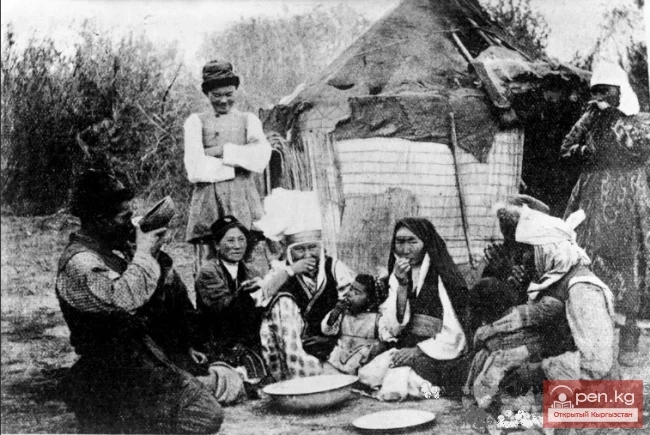
Where there is a guest, there is joy and abundance. "It is a sin to leave a hospitable home without tasting the bread," say the Kyrgyz. Indeed, it is in customs that the soul of the people lives, in traditions lies their strength. Hospitality is a distinctive national trait of the Kyrgyz people. For the Kyrgyz, a guest is sacred. It was believed that with the arrival of a guest, the home fills with happiness (kut). In ancient times, the owner of the yurt had to feed the guest and his
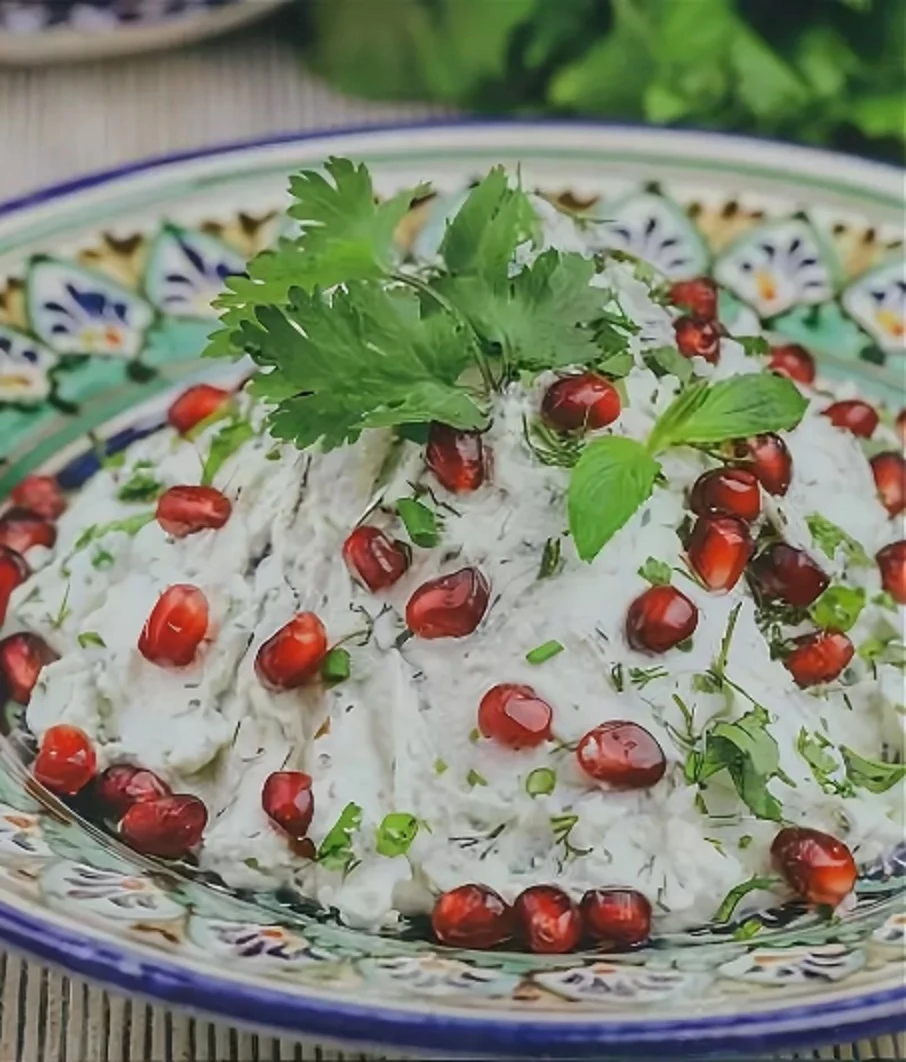
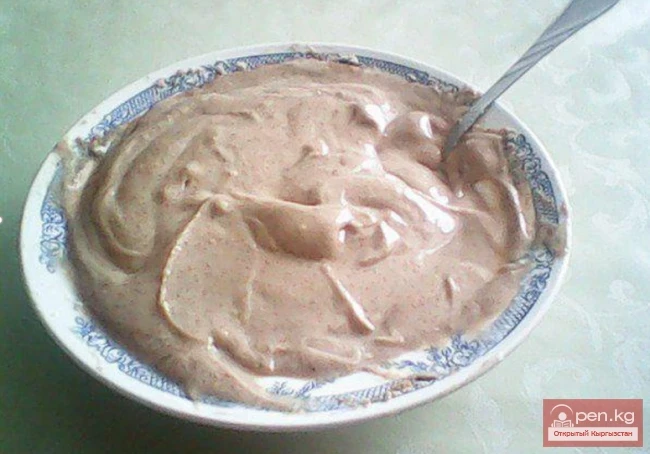
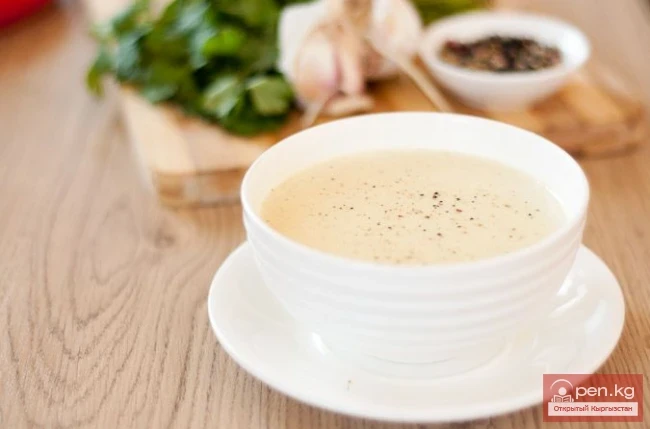
Have you heard of the delicacy called suzma? In short, it is a fermented milk product obtained by separating whey from katyk. In terms of consistency, it resembles sour cream, but the taste is different. The name of the product translates from Turkic as "strained," which fully reflects its preparation method. Ready suzma is eaten as a standalone dish, added to salads and soups. Suzma (suzma) can have different consistencies; a thicker version is suitable for pâtés, and it is often
The word is the soul of the people! Each proverb is a true gem, extracted from the depths of the national consciousness and polished by time. The civilization of the Kyrgyz nomads is a true treasure trove of wisdom and a repository of moral foundations for us, their descendants and heirs. It is very important for us today to restore much and to carefully manage the wealth bequeathed to us. After all, most of the traditions, legends, proverbs, and taboos represent the philosophy and moral
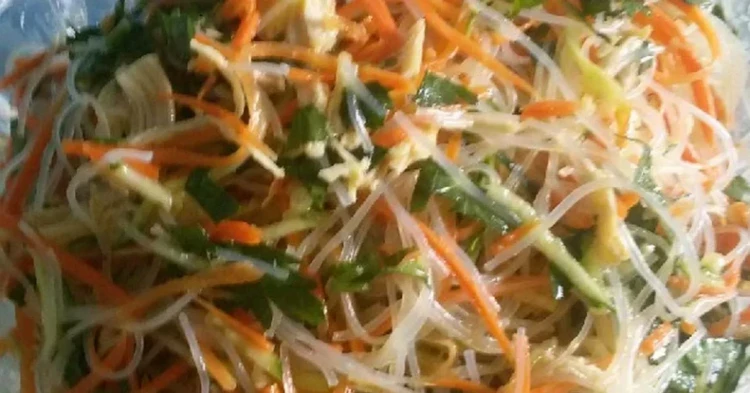
Ingredients: Starch noodles - 120g, carrot - 130g, radish - 200g, vegetable oil - 100g, garlic - 20g, vinegar (3%) - 30g, ground red pepper - 10g, jusay or herbs - 10g. Preparation method: Cut the carrot and radish into strips, rub with salt, squeeze out the juice, season with pepper, mix with starch noodles and finely chopped garlic, and dress with vinegar and cooled heated oil.
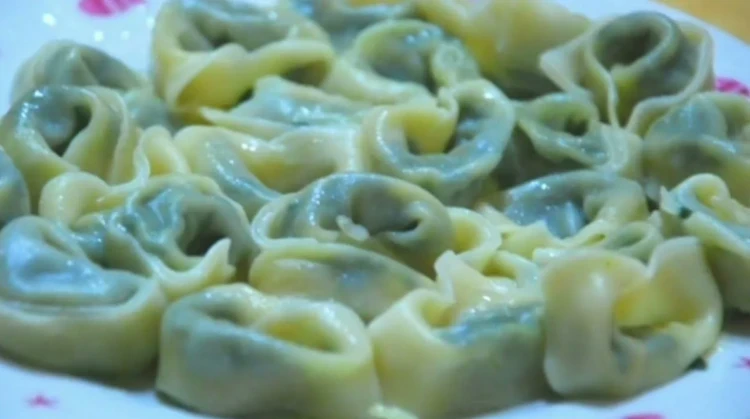
This dish was mainly prepared by southern Kyrgyz tribes closer to autumn. At this time, the seeds of the maroo plant ripened; they were harvested, collected, and dried, then winnowed and cleaned. The cleaned seeds were ground for a long time in a mortar. Pre-cooked potatoes were mashed into a puree, to which maroo flour was added and mixed, along with salt and oil to taste. The dough was kneaded well, then rolled out, cut into squares, filled with maroo, and wrapped. The shape can be like that
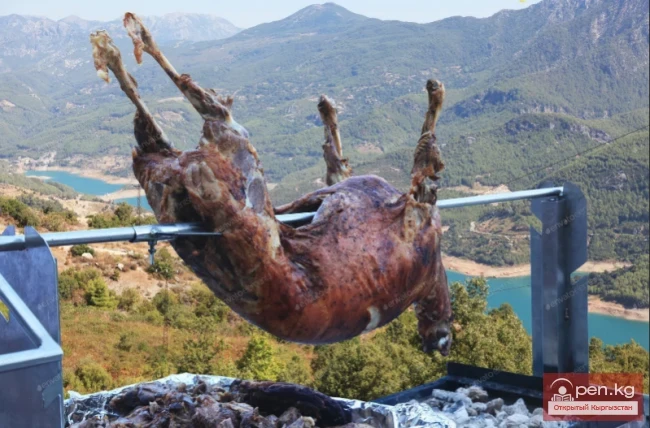
The recipe for this dish was found among the ethnic Kyrgyz in China (Xinjiang Uygur Autonomous Region). This dish is prepared on special occasions, when meeting respected relatives or friends. The cooking process is very labor-intensive and lengthy, but the dish is worth the time and effort spent. After trying this dish with a smoky aroma and a subtle taste of meat and navat (fried sugar), a person will long remember its flavor. Ingredients: 4 heads of black ram Navat (fried sugar) 350-400 g
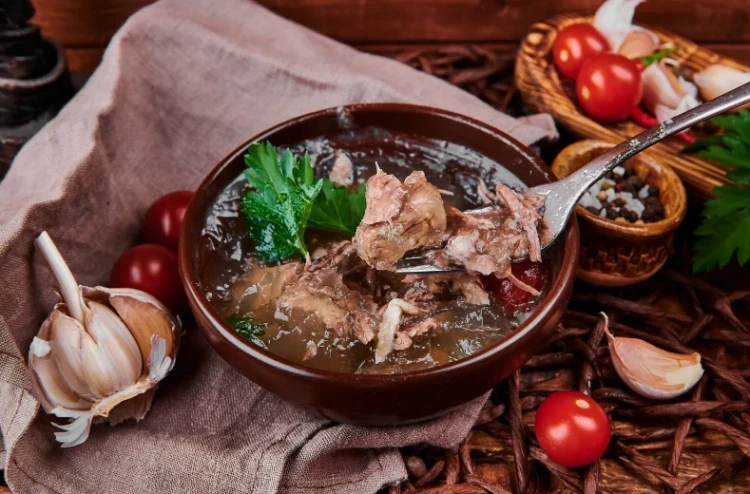
This special soup is prepared and served in conjunction with the ritual "Bertik Suruu." Regardless of the ingredients, this special soup helped the sick person to get back on their feet, and the sick person was also aided by faith in the power of words, the ritual accompanying this dish, and the ritual "Bertik Suruu." This ritual has come down to us from the distant times of our ancestors. "Bertik" comes from the word "bertinip," which means a sharp pain
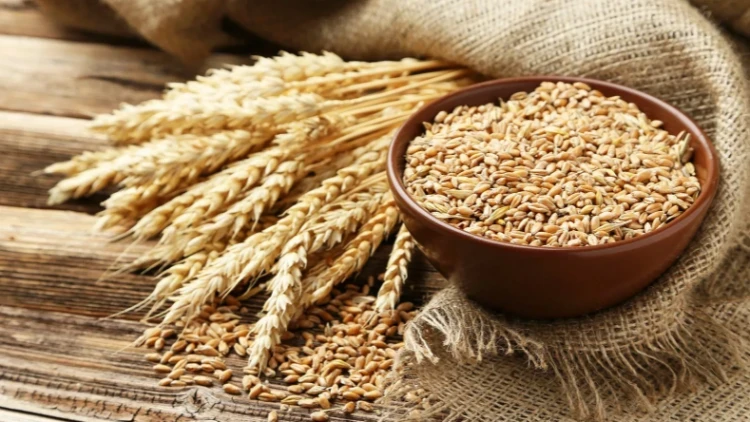
According to the stories of the elders, each tribe kept the methods of preparing their warriors a secret, and among other things, each clan had its own recipes for food for them. The best provisions, believed to give strength to the warriors, were considered to be buttered wheat. The serving of the dish was invariably accompanied by prayers and sayings invoking victory and triumph in battles. Feeling the power from the food, the warriors would leave, inspired towards victory by the words and
In traditional cuisine, there were dishes with meaning, that is, speaking dishes. “Ulburchok” is not just food, but a dish that gives a person a sense of dignity, self-respect, and a good mood. But the most interesting thing is that the recipe for this ancient national dish has been preserved by ethnic Kyrgyz living in the village of Shaty in China. It is they who told researchers the story of its origin and the secret of this unique product.
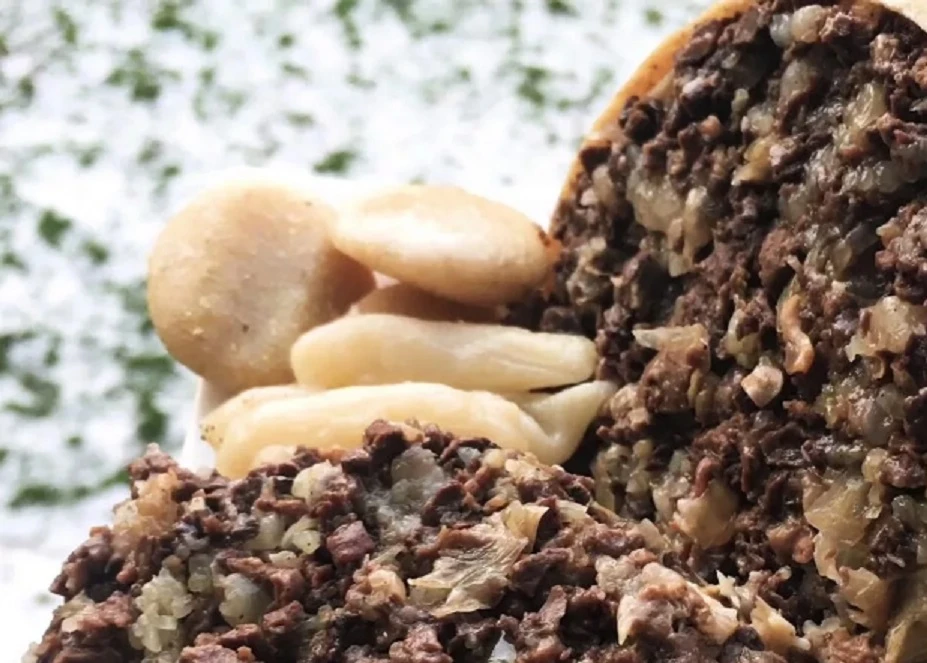
Balgam. This is an ancient meat dish of nomads, which was also specially prepared in very rare cases when meeting particularly honored guests. These guests could be the head of the yurt, a hero distinguished in battle, a great baatyr, or a storyteller of the epic "Manas" who visited their lands. To prepare this dish, they took a young black lamb. It was cut along the joints and placed in a cauldron with mare's milk. They lit a fire from juniper trees, which gave the dish a
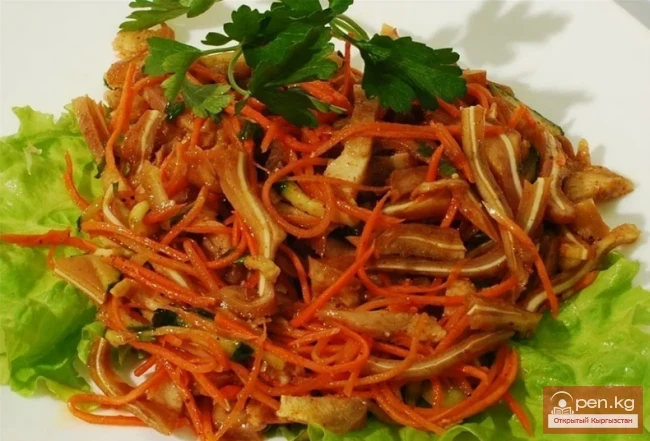
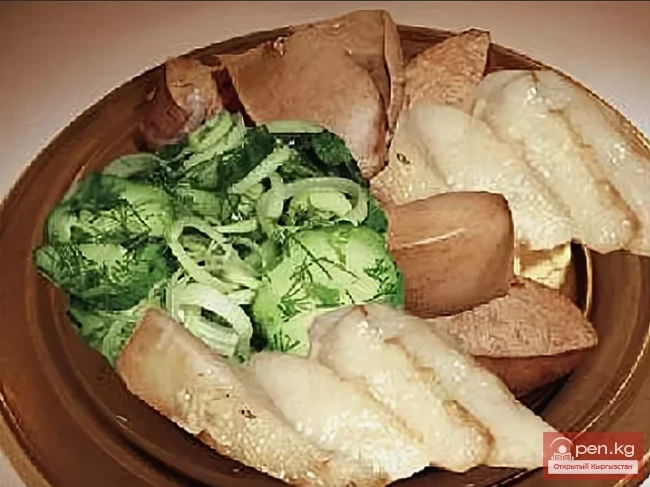
SALAD "KYIAL" Tripe - 900g, carrot - 100g, radish - 200g, onion - 100g, vegetable oil - 100g, garlic - 20g, vinegar essence - 10g, ground red pepper - 10g, herbs and jussai - 15g. Boil the tripe, then cut the radish, onion, and carrot into thin slices (0.5x0.5), combine them, adding finely chopped garlic, vinegar, ground red pepper, pour cooled hot oil over it, and serve in a salad bowl, garnished with herbs or jussai.
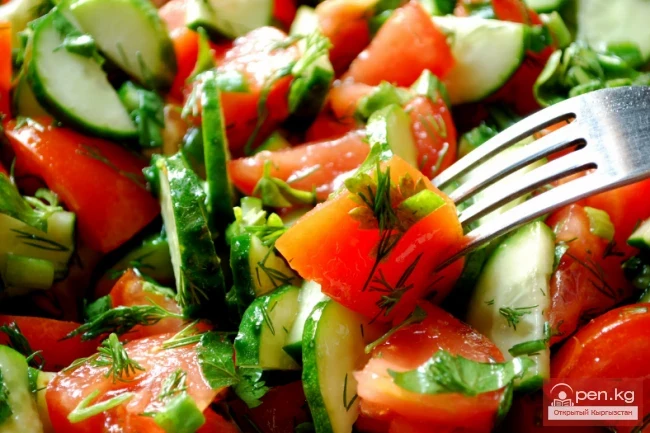
A fresh vegetable appetizer is relevant at any time of the year, especially during the summer period. It is impossible to spoil, and adding other vegetables allows you to prepare completely different appetizers every day. A low-calorie salad made from fresh produce is beneficial for the body. Juicy tomatoes and cucumbers pair excellently with each other. Often, they do not require additional components, but many hostesses enjoy experimenting with the dish's composition.
People tell stories about an interesting meat dish called "Töö tukum." This dish is prepared on special occasions when waiting for a very honored visitor from another country, showing deep respect for the guest. It is said that when this dish was being prepared, the aroma of the meat spread throughout the surrounding area. To make it, four types of animals were used: a camel calf, a foal, a calf, and a lamb. They tried to use smaller animals. First, they prepared the camel calf,
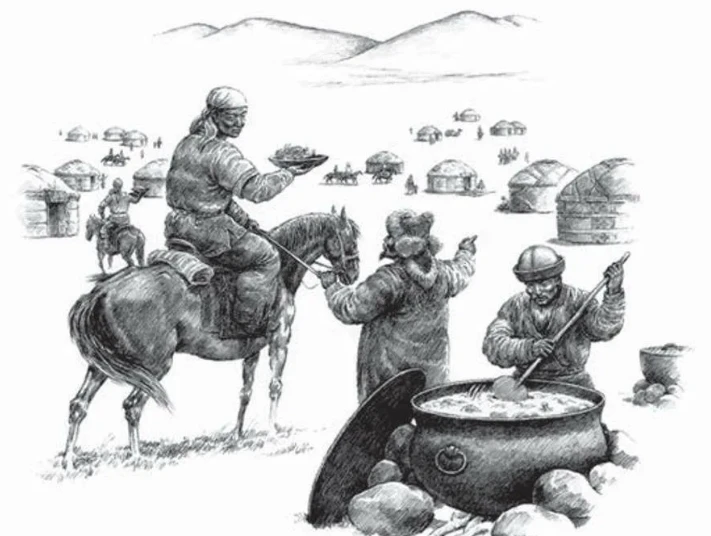
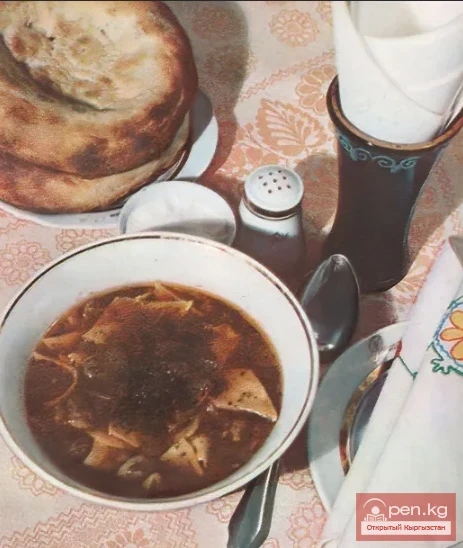
Chon Kojo - an ancient dish of the Kyrgyz. It is prepared for Nauryz. On this day, everyone gathers for the celebration. This is a holiday of uniting the community around one table, which promotes peace, harmony, and tranquility among the people. It is said that there was once a severe famine. At that time, they decided to cook a common soup together. Everyone brought whatever they had. After cooking chon kojo, the people prayed for a good harvest, hoping that the coming year would be
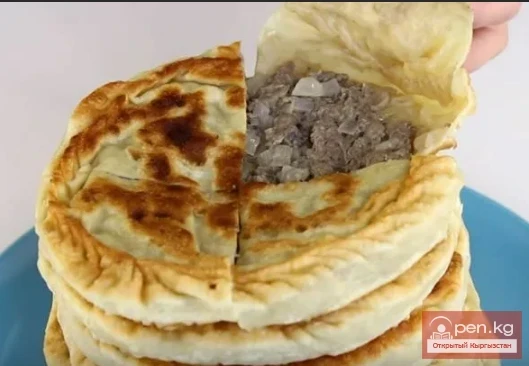
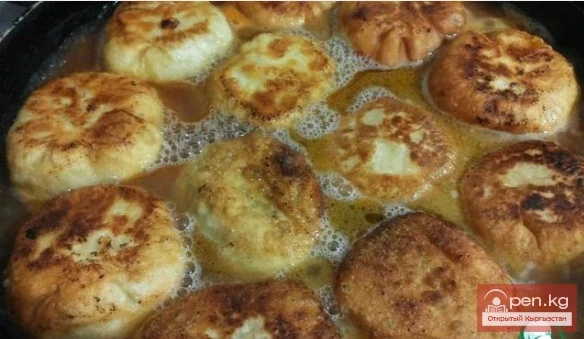
Goshnan Goshnan are meat pies. Although they resemble flatbreads more. They are cooked in a tandoor, in an oven, or in a frying pan with a small amount of vegetable oil. Kyrgyz people make goshnan with young lamb, cut into small cubes, and onions. The filling uses raw minced meat. To ensure it cooks through, goshnan are fried over low heat under a lid. They are eaten hot. Ingredients: flour - 4 cups dry yeast - 2 tsp salt - 10 g water - 500 ml for the filling: duck fillet - 400 g onions - 3
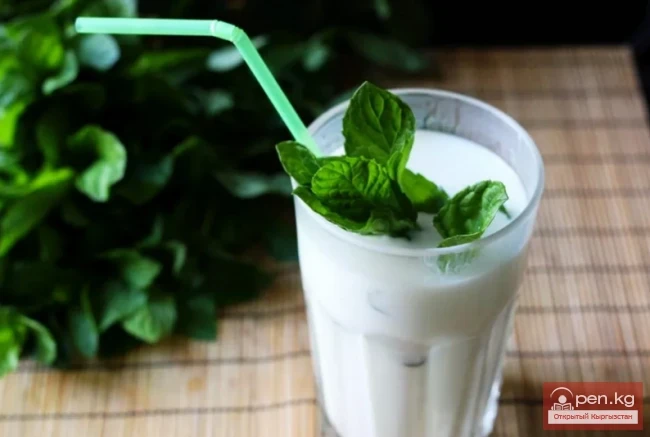
Drink "Tan" The manufacturer of the drink "TAN", LLC "Artezian", which perfectly masters all the subtleties of preparing this drink, uses only high-quality and environmentally friendly products in its production, and the preparation of "TAN" is carried out on the most modern equipment. All of this together ensures high quality and compliance with all the requirements for this product. Tan is a fermented milk drink made from cow's or goat's milk
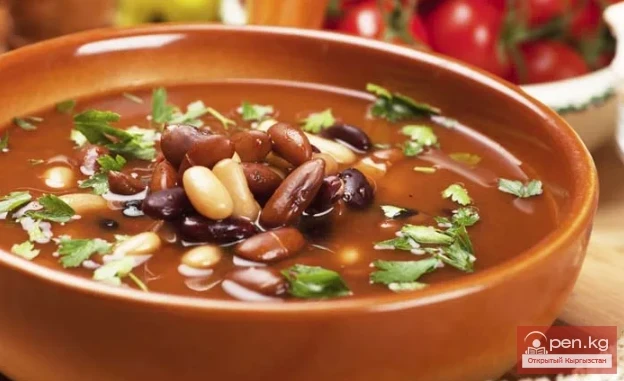
Lamb Soup with Beans Loya Ash is the name of a Kyrgyz soup made with lamb, beans, vegetables, and herbs. I recommend using this culinary recipe to try authentic Eastern cuisine. Moreover, it is a very tasty, nutritious, and healthy soup. Ingredients:
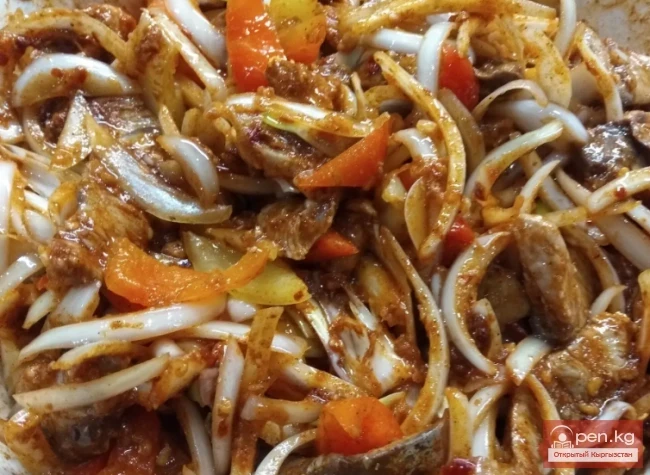
SPICY SALAD Spicy salad is a wonderful appetizer that stimulates the appetite. It can be enjoyed as a snack, complemented with bread. It offers a variety of flavors. This salad is quite easy to prepare, making it accessible even for a hostess without culinary experience. Ingredients:
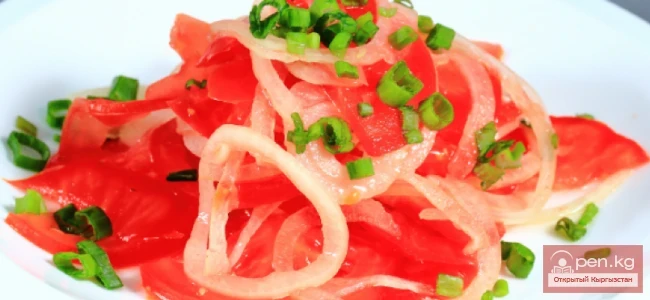
Achik-Chuchuk (Shakarap) A delicious, simple salad made from tomatoes in Uzbek cuisine, served alongside the national Eastern dish — plov. It is prepared extremely simply and quickly, yet turns out amazing, harmoniously adding a sour-spicy taste to the fluffy rice of the plov. Variations of the Achik-Chuchuk tomato salad are widely spread in Central Asia. Kyrgyz cuisine has named it Shakarap. Ingredients:
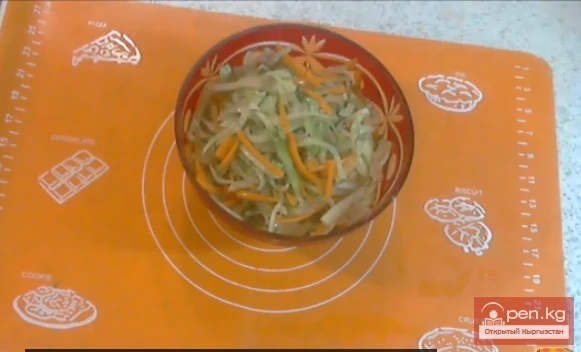
SALAD "ZHAI" Salads have become an integral part of modern meals. They are always tasty, diverse, and can be prepared for any occasion. Salads can adorn a festive table or be an essential part of everyday menus. Their amazing property is that extraordinarily delicious salads can be made from the most ordinary ingredients. There are many salad recipes — from simple to quite complex. We offer you one of such salads.
Kuyruk Boor Kuyruk Boor or Kuyryk Bauyr is a popular snack prepared in Kyrgyzstan and Kazakhstan. There is a similar dish in Uzbekistan called Dumba Jigar, but it is served very rarely, as people prefer to make delicious shashlik from these ingredients. Traditionally, before serving the main dish - Beshbarmak / Et asu, a series of snacks are offered to guests to stimulate their appetite, among which is Kuyruk Boor. The name of the dish comes from two words - Kuyruk (Kuyryk) meaning lamb tail
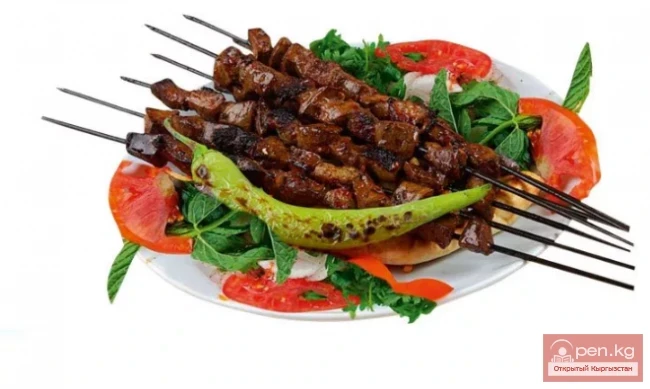
Shishkebek Shishkebek is a dish from Kyrgyz cuisine, consisting of kebab made from lamb or beef, marinated in onions and vinegar with the addition of spices. Ingredients:
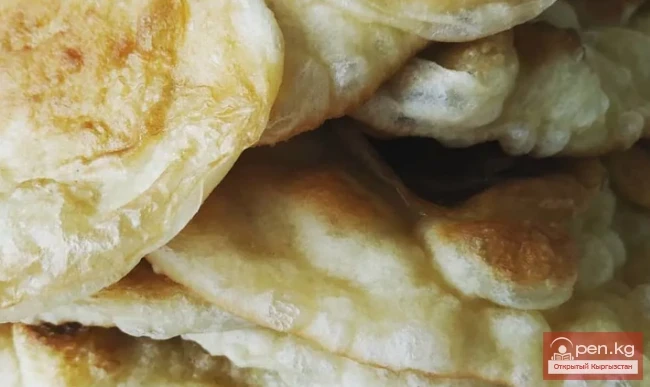
"Mai Tokoch" The cuisines of nomadic peoples are simple. They predominantly feature dishes made from meat, milk, and flour. Therefore, such flatbreads replace bread for first courses, and they are also served with tea. In modern Kyrgyz cuisine, there is an effort to preserve traditions and national dishes. The pancakes made from this recipe turn out fluffy, airy, and delicious. To prepare Kyrgyz pancakes, you will need the ingredients listed below.
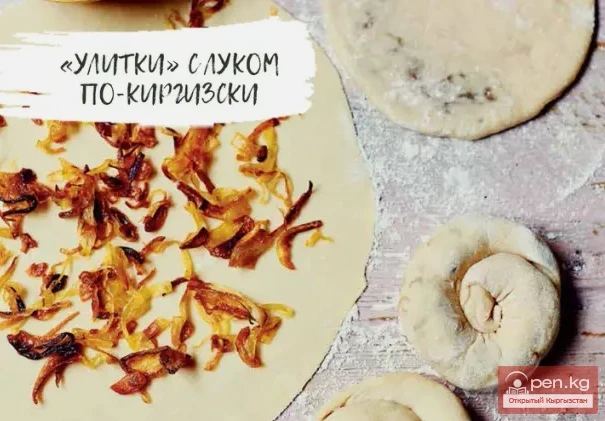
Kyrgyz-style 'Snails' with Onions Delicious fried flatbreads are very popular in Kyrgyzstan, where they are served hot, straight from the skillet, usually with soup. In this case, the "snails" called "kattama" can be made with or without yeast, but the sweet and slightly spicy caramelized onions in this recipe are essential. INGREDIENTS:
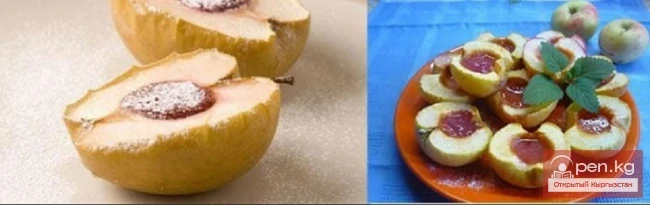
Shirin alma. In translation from Kyrgyz, it means – sweet apple. To prepare this dish, you do not need any exotic ingredients or special spices, which are usually abundant in Eastern cuisine recipes. Shirin alma can be very easily and quickly prepared at any moment in any kitchen, and anyone without culinary skills can do it.
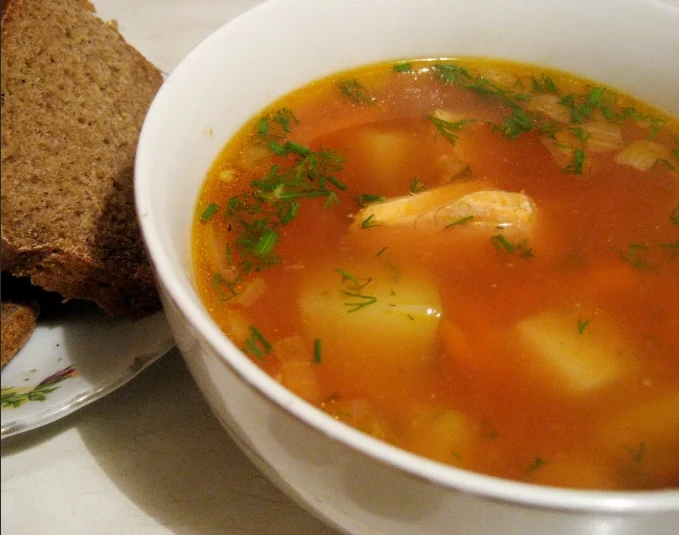
Shepherd's Soup If you want to experience the charm of the nomadic life of a Kyrgyz shepherd and feel like a free herder in the valleys of Kyrgyzstan, then you can simply prepare a real Kyrgyz shepherd's soup. The base of most soups is broths made from meat, poultry, game, and vegetables. In the menu, soup usually comes first or follows a cold appetizer. Prepare shepherd's soup according to our delicious and quick culinary recipe from the national Kyrgyz cuisine.
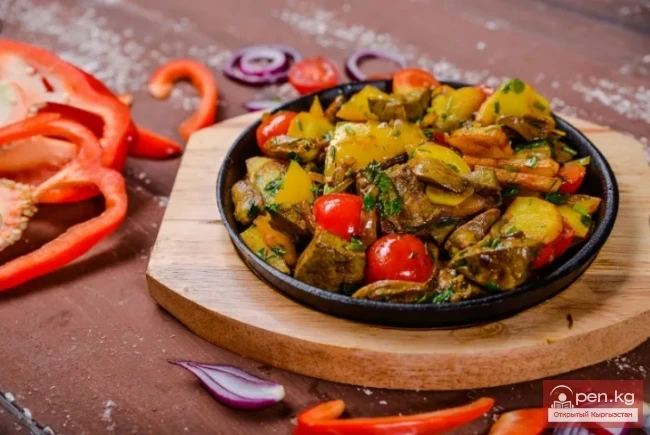
Chyz-byz Chyz-byz is a well-known dish of Kyrgyz cuisine. It is a dish of shepherds, which they used to eat and still eat during their long journeys across the pastures. In Kyrgyz cuisine, the dish is made from lamb meat and lamb offal. During cooking, it is important not to stray far from the pan. You need to keep everything under control, stir, and add the ingredients one by one. Chyz-byz cooked over an open fire, infused with smoke, is undoubtedly delicious. But it can also be prepared in
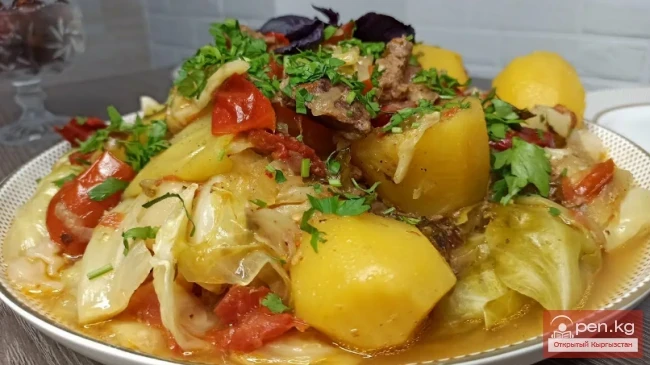
Dymdama Dymdama is a mixture of vegetables that are stewed in a special way. It has many names - dymlyama, dumlyama, domlyama. There are similar dishes - khashlama, basma. The vegetables are partially steamed, while the lower layers cook in their own juice. It is very tasty and healthy. Traditionally, it is made with lamb with fat tail. However, it can be made with any meat. The amount of vegetables can vary depending on the size of the pot. The vegetables used for dymdama include cabbage,
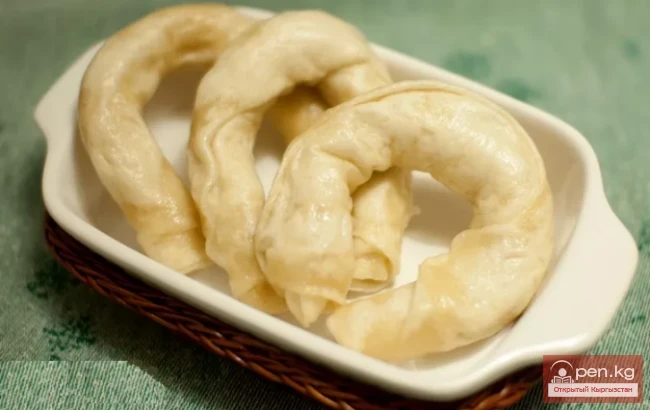
Yutaza (a dish made from sour dough, steamed) Yutaza is a national dish of Kyrgyz cuisine that will appeal to those who love steamed dishes. It is a very interesting yet simple recipe. Yutaza is made from yeast dough, which is greased with oil, rolled into tubes, and steamed. Ingredients:
Salad "Zhanilyk" The salad belongs to Kyrgyz cuisine and features a very interesting combination of ingredients. It is served with greens and canned cherries. The salad is hearty and meaty, enough to feed 4-5 people! Ingredients:
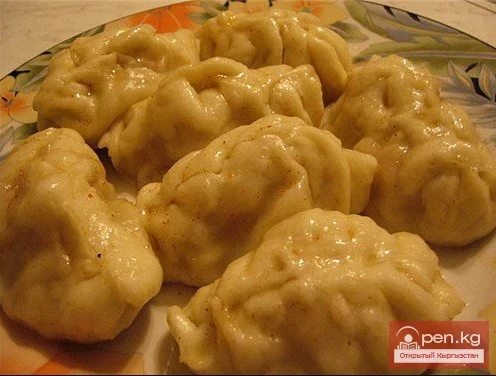
Khoshan Khoshans are the Kyrgyz version of the well-known dish called manti. The general cooking technique is indeed similar. However, while manti are steamed in a steamer, khoshans are browned in a pan and then stewed in a small amount of water. The difference in taste is simply colossal; each dish has its own charm. Ingredients:
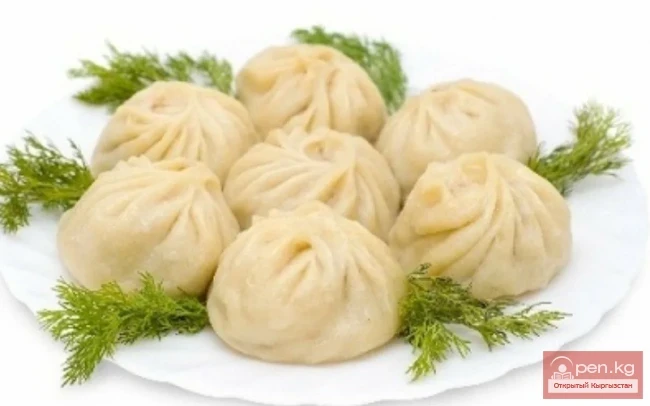
Boman-boza. This dish is prepared similarly to khoshan, but instead of frying, it is steamed, like manti. Boman-boza is round in shape. In the classic version, boman-boza is made from lamb and tail fat.
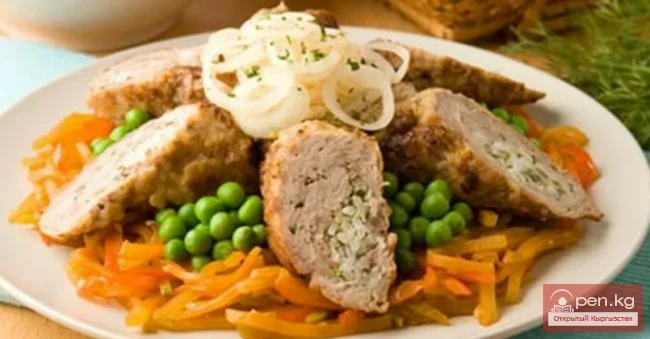
Jumshak-et (soft meat) This culinary recipe is intended for all lovers of authentic Asian cuisine. Jumshak-et is a dish from Kyrgyzstan, where people love to cook food from lamb and its offal. Method of preparation: For the filling, chop the raw fat, onion, and garlic into small cubes, finely chop the jussai, drizzle with vinegar, mix, and leave to marinate for 1-2 hours, then add the steamed rice. Rinse the meat, clean it from membranes and tendons, cut it into 4 portions, slightly pound it,
Tan-mosho Ingredients: 0.5-1 liter of liquid (milk, water, or a mixture of both), 1/2 cup of vegetable oil or 3-4 tablespoons of melted butter, 1 teaspoon of salt, 1-2 tablespoons of sugar, 20-50 g of yeast, 1-1.2 kg of flour (the amount of flour depends on its quality).
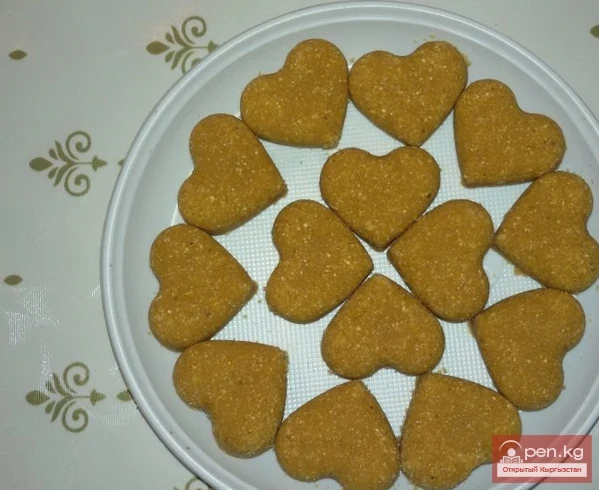
Zhansak Any feast for Kyrgyz people begins and ends with tea, and it is customary to serve sweets with tea. In Kyrgyzstan, it is common to make sweets from the gifts of nature: nuts, fruits, berries, and fragrant mountain honey – for example, zhansak. This sweet is a type of candy. But unlike modern candies, they contain not a gram of chemicals.
Aigul Cookies Very tasty, delicate in flavor. Just melts in your mouth. Very easy to prepare; the main thing is to use good quality butter, and then the cookies will turn out well. The amount of sugar can be reduced if it is too sweet. To connect the cookies, use boiled condensed milk. Thick jam or thick cream also works well. It is important to chill the dough well before baking; you can freeze a piece of dough or place the baking tray with the cookies in the freezer. Ingredients for making
Ash-airan This dish is known in folk medicine as a dietary option. It is suitable for those who are on a diet. It is very healthy and low-calorie. Ingredients:
Köche To prepare this dish in ancient times, corn, wheat, or barley was ground in a mortar. The grain was placed in the mortar, slightly moistened with water, and pounded until the husk separated. The crushed grain was sifted through a coarse sieve and then soaked in water for 5 to 6 hours. In some regions, this method of preparing grain is still used.
Zhenmomo (dough balls) The basis of various flour dishes is dough. The Kyrgyz people have long prepared hot dishes using dough. Here is another product made from dough Ingredients
Bread and Bread Products. Bread baking was most widespread in the southern regions and also in Karategin. It is based on common Central Asian traditions, primarily carried by Uzbeks - Sarts and Tajiks. Baked bread constituted a small part of everyday food. Flour products in various forms were combined with meat and dairy products; often they played an independent role in the diet. Baking dough in ash, frying in a dry cauldron or skillet, and boiling in fat or broth were widely practiced. These
Plant-based Food. In the second half of the 19th century, a significant place in the dietary habits of the Kyrgyz was occupied by plant-based products. Both cultivated and wild plants were used, with cultivated plants playing a dominant role. Research confirms that agricultural skills were well-known among all groups of Kyrgyz. Agriculture was most widespread in the regions of the Ferghana Valley, Ketmen-Tyube, Talas, and Issyk-Kul valleys. In the southern regions of Kyrgyzstan, they grew and
Meat Dishes. In the second half of the 19th century and until the beginning of the 20th century, meat played an important role in the diet of the Kyrgyz. The Kyrgyz consumed mutton, horse meat, beef, and to a lesser extent camel meat and goat meat. In areas where yaks were raised, yak meat was often consumed. Mutton and horse meat were especially valued. In wealthy households, beef was looked down upon as it was considered smelly - sasyk, and those wealthy individuals who owned a large number
Milk and Dairy Products. In the traditional diet of the Kyrgyz, among all products available to the general population, milk and dairy products were prominent. They consumed sheep, cow, mare's milk, and to a lesser extent, goat and camel milk. The Kyrgyz of the inner Tien Shan, Alai, and Pamir also used yak milk, which was characterized by high fat content. Whole milk was consumed very sparingly; it was given to children mixed with various types of cottage cheese and also for medicinal
Ayran Ayran is a fermented dairy product common in Central Asia. It is a thick mixture that tastes similar to yogurt. Ayran has been consumed for 15 centuries, and its invention is attributed to Turkic nomadic tribes. They spent their lives on the move and needed a drink that could quench their thirst and hunger on the road. They noticed that if they added a special starter culture to their favorite milk, it would sour, acquire a pleasant taste, and last a long time. Later, to their delight,
The Food Culture of the Kyrgyz The formation of the traditional food culture of the Kyrgyz went through several stages, determined by the peculiarities of ethnic history, economic structure, and ethnocultural contacts with neighboring peoples. The first fragmentary information about the peculiarities of Kyrgyz food from the second half of the 19th century is found in reports, accounts, and works of travelers and scholars who visited Kyrgyz lands before and after its annexation to the Russian