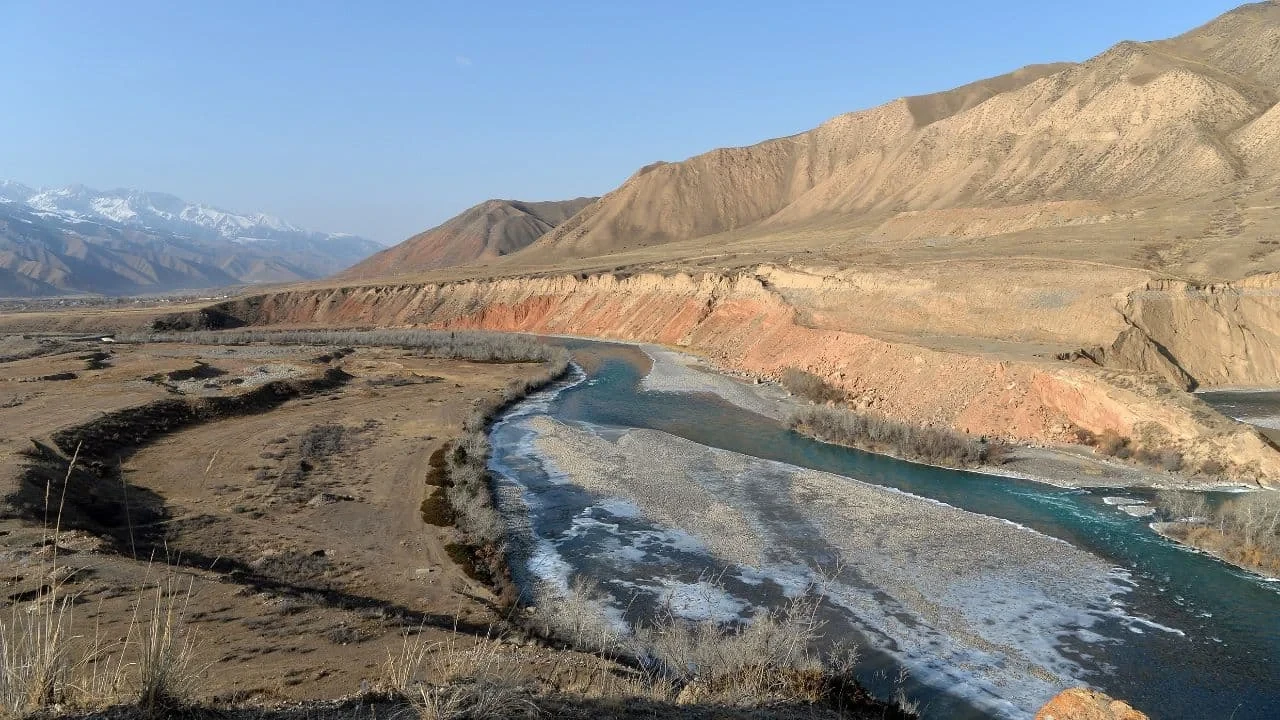
Kyrgyzstan and Russia have begun the process of resolving disagreements regarding the construction of the Upper Naryn cascade of hydropower plants. Previously, under Atambayev's leadership, the project was launched on a large scale, but its implementation was later suspended due to conflicts between the parties, leading to legal disputes. The inability to reach an agreement with investors resulted in the termination of the agreement with "RusHydro," leaving Kyrgyzstan in a disadvantaged position.
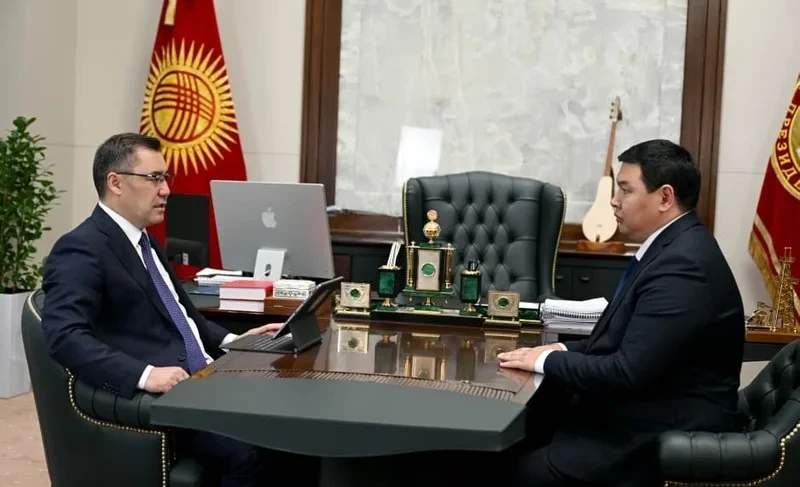
Currently, steps are being taken to resolve the issues that have arisen and to restart the project. The negotiations involve the Deputy Prime Minister of Kyrgyzstan Daniyar Amangeldiev, the country's Minister of Energy Talaybek Ibraev, Russian Minister of Energy Sergey Tsivilev, and representatives of "RusHydro." Although details are still limited, it is already clear that the parties are striving for mutual understanding and the resumption of construction of the Upper Naryn cascade.
“At the meeting, further steps for the project were outlined, and the participants agreed to continue working in this direction,” an official statement emphasizes the positive changes in the energy sector. Kyrgyzstan and Russia are focused on activating the project, which has the potential to significantly increase generation capacity in the country, critically important for meeting growing demand and launching new enterprises.
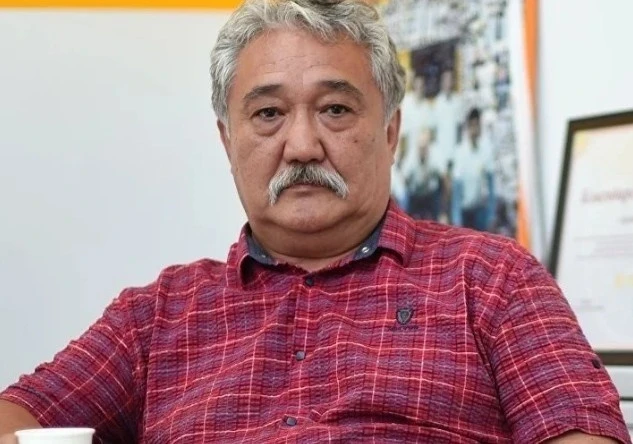
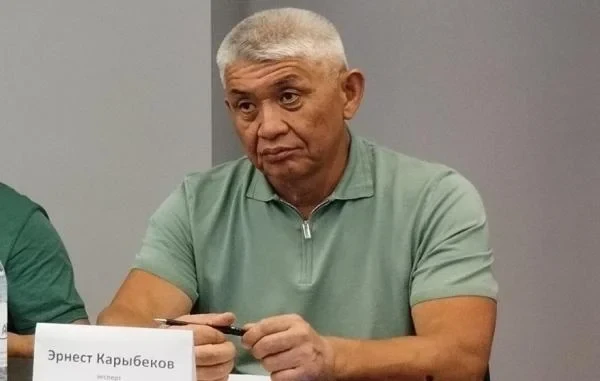
Ernest Karybekov, an energy expert, notes that the energy systems of Central Asia and Russia operate in parallel, supporting each other and ensuring power flows. We have a unified energy system of the CIS, we are close partners and are interested in each other's stability. In the context of rising energy consumption, this is particularly relevant.
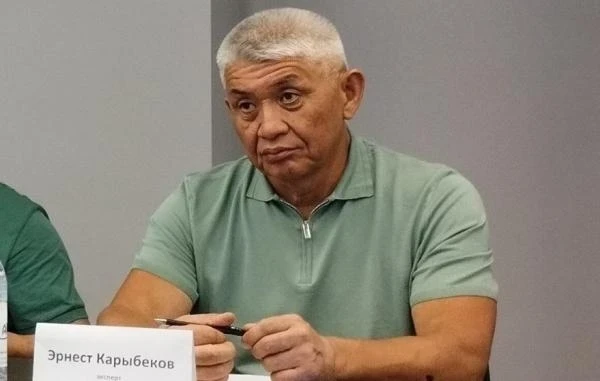
The construction of these four hydropower plants may take 2-3 years and will make a significant contribution to solving the problem of internal deficit. It is important to implement the project without attracting expensive loans, using internal reserves and resources. This will reduce the payback period for investments in energy facilities while maintaining acceptable tariffs for the population and businesses,” Karybekov added.
The cost of the Upper Naryn cascade is expected to be around $750 million. In the context of a growing economy and double-digit GDP growth, this amount does not seem unmanageable. Moreover, the government actively supports investments in the energy sector.
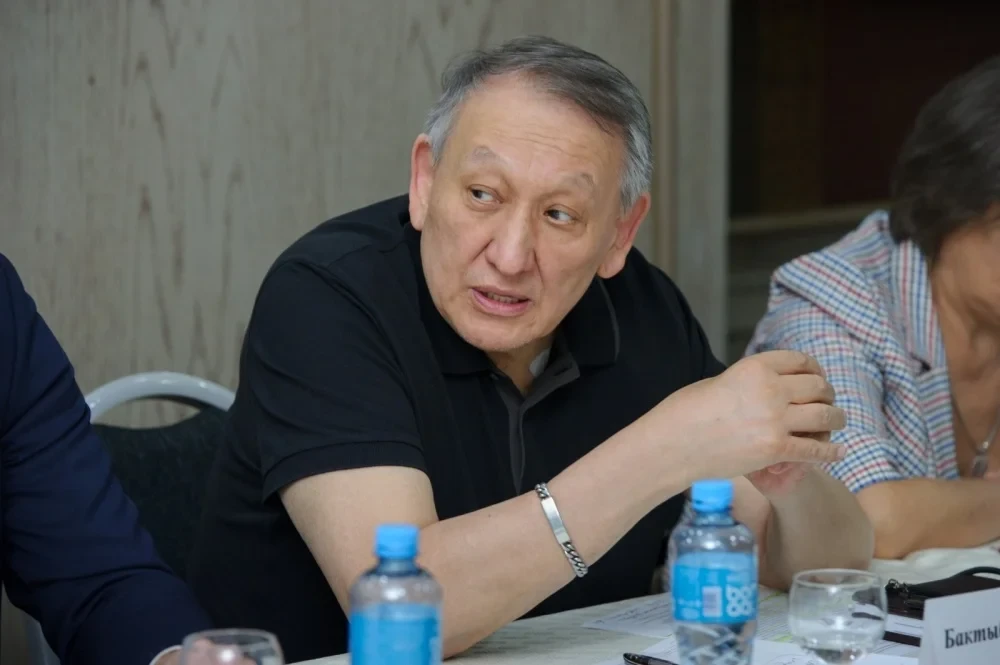
Environmental expert Baktybek Saipbaev emphasizes that if the construction of the cascade had begun in 2012, it would have been operational long ago, significantly simplifying the resolution of issues related to increased load and growing demand.
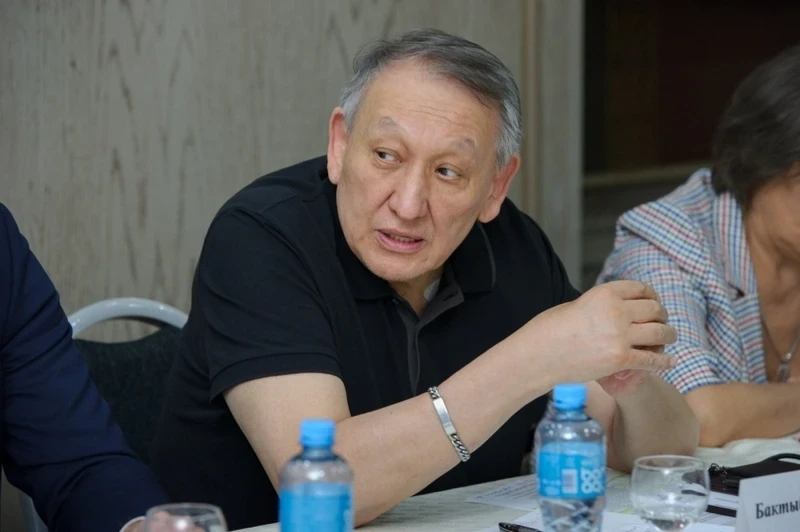
Serious additional generation is extremely important. This will be clean energy obtained from renewable sources, which is especially relevant in the context of deteriorating ecology in large cities. Hydropower plants do not pollute the atmosphere, and the development of hydropower is a priority direction. This will help reduce emissions and preserve a healthy environment. In the context of climate change, such projects should be launched as soon as possible. I hope that Kyrgyzstan and Russia will find ways to resolve disagreements with "RusHydro," which is extremely important,” Saipbaev noted.
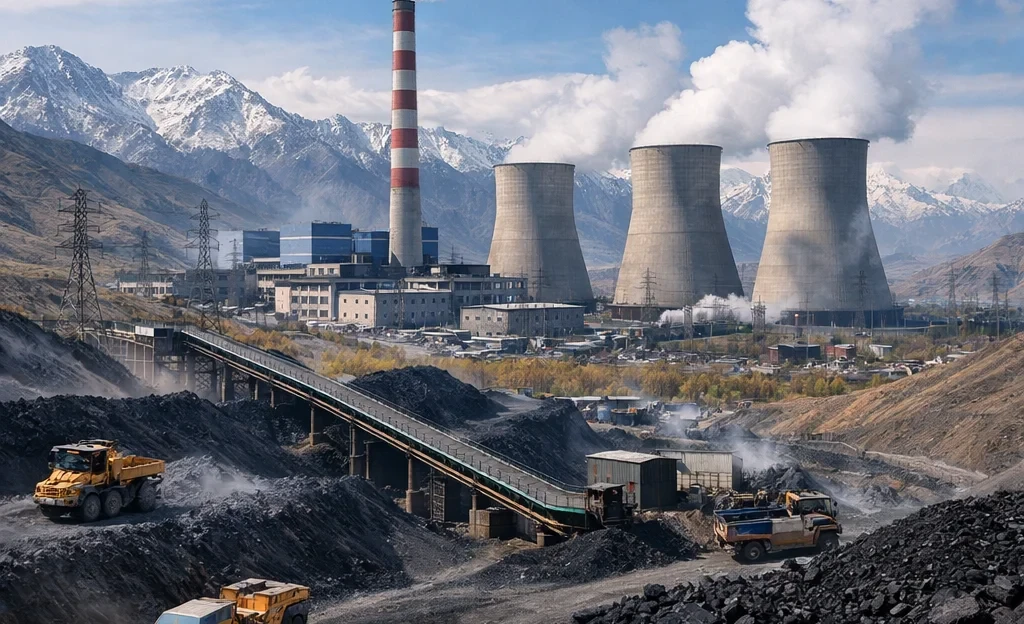
Although Kyrgyzstan's energy security has not yet been fully achieved, experts note that in recent years, the right steps have been taken to stabilize the situation in this strategic sector. A program is being implemented under which, in a few years, the republic should become an exporter of electricity. Dozens of small hydropower plants are being built in the country, "Kambar-Ata - 1" is being constructed, as well as a thermal power station at the Kara-Keche coal mine, and electrical networks and high-voltage substations are being modernized.
Experts are confident that at this pace, Kyrgyzstan will fully cover its deficit in the coming years and will be able to achieve a surplus in electricity production.