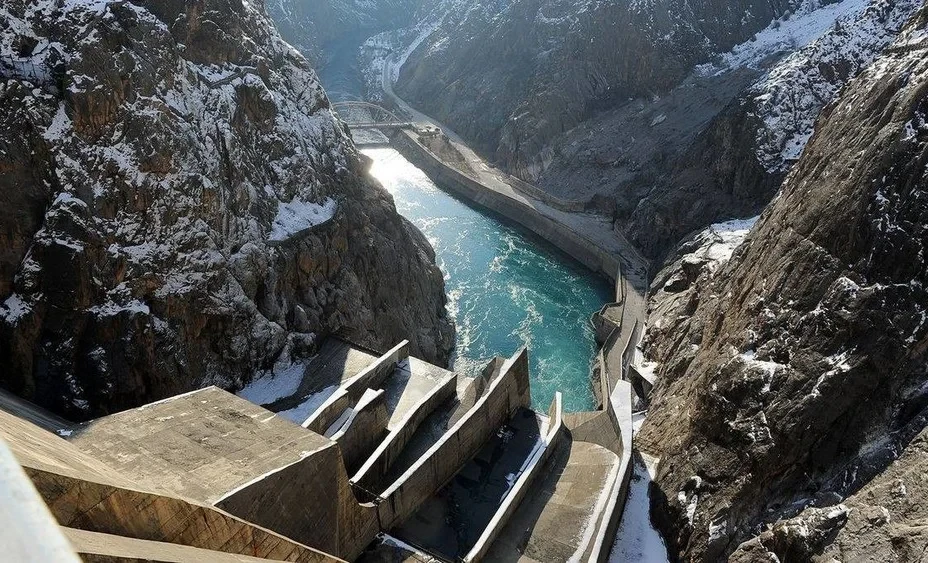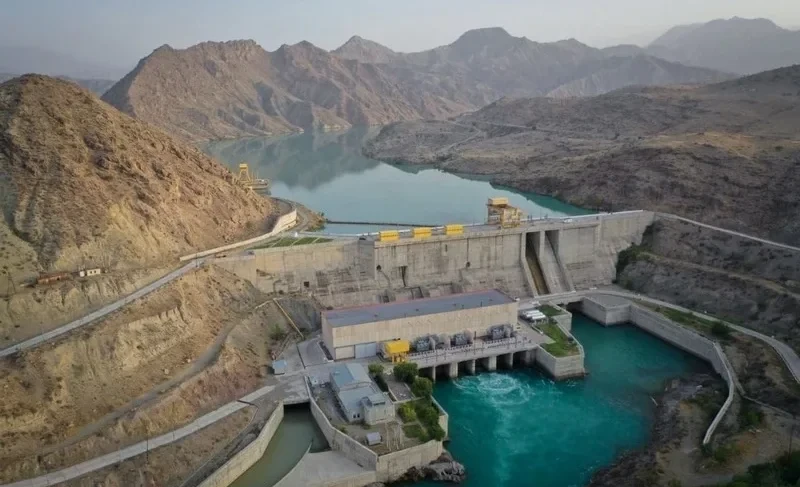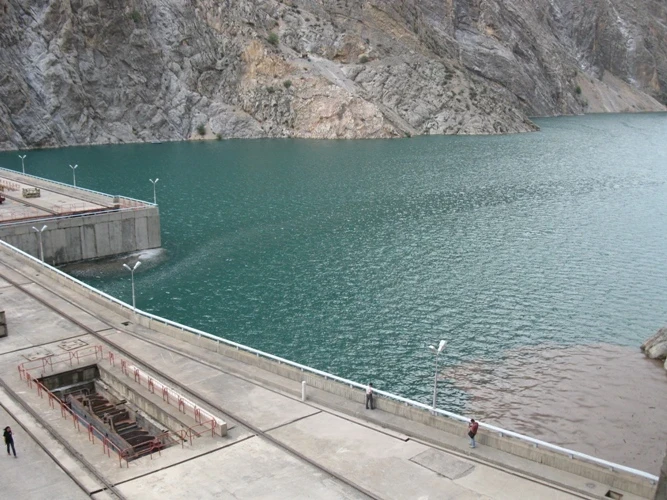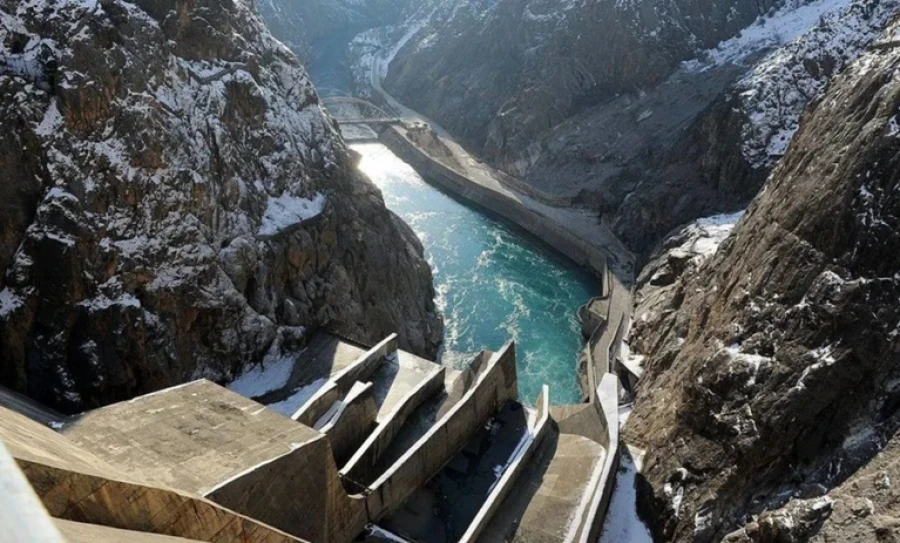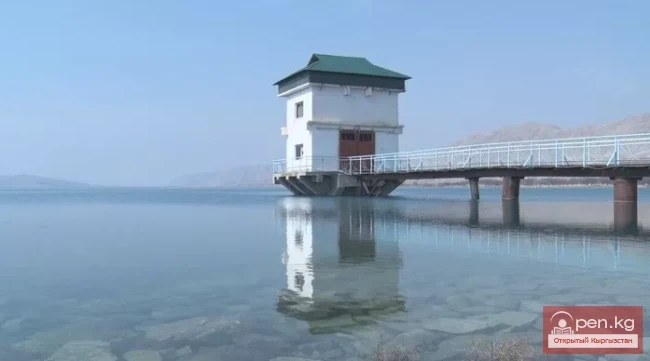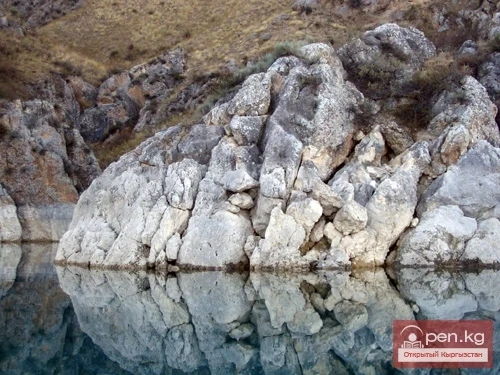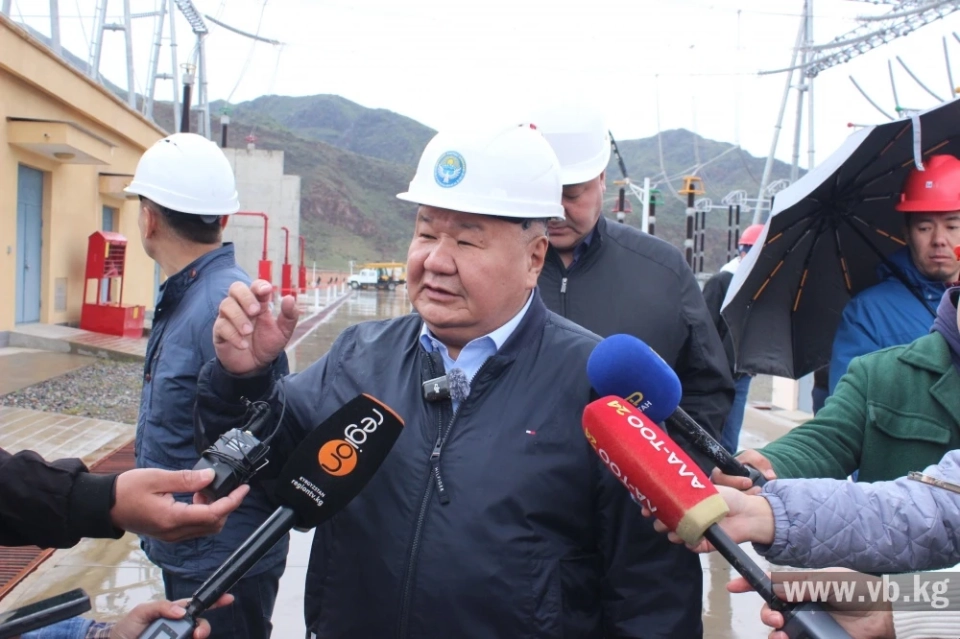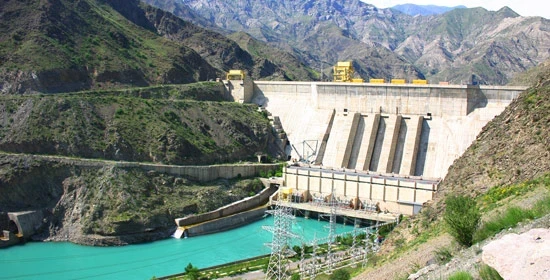
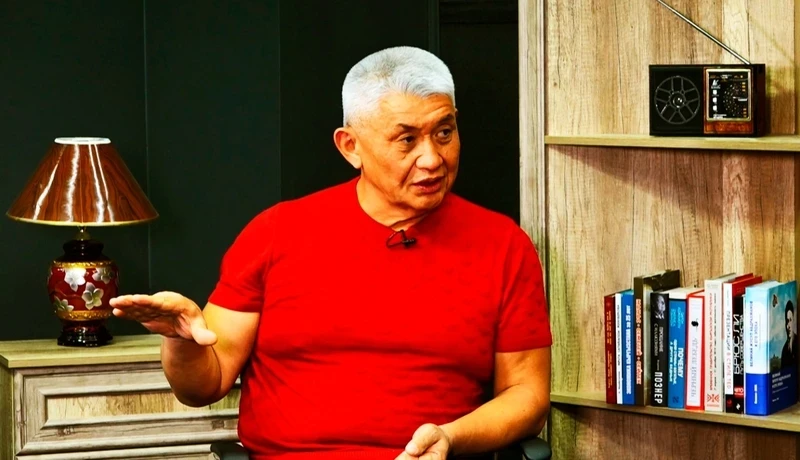
An energy expert, Ernest Karybekov, shared his observations about the current heating season in Kyrgyzstan and the situation with the water level in the Toktogul reservoir, which is currently lower than in the same period of previous years, in an interview with the Kabar agency. He also discussed possible projects that could help improve the situation in the energy sector.
- As of October 1, 2025, the volume of water in the Toktogul reservoir was 1.8 billion cubic meters less than last year. However, thanks to the warm first half of winter, by January 15, this difference decreased to 1.6 billion cubic meters. This means that water consumption was 200 million cubic meters lower compared to previous years.
If the current situation persists until the end of the heating season, which ends on April 1, we should be able to get through the winter without serious problems. Even with a possible deterioration in weather conditions in the remaining months of winter, we should have about 6.5 – 6.8 billion cubic meters of water left. For reference, a level of 5.5 billion is considered critical, and we will not reach that threshold.
We may need to introduce certain restrictions and conserve resources, but this is still preferable to facing emergency situations.
- Can we count on support from neighbors in the form of increased electricity imports? What are the risks if the water level in the Toktogul reservoir reaches critical values?
- Our energy companies are making the most of the resources that neighbors can provide: Russia, Uzbekistan, Turkmenistan, and Kazakhstan, according to bilateral agreements. The networks are operating at maximum capacity, so resource-saving measures are justified to ensure system stability.
It is important to note that the Toktogul reservoir has been in operation for over 50 years, and during this time, siltation has occurred, which increases the wear and tear on the equipment of our main hydroelectric power station at low water levels. Therefore, in the current situation, it is necessary to maintain the overall volume of resources.
- We are aware of the prolonged dry period. How could this affect our hydropower potential, and how can we support energy and economic development under such conditions?
- Construction of a thermal power plant in Kara-Keche has begun in the country. The current leadership is trying to correct the shortcomings of previous years. If the previous authorities had paid attention to this, the TPP would already be operational, and the water level in Toktogul would be at the proper level, which would have allowed us to avoid restrictions. We could have a reserve of 4-5 billion kilowatt-hours, but unfortunately, time has been lost.
Nevertheless, it is necessary to correct these mistakes. I believe that we should not get too carried away with trends in "green" energy; it is necessary to build traditional coal-fired power plants, as such projects are implemented faster and are not dependent on weather conditions.
The Kara-Keche station will provide the necessary capacity during the winter period. This is the optimal solution, as the state can extract coal in Kara-Keche and supply it to the station, allowing us to produce more energy at a low cost. TPPs are built quickly and have low costs, making them an attractive option for us. It is important to accelerate this process.
We can transition to our own model of energy and economic development.