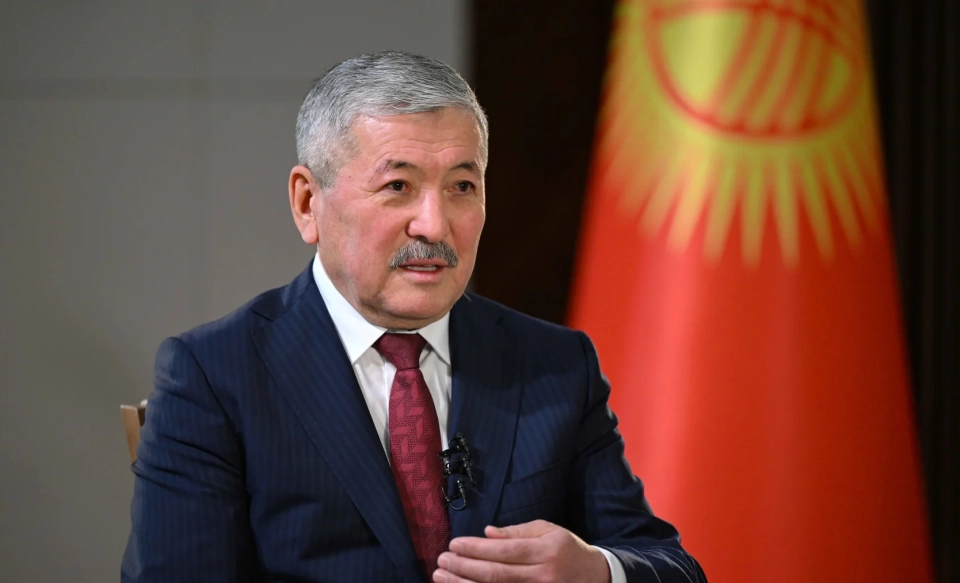
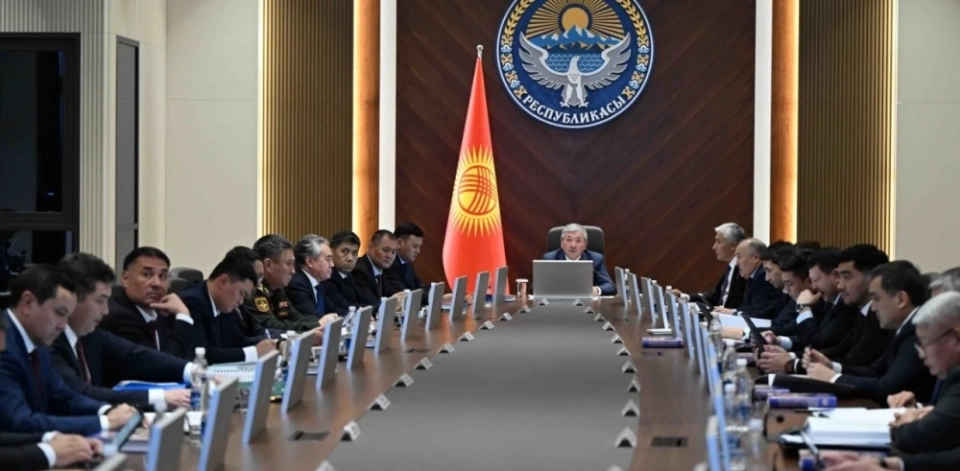
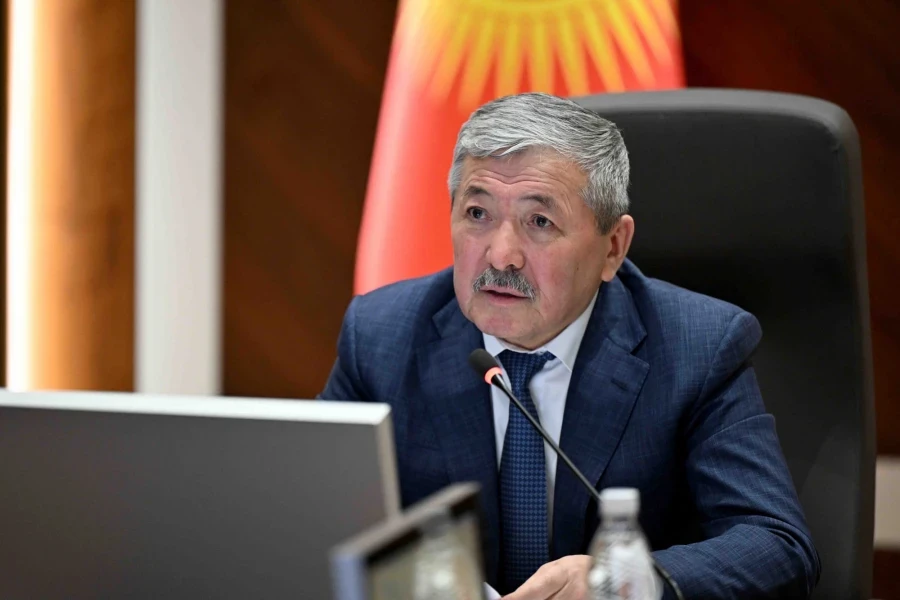
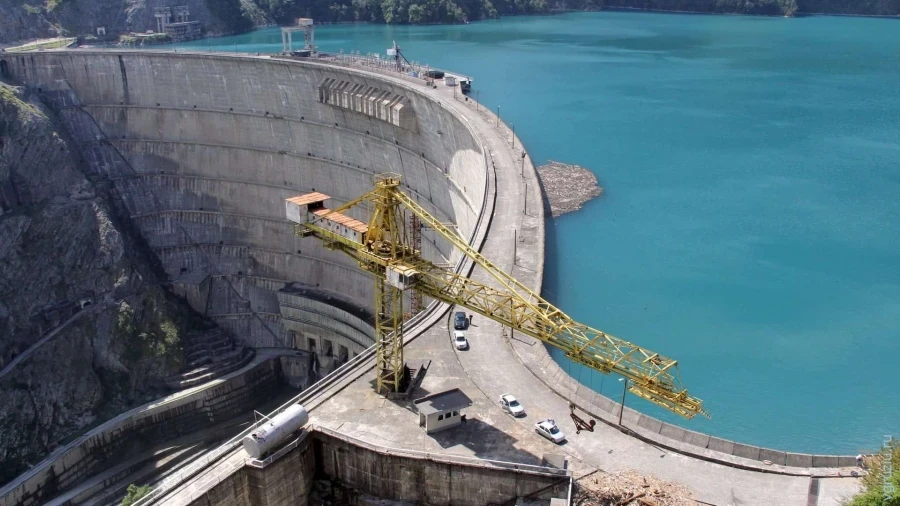
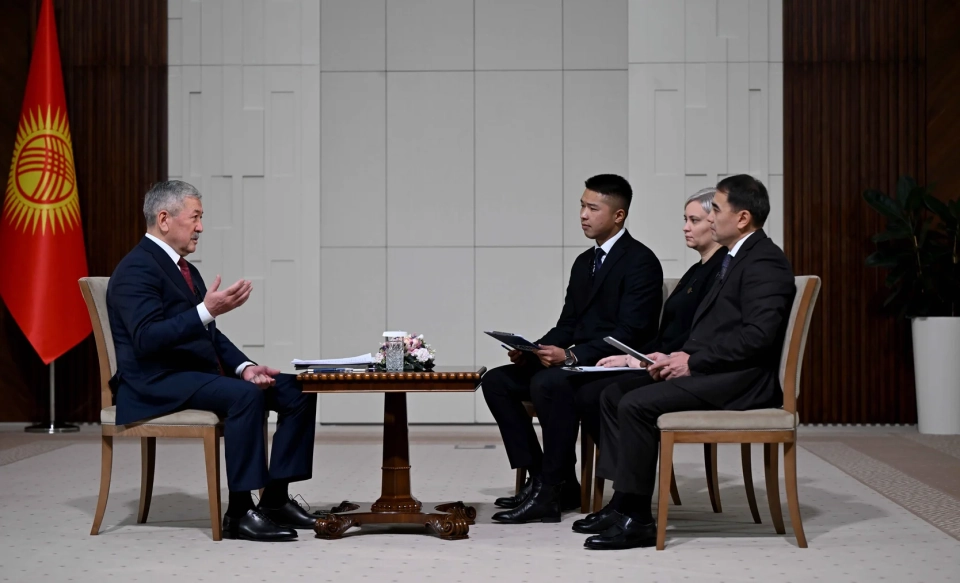
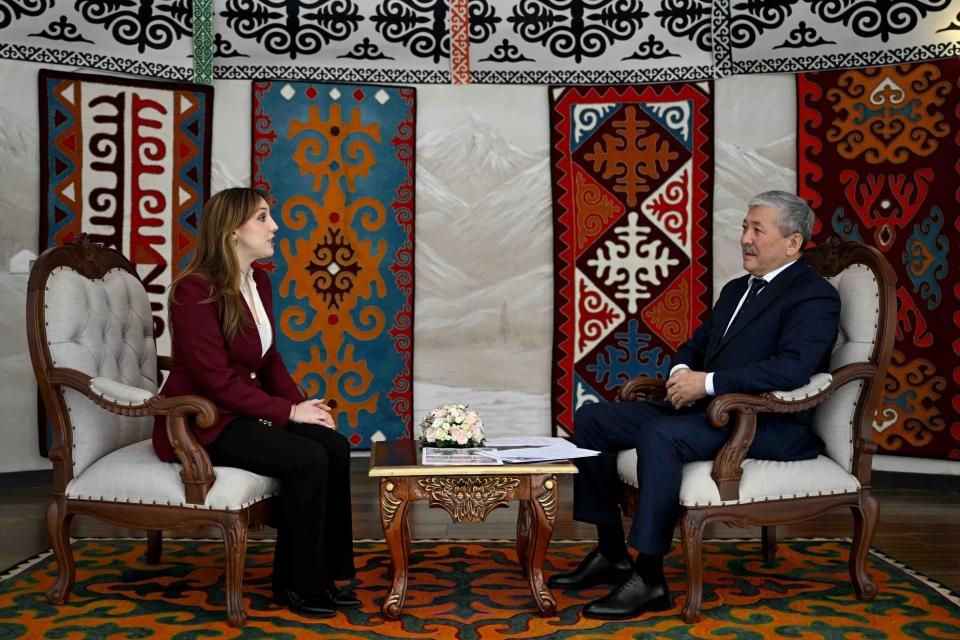
The head of the government emphasized that the country has significant hydropower potential, but currently utilizes only about 10% of it. This year, more than ten small hydropower plants have been put into operation, and plans for the future include the construction of large facilities, such as the "Kambar-Ata HPP-1." This project is important not only for Kyrgyzstan but also for neighboring countries, providing them with irrigation water.
"We are in the final stages of coordinating an intergovernmental agreement. I have reached out to my colleagues in Moscow to expedite the process, as water supply issues are becoming increasingly evident," he added, noting that the water levels in the Toktogul and Orto-Tokoy reservoirs continue to decline.
Kasymaliyev also emphasized that the state is focusing on the development of renewable energy sources, having signed more than ten investment agreements with a total capacity of over 5,000 MW.
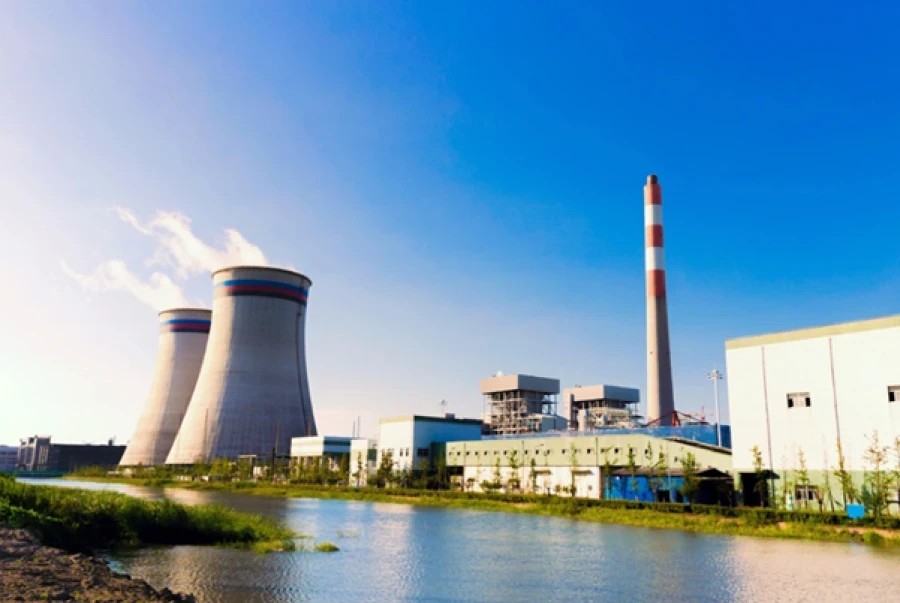
"The first solar power plant with a capacity of 120 MW will open in the Kemin district in December. However, it should be noted that solar power plants do not always produce electricity evenly throughout the day," he added.He also reminded that Kyrgyzstan's neighbors, Kazakhstan and Uzbekistan, have already begun constructing nuclear power plants. "At first, I was concerned about the safety of nuclear energy, but considering the development of technologies and the experience of our neighbors, I have concluded that modern technologies ensure 100% safety, including protection against natural disasters," Kasymaliyev noted.
In his opinion, Kyrgyzstan should consider the possibility of building a nuclear power plant, as such a facility is not dependent on climatic conditions and can consistently provide the country with electricity. "Nevertheless, this decision should be made after discussions with the people, and I hope for their support," he concluded.