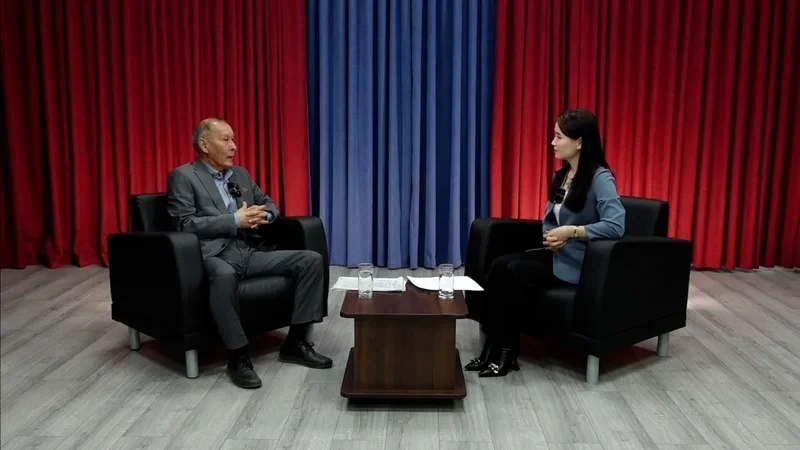
Deputy Azizbek Tursunbaev expressed the opinion that the current measures are not yielding the expected results. Although the implementation of public transport and gasification are positive steps, the smog issue remains unresolved, indicating the need to address the root causes.
The deputy also raised the question of whether the sources of pollution have been clearly identified and why there are no significant changes in the situation.
Minister of Natural Resources Meder Mashiev confirmed that the smog problem remains relevant, although there is a trend towards its reduction. Nevertheless, the issue is not fully resolved.
According to him, the main sources of smog include coal burning, vehicle emissions, and dust. These factors are currently a priority for the relevant agencies.
During the discussion, the deputy also brought up the topic of chaotic urban development and its negative impact on the ecological situation.
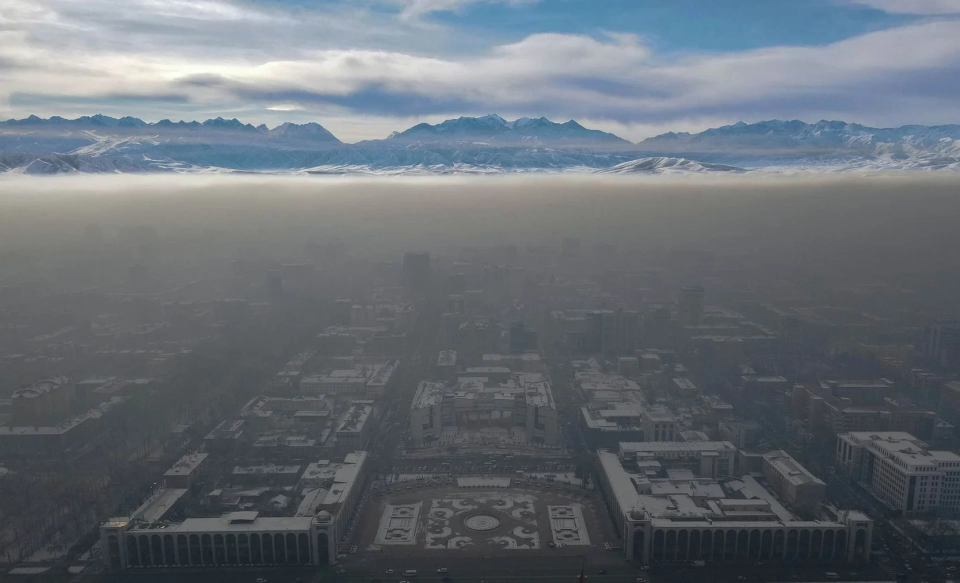
The minister agreed that construction carried out in previous years disrupted the "wind rose," which worsened the natural ventilation of the city. In developing the new master plan, the city hall and government agencies are trying to take into account the mistakes made earlier, but the already constructed buildings continue to have a negative impact.
The deputy reminded that in the past, Bishkek regularly experienced winds from the mountains that contributed to air purification. According to him, new buildings obstruct air flows, resulting in smog being trapped over the city.
The minister added that Bishkek has been experiencing temperature inversion for about ten years, which acts like a "lid," exacerbating the smog problem in the cold months.