In the interview, the minister also emphasizes the situation with Kumtor, mineral reserves, the carbon market, and the ministry's plans for the coming years.
Text of the interview:
- What steps is the Ministry of Natural Resources taking to update environmental legislation?
- One of our priority areas is the modernization and improvement of the regulatory framework. We are actively working on a number of key laws and legal acts. For example, in the past two years, a law limiting the use of plastic products was adopted, which came into force at the beginning of the year.
Last year, a law on waste recycling was also adopted, which involves the introduction of a recycling fee for 24 categories of goods. We have implemented the principle of extended producer responsibility by creating the eco-operator "Eco Operator," which is responsible for collecting recycling fees. By the end of the year, we collected about 60 million soms, which is just the beginning. These funds will be directed toward waste disposal.
We are currently developing a draft law on climate activities, which will serve as the basis for the carbon market. The Environmental Code is also in the process of being adapted for submission to the Jogorku Kenesh.
- Kyrgyzstan has updated its Nationally Determined Contribution (NDC) 3.0. What has changed compared to previous commitments?
- You are absolutely right, the NDC 3.0 reflects changes in our commitments. We plan to reduce greenhouse gas emissions by 18% by 2030 compared to the baseline level, and up to 30% with international support. The main goal remains carbon neutrality by 2050.
The main changes in NDC 3.0 relate to the adaptation plan, which has been adjusted to account for the frequency of natural disasters and climate change. This document will serve as the basis for all our climate actions and preparations for the UN Framework Convention on Climate Change.
- What measures is the ministry taking to save Issyk-Kul amid falling water levels?
- We have developed a concept for the development of the ecological and economic system of Issyk-Kul and will soon hold the first meeting with interested government agencies. Within the framework of this concept, we will develop an action plan for monitoring the state of the lake.
Although the shrinking is cyclical, we want to establish regulations for monitoring the hydrophysical and hydrochemical state of Issyk-Kul. We are collaborating with international institutions and conducting joint research to better understand the condition of the lake.
- How does the ministry plan to address waste recycling issues, especially plastics?
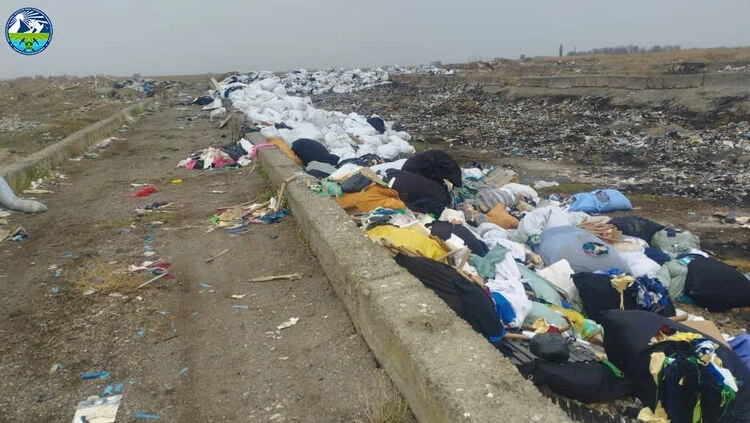
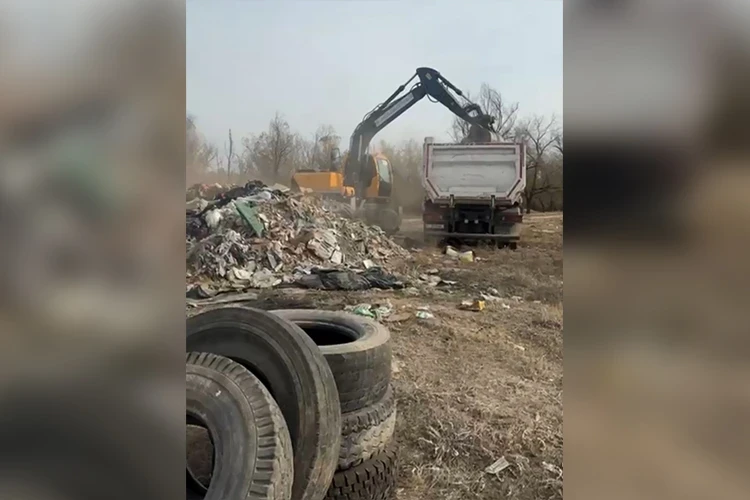
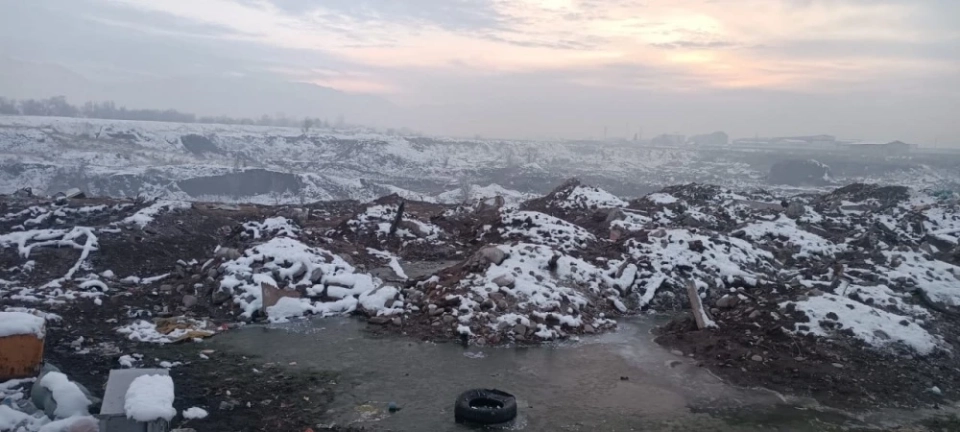
- Improving waste management is a priority for our ministry. We are working to reduce illegal dumps and improve infrastructure for disposal. This year, a waste incineration plant began operating in Bishkek, which is an important step in this area.
We also plan to rehabilitate existing landfills and improve the waste management system.
- What are the results of the ban on plastic bags? Has the law already come into effect?
- The law banning plastic bags is currently in effect, but its implementation faces certain difficulties. From 2027, it will apply nationwide, while currently, it is enforced in the Issyk-Kul region and in specially protected areas.
- What is the situation with wastewater treatment facilities in Issyk-Kul?
- Wastewater treatment facilities remain an important issue, as the population is growing, but their capacities are insufficient. We have organized an interagency group to monitor the condition of wastewater treatment facilities and plan to propose a concept for improving the system at the beginning of next year.
- What is being done to combat poaching in Issyk-Kul?
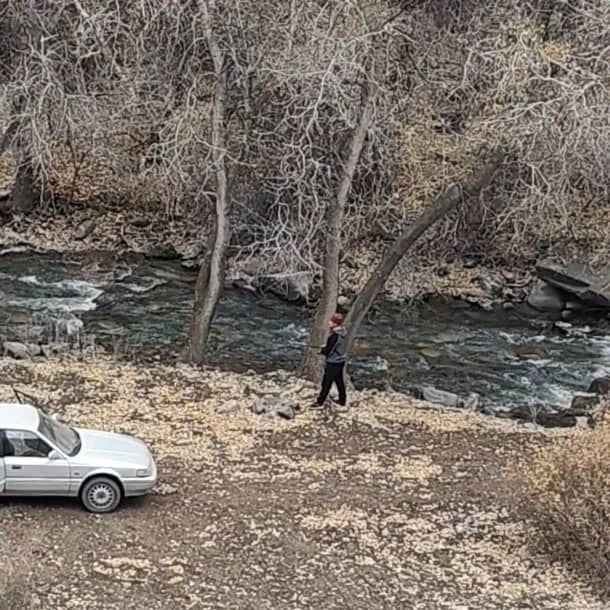
- The president pays special attention to this issue, and we continue to identify and remove poaching nets. This year, many activities have been carried out to combat poaching, and we continue this work.
- What are the ministry's plans to improve air quality in Bishkek?
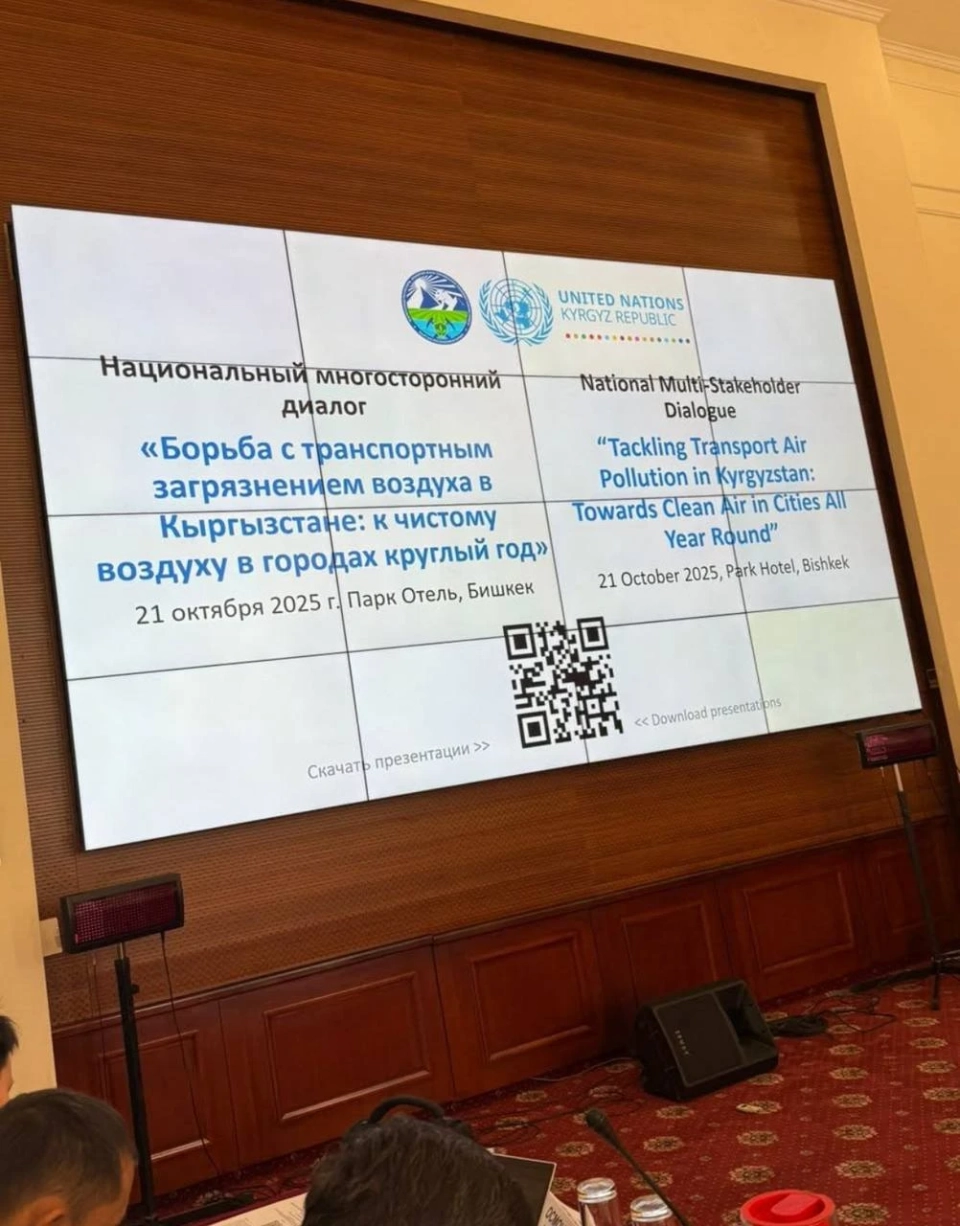
- We have an action plan approved by the Cabinet of Ministers, which includes a World Bank project for $50 million to combat smog. We also plan to conduct a follow-up air study as part of a new grant project.
- When will the Bishkek CHPP be fully converted to gas?
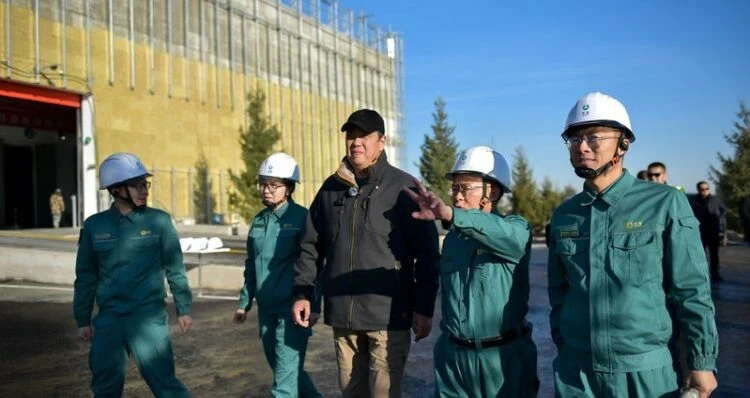
- The modernization of the CHPP is underway, and we expect to achieve the desired capacities by 2027. This requires additional efforts and investments.
- What measures are being taken to attract investment in the mining industry?
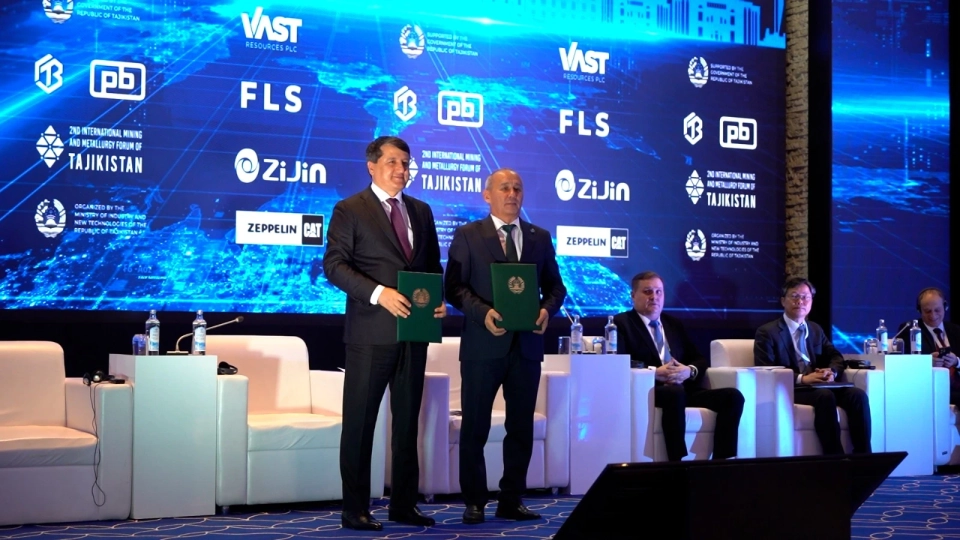
- We continue to work on attracting investors by offering them partnerships with state companies. We are negotiating with potential partners for the development of deposits and improving the investment climate.
- What are the reserves of gold and other minerals in the country?
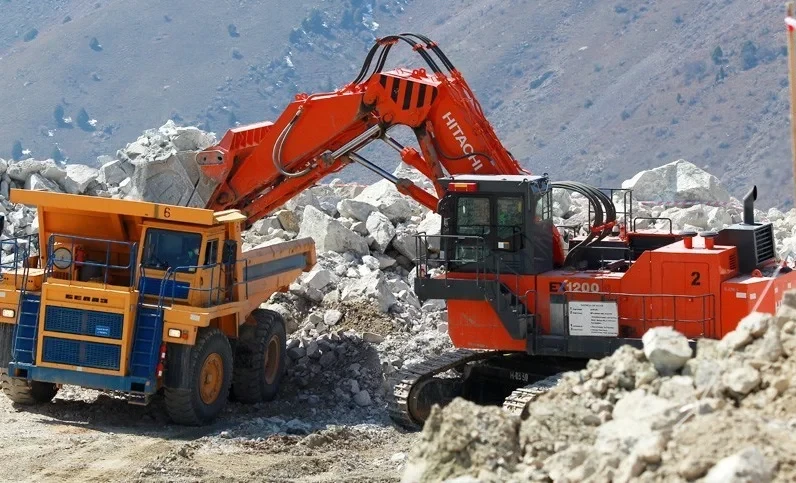
- Gold reserves in Kyrgyzstan are about 980 tons, and there are also significant reserves of silver, copper, and coal. We continue geological exploration to assess and increase reserves.
- What are the conditions for obtaining licenses for mineral development?
- Since 2021, there has been a moratorium on issuing licenses for gold, copper, and silver for private companies. We are focused on auctions for non-metallic minerals.
- What are the ministry's plans for the coming years?
- We are preparing for the Mining Summit in 2027 and plan to participate in various international events to discuss environmental and climate issues.
- What donor-funded projects are currently being implemented in Kyrgyzstan?
- We are actively attracting investments from international donors to implement projects in the field of ecology and sustainable development. This year, we approved a country program before the Green Climate Fund for $350 million.
Within various funds, such as the Global Environment Facility, we are implementing many projects aimed at adaptation and sustainable development.
Our task is to continue working on attracting investments and implementing projects that will help improve the environmental situation in the country.
- What measures are being taken to develop critical minerals in Kyrgyzstan?
- We have developed a strategy for the development of critical minerals, which will be approved at the beginning of next year. This is related to the growing global demand for these resources.
We are seeking investors for the development of deposits such as Kutesay and Andash, and we are also working to attract international companies interested in cooperation.
It is also worth noting that countries such as the USA and China are showing interest in our deposits, which opens up new prospects for cooperation.
- What are the ministry's plans to combat environmental pollution?
- We continue to work on improving air quality, waste management, and the protection of natural resources. Our goal is to create a sustainable ecological system that will ensure favorable conditions for the lives of future generations.