The deputy pointed out that a total of 22 million euros was allocated, of which 3 million euros were grant funds, 11 million euros were provided by the European Bank for Reconstruction and Development, and the remaining 8 million euros came from another donor.
Azygaliev also noted that investigative actions regarding this project are currently underway and inquired how much of the funds remained unused.
Bishkek Mayor Aibek Junushaliev confirmed that the investigation is ongoing. According to him, at the moment, 6.8 million euros remain for this project, and the city administration intends to allocate these funds for other city needs.
According to the mayor's information, Bishkek is facing problems in the public transport sector, traffic jams, and road congestion, so it is proposed to use the remaining funds to address these issues. He emphasized that if a proposal arises to redirect the money back to the waste sector, the city will oppose it and refuse such proposals.
Deputy Azygaliev also raised the issue of possible fines and credit obligations.
The mayor reported that Bishkek continues to repay the loan for this project until 2028, with annual payments amounting to 142 million soms, of which 118 million soms go to the sorting enterprise, and 24 million soms to "Tazalyk." He noted that the city has not achieved the expected results, but obligations continue to be fulfilled.
Junushaliev also reminded that the issue of the 22 million euros was raised back in 2022 during the president's visit to the landfill. Law enforcement agencies were instructed to conduct an investigation into the expenditure of these funds.
According to him, out of the allocated 16 million euros, only one small building costing 900 thousand euros was constructed, and currently, 6 million 280 thousand euros remain. However, the city administration did not use these funds as it did not know what purposes to allocate them for.
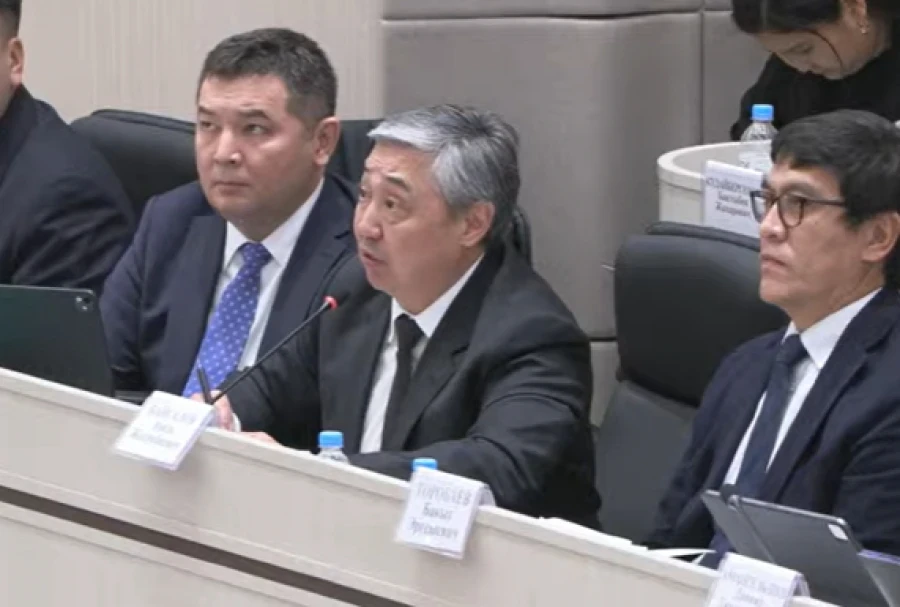
The issue of financing the waste processing plant in Bishkek was raised by the deputy at the meeting