The film is the result of collaboration between journalists from two countries, created by Munara Borombaev from Bishkek and Madina Ashilova from Almaty. The directing duo consisted of Borombaev and Ashilova, while the editors were Anarkhan Altymyshova (Kyrgyzstan) and Kalimash Begalieva (Kazakhstan).
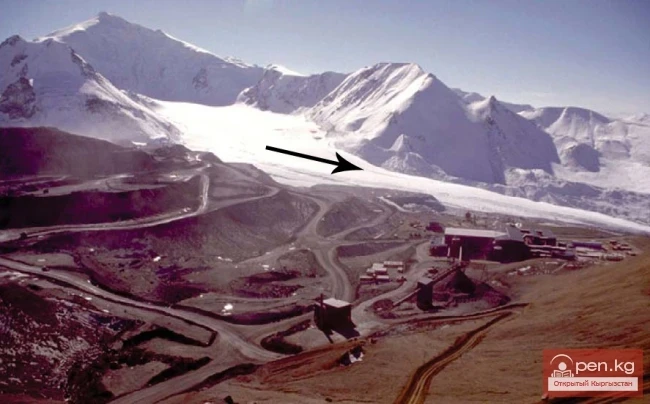
The main theme of the film addresses the common ecological challenges facing Kyrgyzstan and Kazakhstan. It represents a deep journalistic investigation into one of the most pressing issues in Central Asia — the rapid melting of glaciers and its consequences for millions of people.
The film highlights not only scientific data but also real human stories:
the voices of science — glaciologists who have been observing and documenting the acceleration of glacier melting for many years;
- the voices of defenders — emergency response specialists who work daily to reduce the risk of mudslides for large cities;
- the voices of the affected — residents of Almaty who experienced a devastating mudslide in 2015, as well as climate migrants from Kyrgyzstan forced to leave their homes due to drought;
- the voices of experts and activists — leading ecologists from Kazakhstan and Kyrgyzstan analyzing the causes of what is happening, debunking myths, and proposing ways for adaptation and cooperation in the region.
The film illustrates how a transboundary environmental issue affects water and food security, social stability, gender equality, and the human right to a healthy environment.
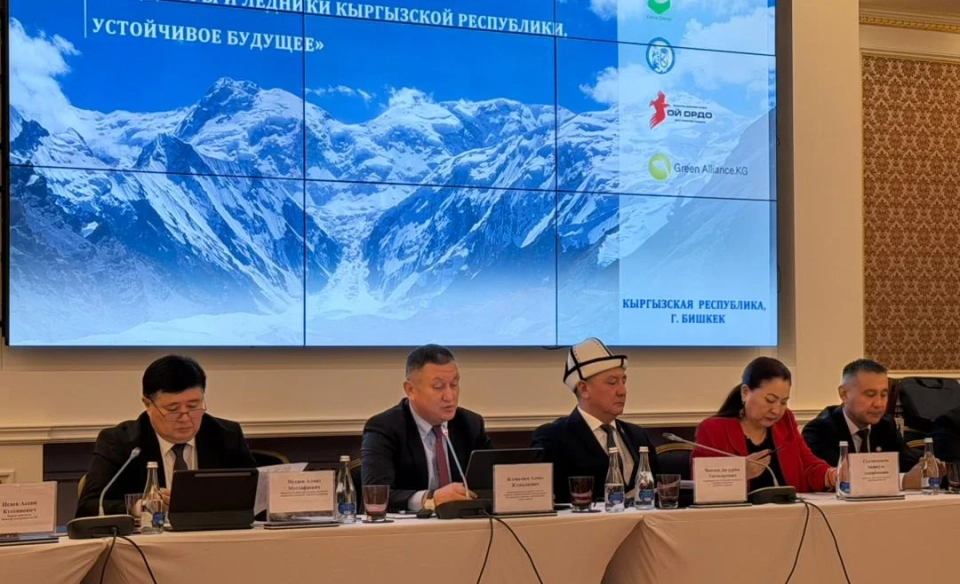
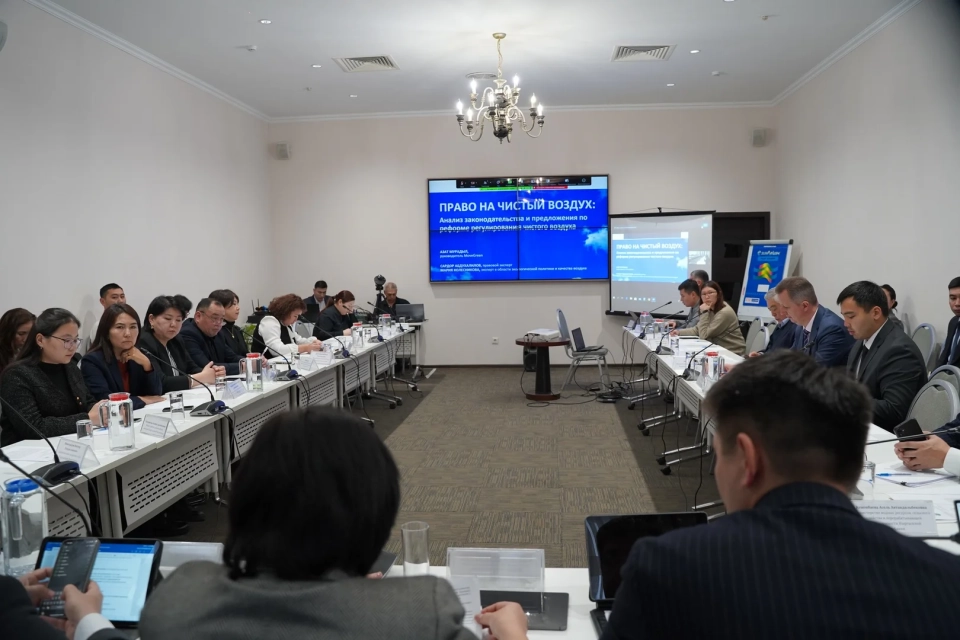
The film's premiere served as a platform for discussion. The organizers aim to draw the attention of diplomats, international organizations, government structures, and civil society to the climate challenges of the region and the need for joint actions aligned with the UN Sustainable Development Goals.
Munara Borombaev, the film's author, noted: "We tried to convey the idea that glacier melting is not a distant threat, but a reality that the region is facing right now. Our film traces the connection between the reduction of glaciers, emerging emergencies, climate migration, and drought. We also discuss not only the problems but also possible solutions and mechanisms for adapting to climate change."