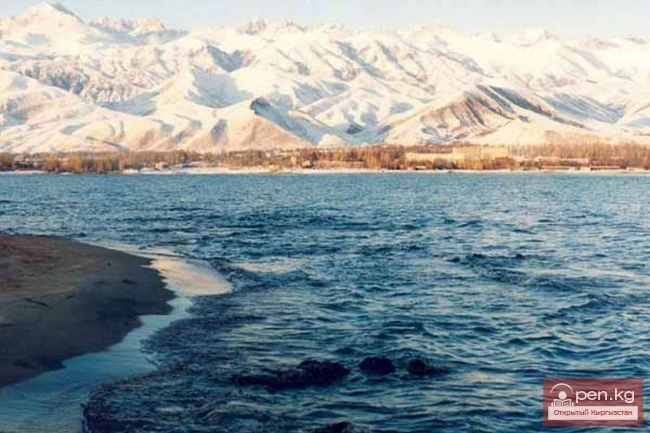
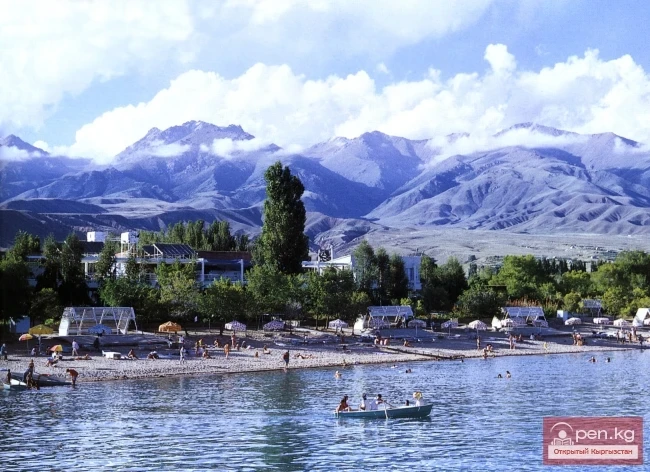
Kyrgyzstan, being one of the most vulnerable countries to climate change in Central Asia, faces challenges such as rapid glacier melting and ecosystem degradation. This leads to water shortages and increased risks of natural disasters.
The country has signed the UN Framework Convention on Climate Change and the Paris Agreement, and President Sadyr Japarov identified climate change as one of the main contemporary threats at the 79th session of the UN General Assembly in 2024.
The program aims to create a climate education system that covers all age groups, from children to the elderly. The main task is to equip citizens with the necessary knowledge and skills to adapt to climate change and participate in the sustainable development of the country.
The program's priority areas include:
- integrating climate topics into formal and informal education;
- training government and municipal officials;
- raising public awareness;
- developing scientific and methodological potential.
The program also assumes a gender-sensitive approach and active involvement of youth in decision-making processes related to climate change resilience. The implementation of the program will be supported by the Ministry of Education, the Ministry of Science, Higher Education and Innovations, the Ministry of Natural Resources, as well as local authorities and international partners.
Climate Education and Awareness Development Program for 2025–2030
Appendix 1
Introduction
The Kyrgyz Republic, possessing significant freshwater resources and unique biodiversity, is among the priority ecological regions of the planet but remains one of the most vulnerable countries in Central Asia to the impacts of climate change. According to UNDP (2023), the mountain ecosystems of Kyrgyzstan play a systemic role, providing vital resources for the country's population.
Since 1960, the average annual temperature in the country has increased by 1.2 °C, which is almost twice the global average rate. This change is accompanied by an increase in extreme weather events and degradation of natural resources, posing a threat to food and water security.
The Kyrgyz Republic actively participates in international climate policy, having ratified key agreements, including the Paris Agreement. The country's president raised the issue of climate challenges at the UN General Assembly in 2024, emphasizing their significance for the future of the planet.
The program aims to equip citizens with the knowledge and skills necessary to adapt to climate changes and actively participate in the sustainable development of the country. The focus is on integrating climate topics into educational programs at all levels.
Key areas of the program include:
- integration of climate issues into educational standards;
- training and professional development of civil servants;
- informing the public about climate risks;
- developing scientific potential in the field of climate education.
The program also includes gender-sensitive approaches and engages youth in decision-making processes regarding climate change resilience.
Key state bodies, including the Ministry of Education and the Ministry of Natural Resources, as well as local authorities and international partners, will be involved in the implementation of the program.