– You have been overseeing the country's mountain agenda for more than two years. In the media and reports, different data is often encountered: some say 90%, others — 95%. What part of our territory is officially considered mountainous?
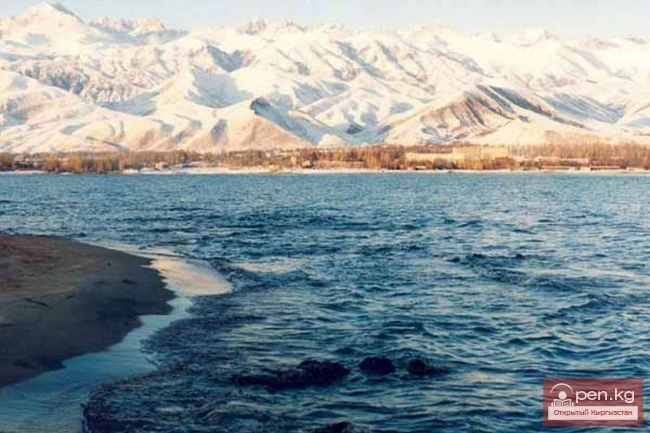
– Indeed, the data varies. To clarify the situation, we initiated a comprehensive survey and mapping of the mountainous regions of Kyrgyzstan. This study allows us to see the real picture: the amount of forests and pastures in mountainous areas, residents of remote villages' access to electricity, clean water, and the internet, as well as to identify zones at risk of emergencies. Each government body maintains its own statistics, but now we have a common, up-to-date picture. According to the state agency of the KR "Goskartografiya," mountainous territories occupy almost 93% of the country's area. Research continues with the participation of the Working Group under the auspices of NISI.
– Thus, almost the entire territory of Kyrgyzstan is mountainous. How does this impact on a global level?
– Kyrgyzstan confidently occupies a leading position in promoting the mountain agenda on the international stage. This has been made possible by our country's consistent actions under the leadership of President Sadyr Japarov within the framework of the UN, aimed at expanding the global agenda for sustainable mountain development.
A key achievement of our work has been the declaration by the UN of the years 2023–2027 as the "Decade of Action for Mountain Region Development."
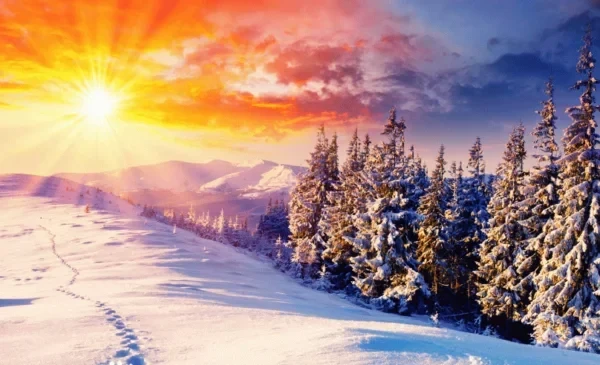
Since the early 2000s, we have actively drawn the world's attention to the issues facing mountain regions. This is extremely important. On one hand, residents of mountain communities are in a vulnerable position due to geographical isolation and are affected by the consequences of climate change, which we have already experienced many times. On the other hand, our mountains serve as "water towers" and unique ecosystems for the entire region, providing the world with clean water, environmentally friendly products, and preserving biodiversity.
Therefore, we are joining efforts with other partner countries to make the "voice of the mountains" louder. In 2019, we initiated the creation of the Group of Friends of Mountain Countries, which now includes 31 states.
Since 2002, the Mountain Partnership has been actively functioning, comprising 687 members, including 74 states. Kyrgyzstan is currently a member of the Steering Committee of the Mountain Partnership.
At the initiative of Kyrgyzstan and Andorra, a specialized negotiating Mountain Group has been established within the framework of the UN Framework Convention on Climate Change (UNFCCC) to represent the interests of mountainous territories. Currently, it includes 11 countries, and Kyrgyzstan holds the chairmanship.
– The President of Kyrgyzstan is actively involved in global climate processes and the work of COP. What major changes have occurred in this area, and what do they bring to Kyrgyzstan?
We are consistently working within the framework of the UNFCCC and the Paris Agreement, promoting the protection of mountain ecosystems and glaciers. Our President has repeatedly stated this at international forums.
At COP29 in Baku, Kyrgyzstan, in collaboration with partners, organized the first international High-Level Dialogue on Mountains and Climate Change, where President S.N. Japarov participated, along with heads of state and representatives of mountain countries and international organizations.
Kyrgyzstan also presented a Declaration on Climate Change, Mountains, and Glaciers, calling for immediate and coordinated actions to preserve these critically important natural systems, which was supported by 21 states. Now our delegation is known on the international stage as active advocates for the mountain agenda.
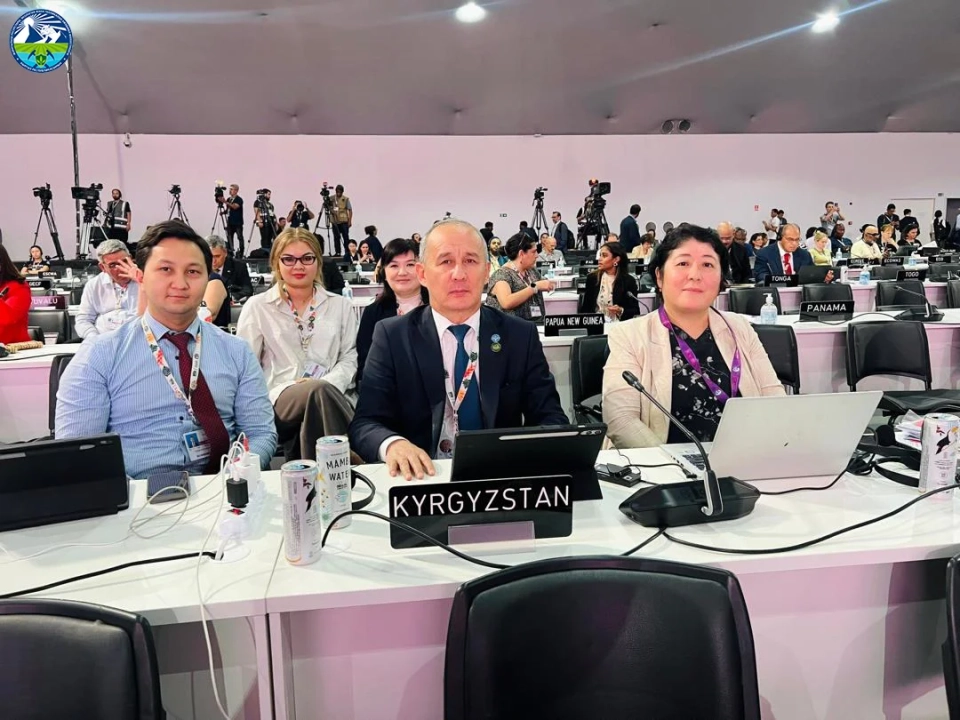
At COP30 in Belém (Brazil), where over 56,000 delegates from 195 countries gathered, the Kyrgyz delegation actively participated in negotiations, promoting the mountain agenda and emphasizing the need to consider the specificities of mountainous regions in the decisions of the COP — from adaptation measures to financial support for vulnerable countries.
My participation was aimed at fulfilling the instructions of the President of the Kyrgyz Republic, promoting the mountain agenda and integrating the interests of mountain countries into the draft decisions of the Conference of the Parties. Special attention was paid to reflecting the specifics of mountainous regions in adaptation issues, supporting vulnerable states, and implementing scientifically-based approaches in official climate processes.
As a result of the Conference, significant agreements were reached: a Just Transition Mechanism was established, and a commitment was made to mobilize at least $1.3 trillion annually by 2035 to combat climate change.
A high-level political document titled "Global Mutirão – Collective Efforts" was also adopted, which approved a two-year work program on climate financing and paved the way for the implementation of the "Roadmap from Baku to Belém," which also highlighted the vulnerability of mountain ecosystems.
What is particularly important: at the initiative of Kyrgyzstan and as a result of multilateral consultations on mountains and climate conducted under the auspices of the Brazilian presidency, a separate Decision "Mountain Areas and Climate Change" was adopted. It mandates the bodies of the UNFCCC to hold an international dialogue dedicated to mountain areas and climate in Bonn in June 2026.
Additionally, at the initiative of Kyrgyzstan, the first expert Dialogue took place in Bonn at COP-28 in 2024. These are steps towards making such dialogues annual and systematic events for discussing the issues of mountain residents and protecting mountain ecosystems in the context of climate change, seeking solutions, and ensuring access to climate financing for mountain communities.
– Kyrgyzstan participated in this conference as part of a coalition, correct?
– Yes, that's correct. We worked as the Chair of the Mountain Group with delegations from the countries in our group, as well as in close collaboration with Bhutan and Nepal. This "mountain trio" allowed us to more effectively defend our common interests. The culmination of the negotiations was the decision to hold an expert dialogue on mountains in Bonn in June 2026, which I mentioned earlier.
Additionally, Kyrgyzstan is promoting two important strategic initiatives:
The Mountain Countries Development Fund: we continue to work on the concept of a financial mechanism that will support mountain ecosystems.
The establishment of a Global Center for Mountain Resilience in Bishkek, which will facilitate knowledge acquisition, technical assistance, and support for projects in adaptation, mitigation, as well as reducing losses and damages in mountain regions, with a focus on water resources, the cryosphere, biodiversity, renewable energy, and climate-resilient livelihoods.
– What is happening within the country? How is Bishkek becoming a significant platform for the global community?
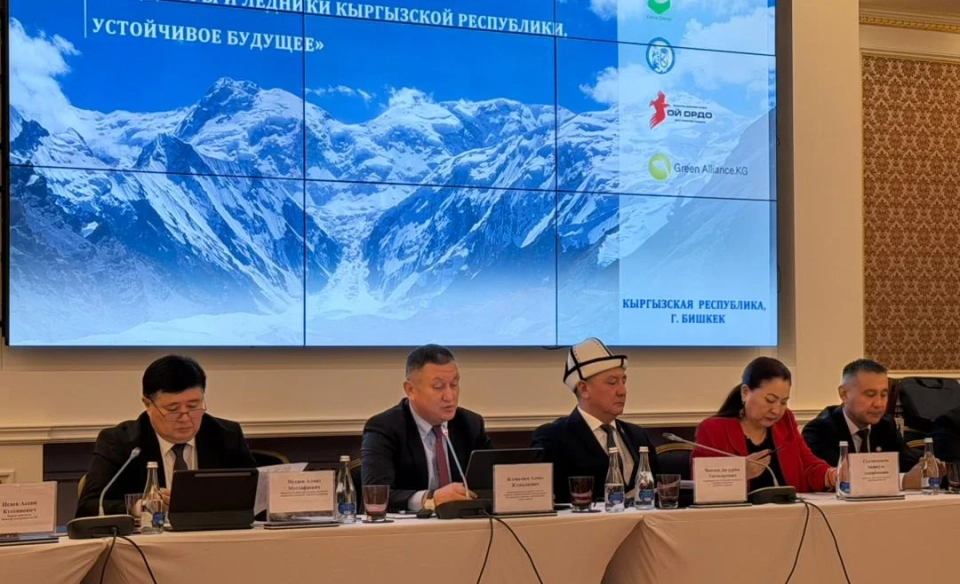
– Bishkek is indeed becoming a "hub" for international mountain dialogue. In April of last year, we organized the "Global Mountain Dialogue," which gathered 420 participants from over 50 countries and 29 international organizations. This event became an important global platform for discussing the complex challenges and opportunities of mountain territories and preparing for our main event — the Second Global Mountain Summit "Bishkek+25," scheduled for October 21-23, 2027.
At the conference, issues concerning glacier melting, disaster risk reduction, pasture degradation, the role of women in resource management, scientific cooperation, and mountain economics were discussed. We strive for the Decade of Action to end not just with a report, but with real changes in the lives of people living in the mountains.
– How is life for people in mountainous regions? You mentioned their vulnerability. What is the situation at the national level?
– At the local level, we regularly interact with local communities, which allows us to monitor the situation and identify the needs of residents in mountainous areas. At the national level, in addition to the global Decade of Action, a Roadmap for the Decade of Action for the Development of Mountain Regions for 2023-2027 has been adopted.
Last year, changes were made to the Roadmap aimed at improving the lives of mountain residents, based on requests received during meetings in mountain regions. New items were added concerning improving healthcare, access to energy resources, water supply and sanitation, digitalization, road modernization, education, poverty alleviation, the creation and development of geoparks, support for cultural tourism and heritage sites, as well as comprehensive surveys of mountain territories.
Last year, we completed a series of round tables in the regions, visiting the Chui region and the southern regions of the country, where we discussed priorities such as climate change adaptation, unlocking the potential of mountain areas, tourism development, organic farming, sustainable pasture management, and the implementation of "green" technologies. We also discussed the implementation of the Roadmap with local authorities.
– The Roadmap has been in effect since 2023. What achievements do you consider the most significant?
– During this time, the government has consistently worked to improve living conditions in mountainous regions. Many remember the remote village of Zardaly, which was visited by President S.N. Japarov, who gave instructions to provide the village with electricity and to construct a road. Similar work is being carried out in other mountain settlements across the country in accordance with the Roadmap.
Eight small hydropower plants have been commissioned, roads are being modernized, airports are being built in the regions, and access to emergency medical care, diagnostics, and disease prevention is improving.
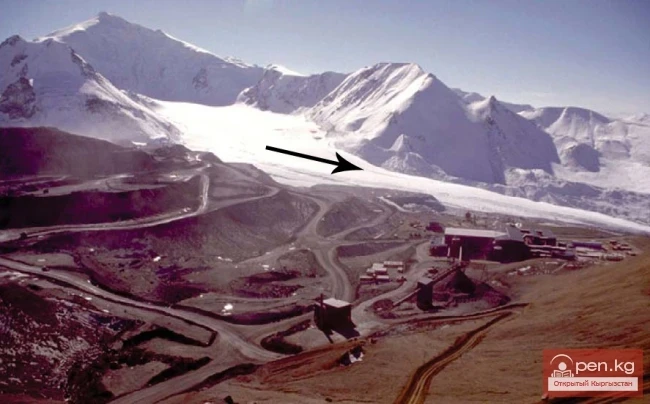
Efforts are being made to increase forest planting areas, strengthen riverbanks, and rehabilitate lands affected by uranium mining, among many other activities.
At the same time, we are paying special attention to increasing the well-being of mountain communities by creating additional sources of income. One of the new directions is the branding of mountain products. Our mountains have unique resources that can become the basis for household resilience: wild plants, medicinal herbs, tea herbs, berries, mushrooms. Our task is to assist local residents through training, production support, and promoting these products to the market.
The implementation of the project by the government of Italy and FAO "Business Incubator and Accelerator for Mountain and Island Regions," aimed at enhancing the resilience of mountain and island communities by supporting innovative entrepreneurship in agricultural and textile value chains through grants, technical assistance, and capacity development, will soon begin. We will soon announce the launch of the project for representatives of our mountain communities to participate.