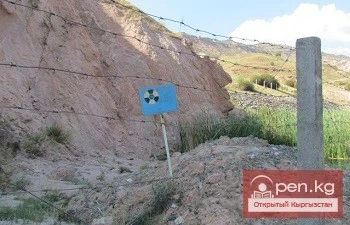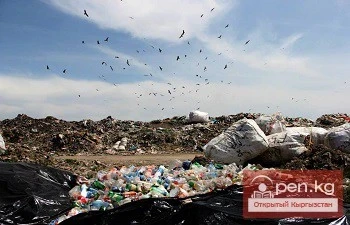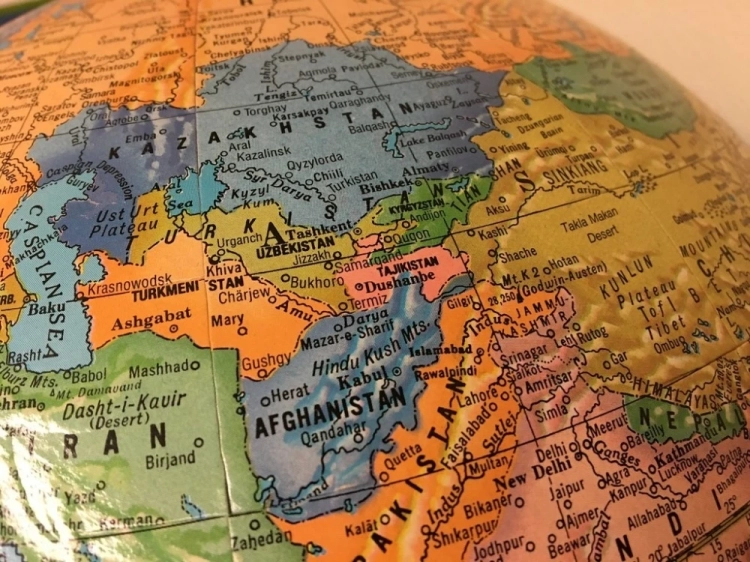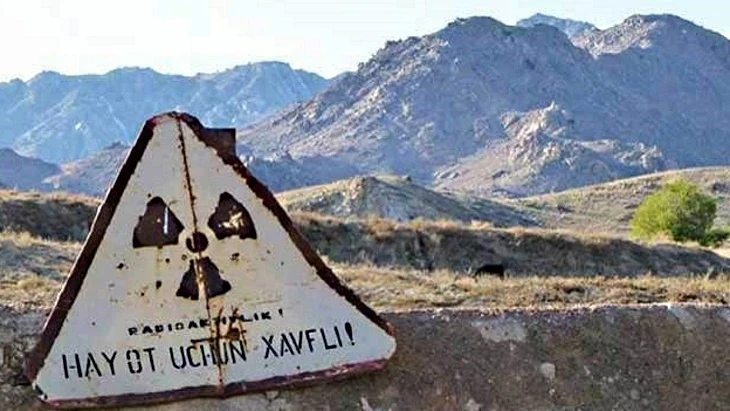
For over half a century, Central Asia has been a key source of uranium for the Soviet Union. Here, not only was ore mined, but raw materials from other countries were also processed. As a result, significant volumes of radioactive waste were generated, which are stored in dumps and tailings. By 1995, most mines had ceased operations, but reclamation efforts remained at a low level. This remaining legacy poses a serious threat to human health and the ecosystem; in particular, there is a risk of contamination of groundwater and surface water in important agricultural areas of the region.
Since 2012, the IAEA Coordination Group on Uranium Legacy (CGUL) has been assisting Central Asia by providing practical recommendations, conducting expert missions, and supporting the development of regulatory frameworks. In 2017, with the participation of the IAEA, the European Commission, the EBRD, and the governments of the region, the first strategic plan was adopted, identifying seven key sites for rehabilitation: Mailuu-Suu, Min-Kush, and Shekaftar in Kyrgyzstan; Degmay and Istiklol in Tajikistan; and Charkesar and Yangiyabad in Uzbekistan. The estimated cost of this work was around 85 million euros.
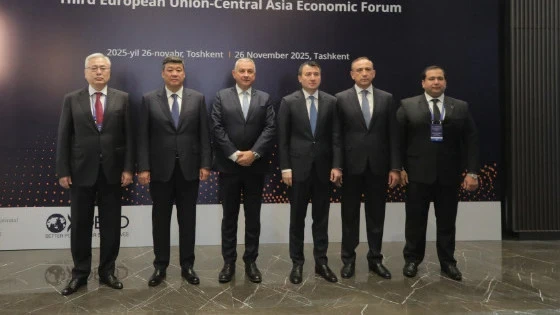
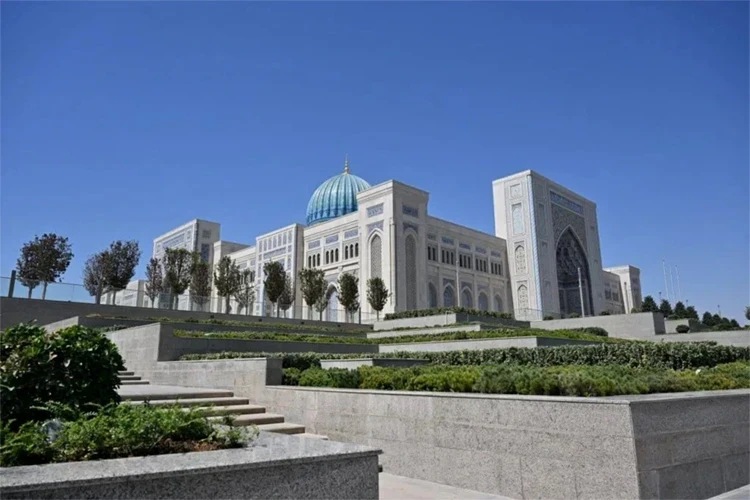
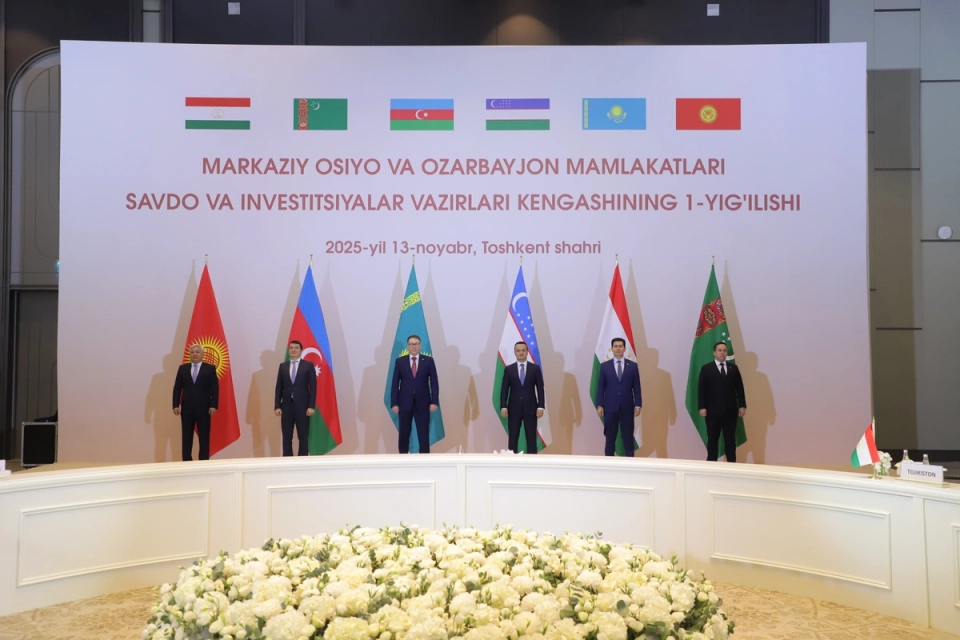
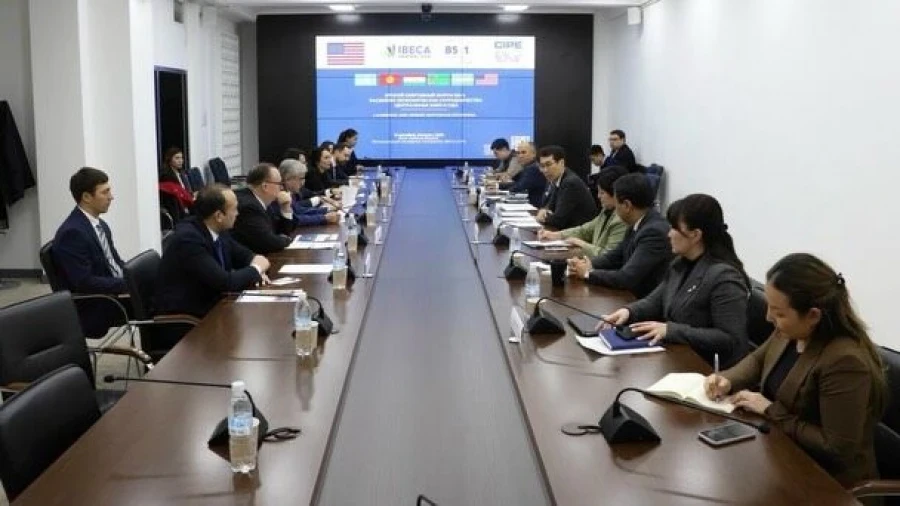
Recently, an updated plan was presented in Tashkent, which emphasizes long-term management of the rehabilitated areas. It includes monitoring, maintenance, and ongoing engagement with stakeholders for the safe and effective use of the reclaimed lands. "This new plan, continuing our cooperation since 2017, focuses on strengthening regulatory, technical, and financial resources for managing rehabilitated sites in accordance with IAEA safety standards," noted Hildegard Vandenhove, Director of the IAEA Division of Radiation, Transport, and Waste Safety.
The agency emphasizes that "the main goal of the SGPP is to demonstrate to the international community a collaborative approach to the rehabilitation of uranium legacy sites in Central Asia by gathering information on current projects and necessary actions." This approach helps avoid duplication of efforts and clearly demonstrates progress, while also drawing attention to the funding shortfall that requires further international cooperation. According to the new plan, the total cost of the rehabilitation program is 113 million euros, including costs for project execution and management.
Since 2017, significant progress has been made: four out of the seven key sites have been fully rehabilitated—two each in Kyrgyzstan and Uzbekistan—allowing local residents to safely use these lands. Work continues on the fifth site in Kyrgyzstan, which is one of the largest and most complex, and rehabilitation is expected to be completed by 2032. In Tajikistan, one site has been partially restored, while work has not yet begun on another.
The updated plan also includes lower-priority sites that pose lesser risks but also require rehabilitation. The Russian Federation has already approved targeted funding: "21.4 million euros for the rehabilitation of Kadji-Say, Tuya-Muyun, and Kyzyl-Jar under a bilateral agreement with the Kyrgyz Republic and 15.6 million euros for the rehabilitation of Adrasman and enrichment plant No. 3 in the Taboshar district under an agreement with the Republic of Tajikistan."
"I am confident that the work of the IAEA Coordination Group on Uranium Legacy is a vivid example of how the joint efforts of the international community, united by a common goal—protecting people and the environment—can lead to tangible and lasting results," noted Sardorbek Yakubekov, Deputy Chairman of the Committee on Industrial, Radiation, and Nuclear Safety of Uzbekistan, at the signing ceremony.
Source: miratoma.ru