According to Zhaimbetov, legal manufacturers and official distributors are facing a growing shadow market, which negatively impacts the economy. “This is not just a violation of the law, but a serious threat to fair competition and public health. According to the Ministry of Justice, the volume of seized counterfeit products in 2025 increased tenfold compared to the previous year; however, this is just the tip of the iceberg,” the deputy reported.
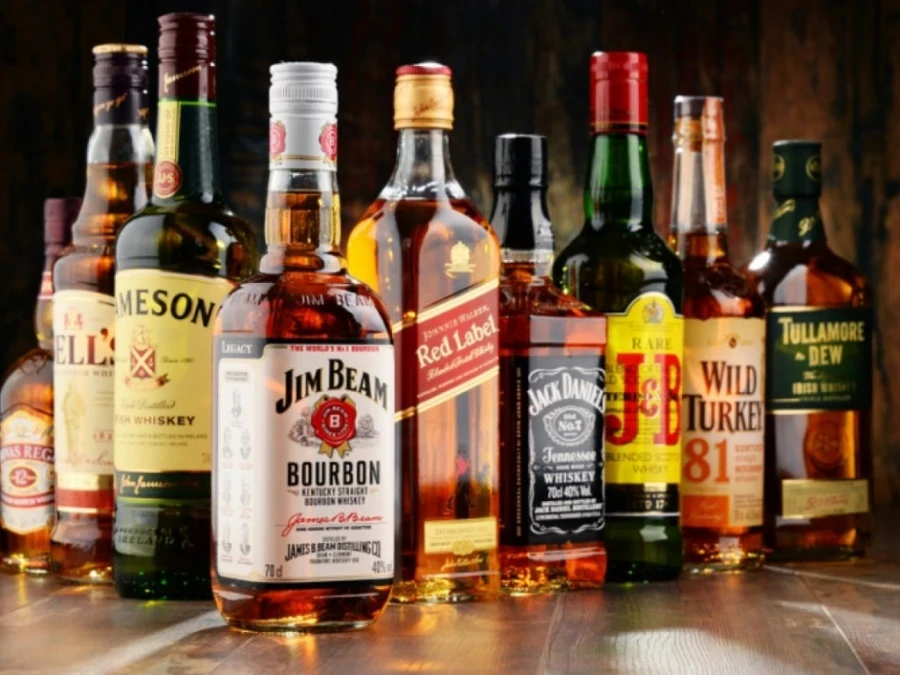
He also provided examples: cases of counterfeit Colgate-Palmolive toothpaste and Bonduelle canned vegetables were identified in the country, the packaging of which did not meet established standards. In addition, there have been instances of the sale of construction materials, alcohol, and dry yeast without the necessary documents and labeling.
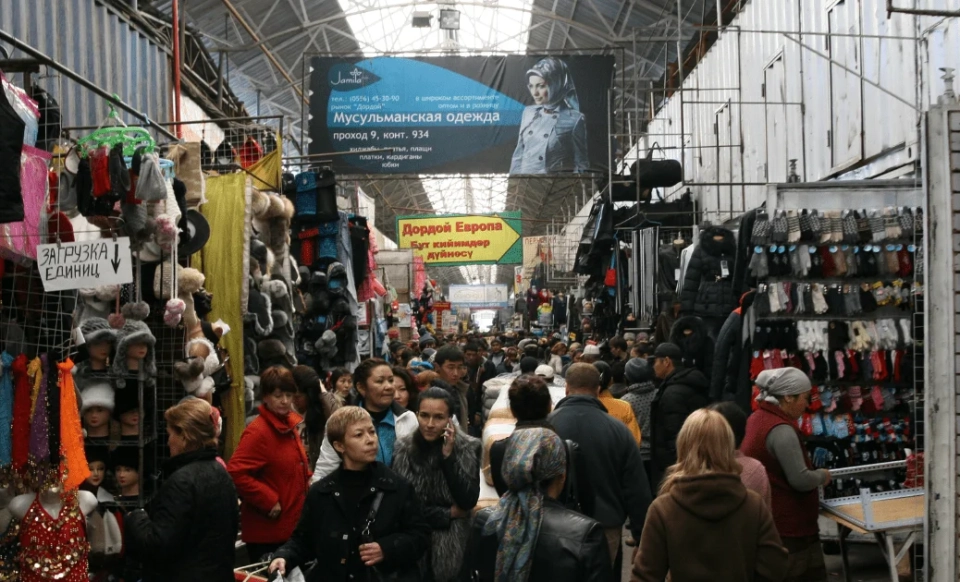
Many of these goods are imported through gray schemes, bypassing customs and tax checks.
In light of the above, the deputy proposed a number of measures:
- to conduct a comprehensive analysis of the volumes of counterfeit and illegally imported products over the past five years at the state and departmental levels, as well as to create a unified database by categories and sales channels;
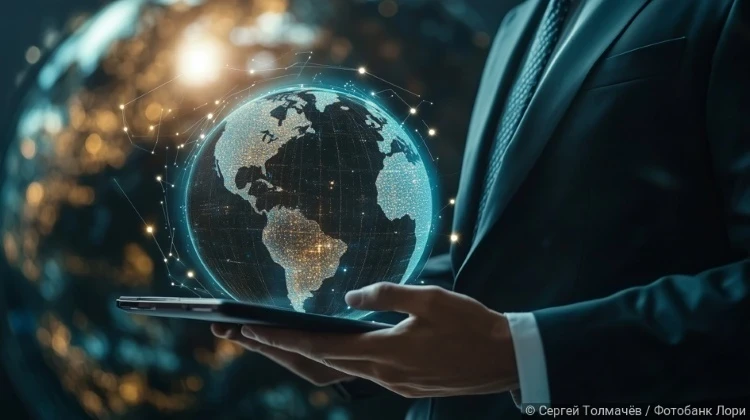
- to develop a state digital platform and mobile application based on international experience that allows verifying the authenticity of goods using a unique code;
- to explore the possibility of selling certain categories of goods only through official distributors with valid contracts from manufacturers;
- to propose serious measures to tighten criminal and financial liability for the production, import, and sale of counterfeit products.