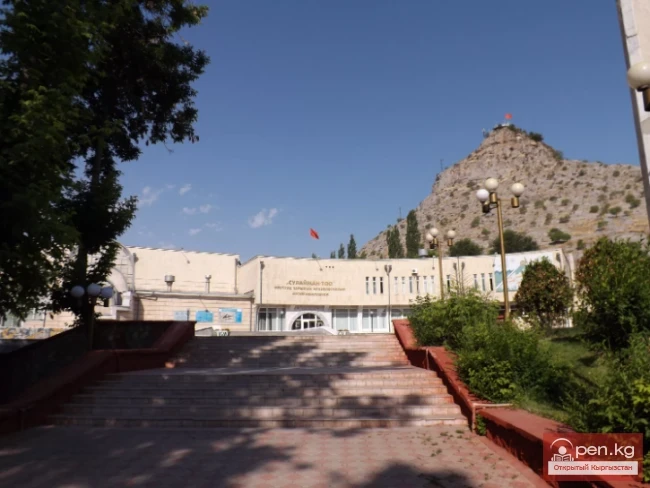
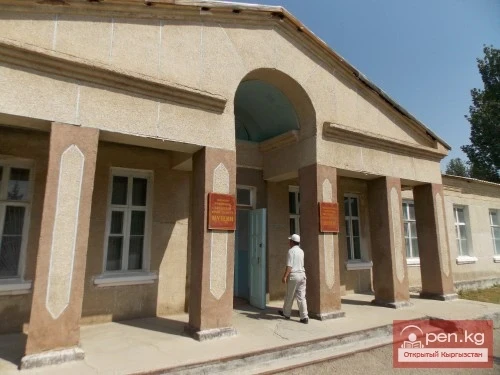
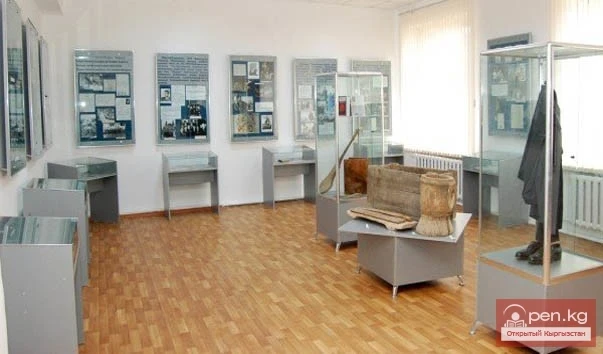
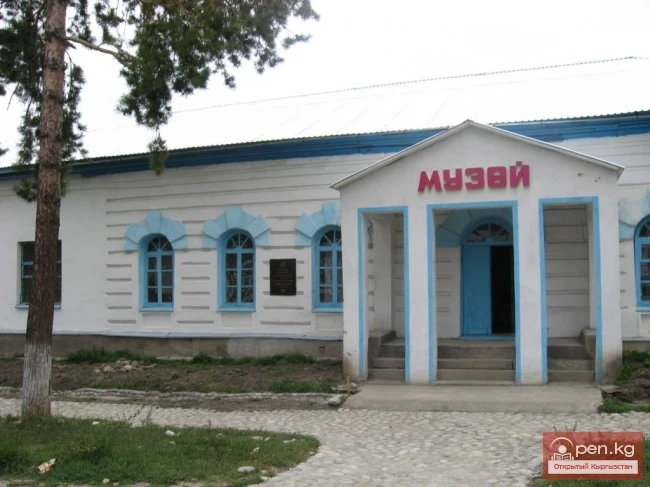
The idea of creating the museum belongs to local historian Saidakbar Abdyganiev, who for a long time collected valuable artifacts and stored them in metal containers. Over time, he decided to open a museum to preserve these historical items for future generations.
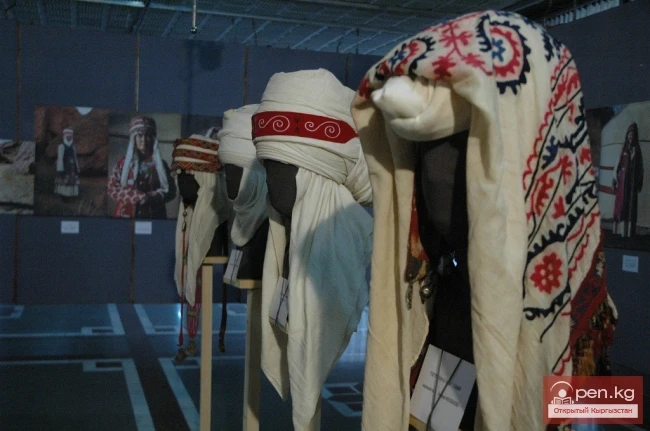
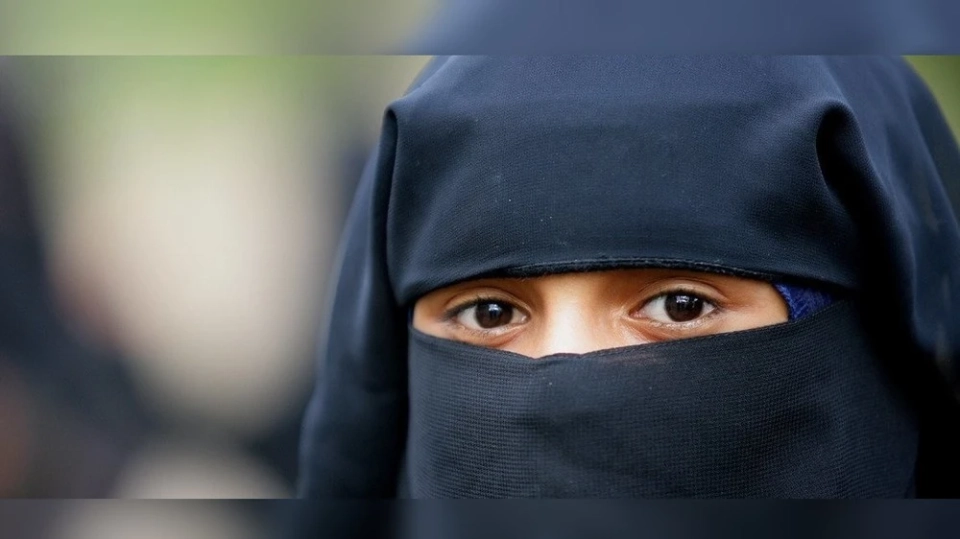
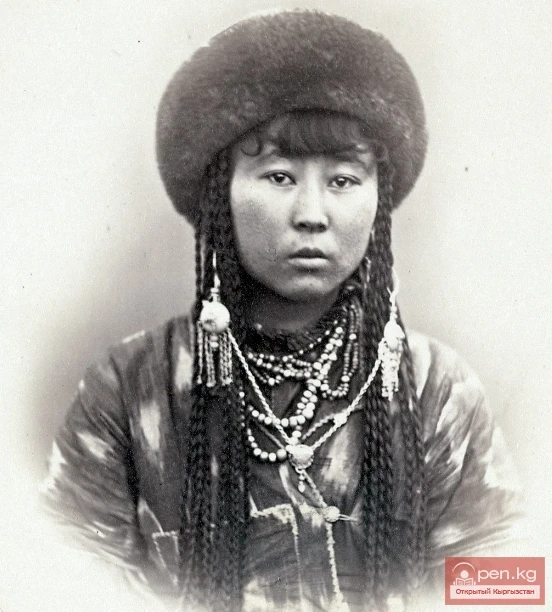
One of the most outstanding exhibits is a women's headdress known as "chym bet." This accessory is not only part of the traditional wedding attire but also an important cultural symbol. It is also referred to as "kep chach," "chach kep," or "bash kep." It completely covers the head, concealing the forehead, crown, and wrapping around the neck, hiding the braided hair at the back. The headdress has a distinctive element—a tail that masks the styled hair. Additionally, it is adorned with cords and beads, which adds special value, as precious and rare materials are used in the decorations.
Historian Aitunuk Kazakova reported that when tourists saw this unique headdress, they offered the museum owners significant sums for its acquisition—up to one million soms.
However, the museum owners refused to sell such a significant relic. Abdyganiev emphasized that for Kyrgyz people, headdresses are more than just items. They are part of the culture and traditions of the people, and they cannot be passed on to just anyone. Therefore, he decided to keep the headdress in the museum. "This is a women's national headdress that was part of the wedding attire. We call it 'chym bet.' It completely covers the head and hides the braided hair at the nape. Its decorations include precious stones that make it especially valuable. When tourists offered to buy it for one million soms, I refused, as such things are not sold in our culture," explained Abdyganiev.
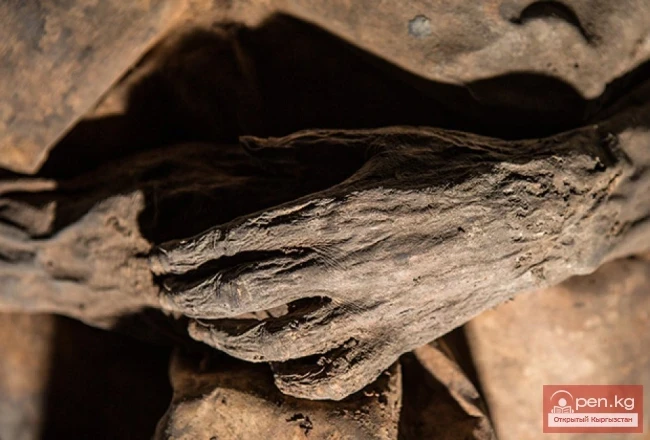
According to historian Kazakova, this exhibit is closely related to the history of the Kokand Khanate, and such items were used during that time. The museum also showcases other artifacts from that period, including clothing of high-ranking officials of the khanate and remains of a mummy found in the Kara-Bulak area. "Our village Kara-Bulak has a rich history. Remains of a mummy and other historical items have been discovered here, highlighting the importance of our region in ancient times. The museum not only preserves historical relics but also serves as a monument to our culture and history," added Kazakova.
Objects
Satellite
⛶