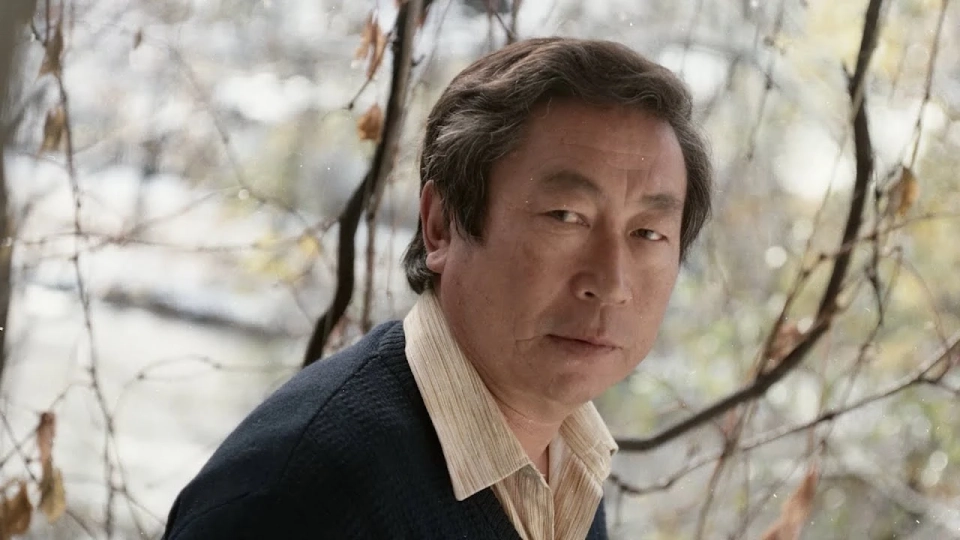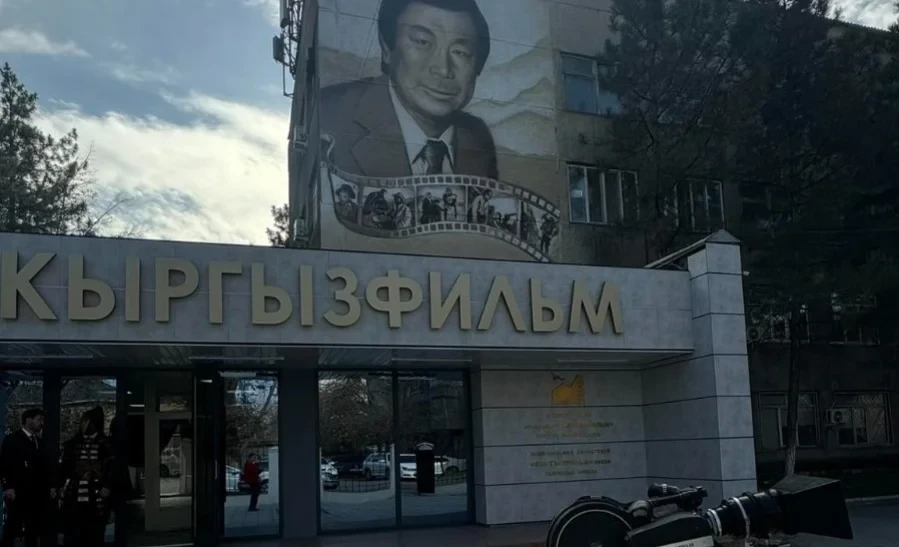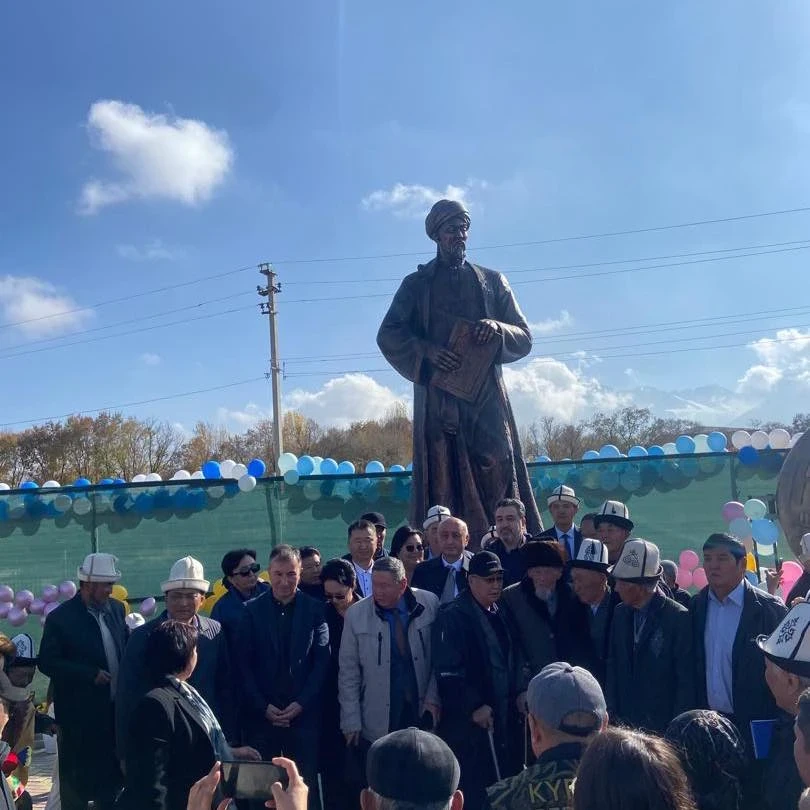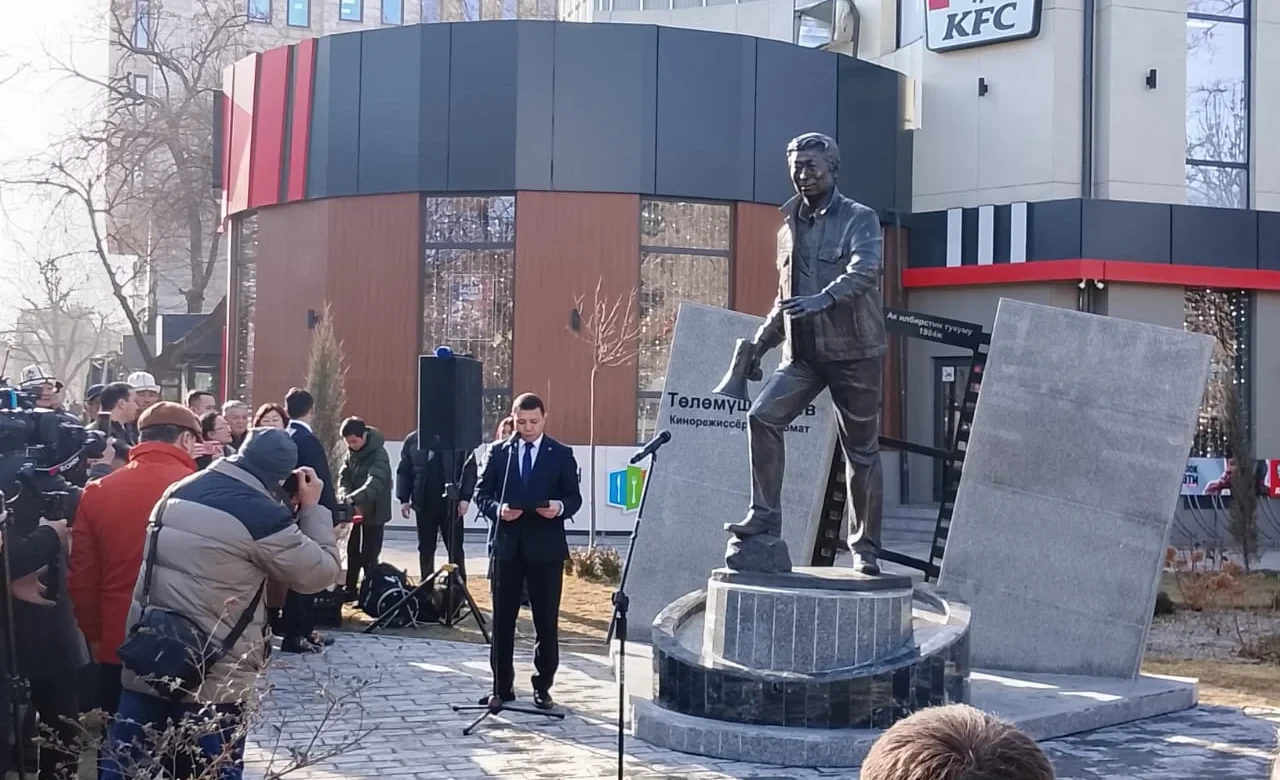
The opening of a monument to the outstanding director and People's Artist of the USSR, Tolomush Okee, took place in Bishkek, who left a significant mark in the history of Kyrgyz cinema.
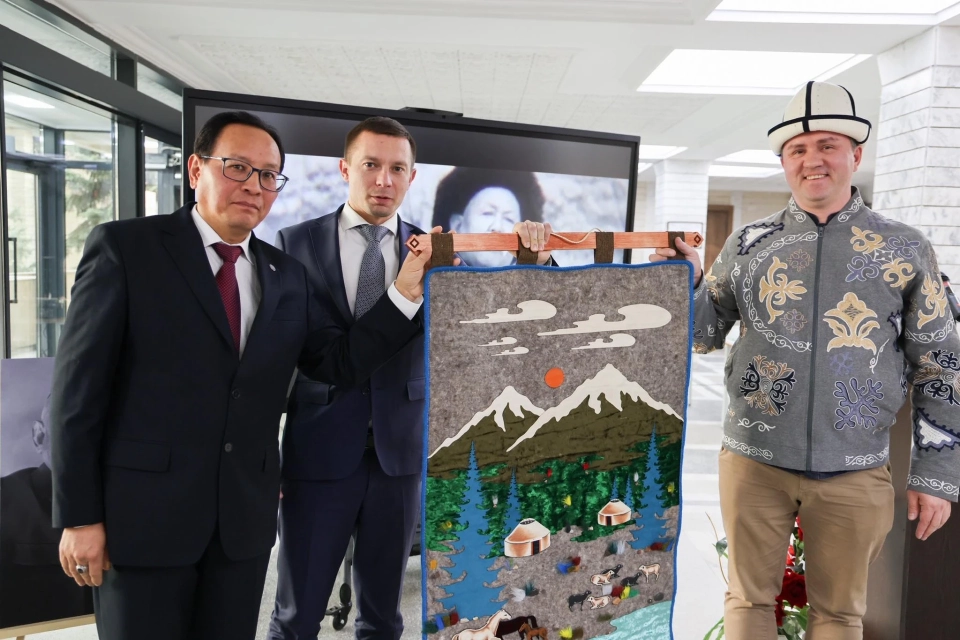
The ceremony was attended by several honored guests, including the Minister of Culture, Information and Youth Policy Mirbek Mambetaliev, State Secretary Arslan Koichiev, and Secretary General of TURKSOY Sultan Raev, as well as friends and relatives of the director.

Sairagul Kurchoobaeva, who heads the fund, expressed gratitude to sculptor Sadabek Azhiev for his work and thanked all the guests who gathered for the opening. The monument is located at the intersection of Chuy and Kalik Akiev streets, near the eastern facade of the Sharshen Termechikov Theater.
The organizers are confident that this monument will remind the residents and guests of the capital of Tolomush Okee's significant contribution to the development of Kyrgyz cinema and the promotion of Kyrgyz culture on the international stage.
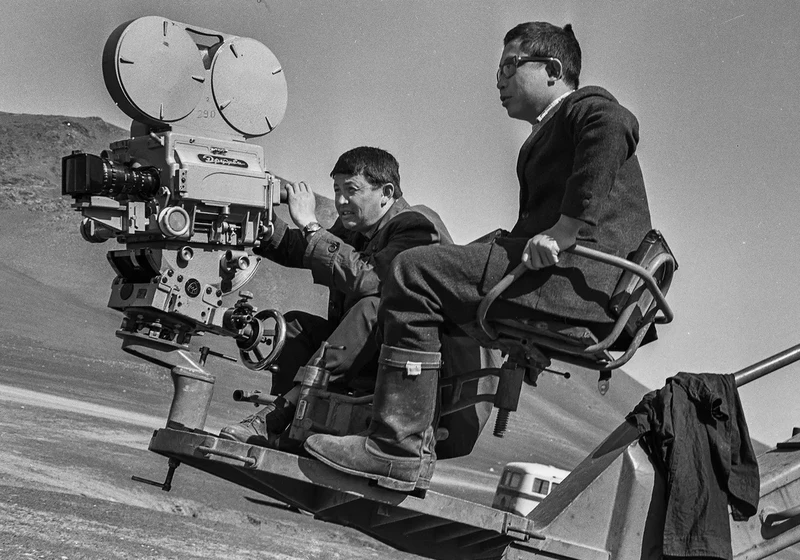
Born in 1935 in the village of Bokonbaevo in the Issyk-Kul region, Okee completed his education at the Leningrad Institute of Cinema Engineers, specializing in sound engineering. After starting his career at the Kyrgyzfilm studio, he continued his studies at the All-Union State Institute of Cinematography, where he became a director.
His films address important themes such as the history of the people, nature, human destinies, and social issues. Okee's works are known for their deep content and epic scale.

The film "Worship of Fire," based on the novel by Nasirdin Baytemirov, tells the fate of the legendary Urkuya Salieva against the backdrop of events in the 1920s and 30s during collectivization. Urkuya is portrayed as a revolutionary and heroine who sacrificed herself for the good of the people, with fire in the film symbolizing hope.

This film was awarded a diploma at the international film festival in Locarno and confirmed Okee's high level of mastery. "Kök sereck" was also nominated for an Oscar but was unable to receive the award due to ideological restrictions.
The film "Red Apple," based on a story by Chyngyz Aitmatov, explores the theme of pure love and the influence of parental relationships on children.

The philosophical epic "Descendants of the Snow Leopard" (1984), based on the folk epic, raises important ecological questions, showing that man is not the master of nature but a part of it, and by destroying the surrounding world, he destroys his future.
After the documentary "These Are Horses," Okee returned to feature films and demonstrated his creative maturity in significant documentary works such as "Boom" and "Heritage," which make viewers reflect on the meaning of life.

In 1993, he was appointed Ambassador Extraordinary and Plenipotentiary of Kyrgyzstan to Turkey, becoming a cultural link between the two peoples and contributing to the establishment of TURKSOY. Through this organization, he promoted Kyrgyz culture, the epic "Manas," and the works of Chyngyz Aitmatov in the Turkic world.
On December 18, 2001, the heart of this great master stopped, but his legacy will live on forever as long as our people exist.