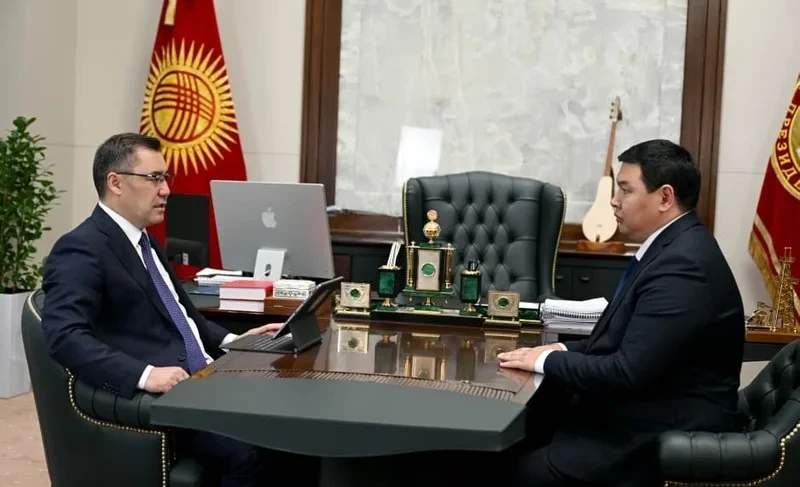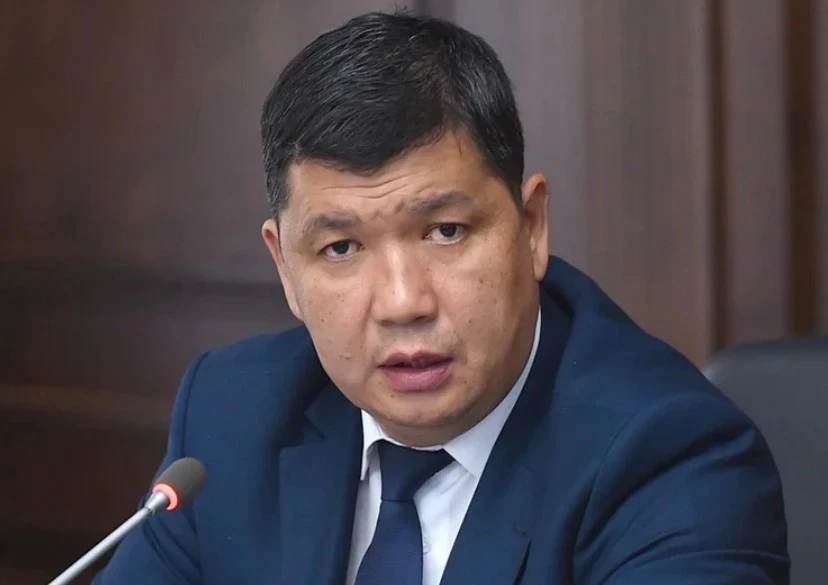
In a podcast by the agency "Kabar," the Mayor of Bishkek, Aibek Junushaliev, summarized the results of large-scale reforms and shared the main plans for the development of urban infrastructure for 2026.
Delivery of 600 new "short buses"
According to the mayor, the city continues to actively expand its public transport fleet. In 2021, the city's need was estimated at 2,500 buses, while currently, 1,436 units are in operation. In 2026, the city administration plans to purchase over 600 new "short buses."
Junushaliev noted that simply increasing the number of vehicles will not solve the traffic congestion problem and may even worsen the situation. The main focus will be on optimizing the schedule to ensure that transport operates more efficiently during "peak hours." Bishkek has over 460,000 registered vehicles, and the issue of traffic jams remains relevant. The mayor emphasized that road expansion will be carried out strictly in accordance with the General Plan to ensure that the infrastructure meets actual loads.
Road construction
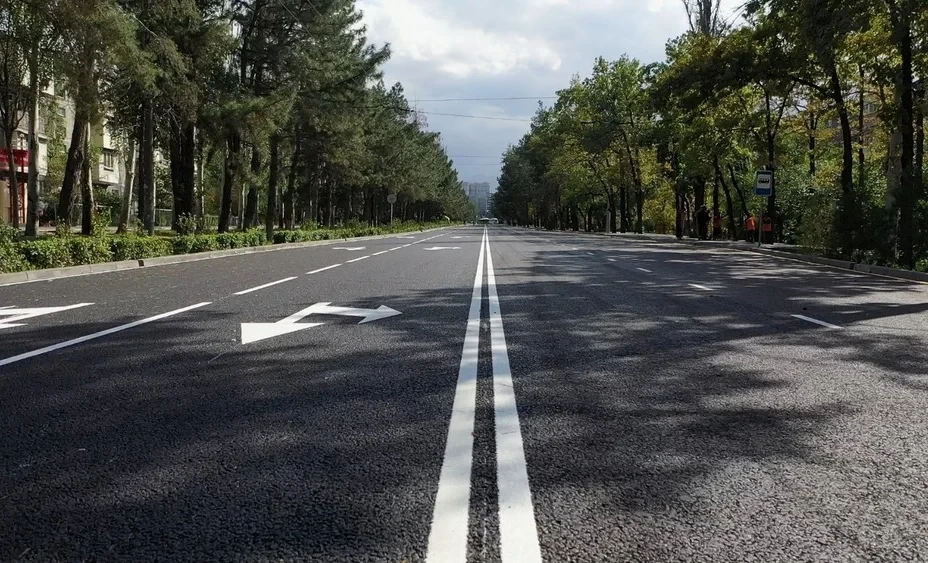
The past year has been significant for Bishkek in the field of road construction. The capital saw the construction of 92 km of roads, which is a record figure (previously, the volume of work did not exceed 25 km per year). Roadwork was completed in a short timeframe—from May to November.
Nevertheless, the volume of tasks remains substantial. After the administrative-territorial reform (ATR), the total length of roads in the capital increased to 2,800 km, of which up to 1,800 km require repairs.
"For 2026, we have planned the construction of 120 km of new roads," said Aibek Junushaliev.
Changing the approach to greening
In 2026, Bishkek plans to plant 50,000 new saplings. Considering the unsuccessful experience of 2025, when 1,500 imported trees died due to poor adaptation, the city administration is changing its strategy.
"The new saplings, the delivery of which will begin in February, will first be planted in special nurseries. Only after specialists confirm their survival and adaptation to the local climate will the saplings be transferred to the city streets," the mayor noted.