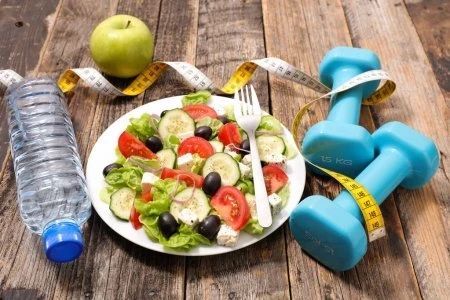
Researchers from the University of Bristol conducted a re-analysis of data from an experiment organized by the National Institutes of Health in the USA. In the study, adult volunteers exclusively consumed natural foods for two weeks, after which they switched to a two-week diet of ultra-processed foods. The nutrient composition remained the same—the levels of fats, sugars, salt, and fiber did not change.
The main conclusion was that people on a diet of unprocessed foods consumed significantly more by weight but received less energy. The volume of food increased by more than 50%, but daily calorie intake decreased by about 300 kcal. This is due to the fact that natural foods, which contain a lot of vegetables and fruits, have low energy density. The high water and fiber content quickly fills the stomach without burdening the body with excess calories.
In the case of ultra-processed foods, the opposite situation was observed. Even small portions of such products contained high calorie content. Industrial food often combines carbohydrates and fats in proportions that strongly activate the pleasure centers in the brain, leading to overeating. Artificial enrichment with vitamins also allows for obtaining necessary micronutrients from high-calorie sources, depriving the body of the instinct to seek them in low-calorie foods such as vegetables.
Professor Jeff Brunstrom, the lead author of the study, noted that people intuitively make the right choice when offered natural foods. "Our preferences in food choice are not random—it seems we make more conscious decisions than previously thought when foods are presented in their natural form," he stated. This emphasizes the importance of food quality in the context of healthy eating, allowing the body to find a balance between satiety, enjoyment, and benefit on its own.