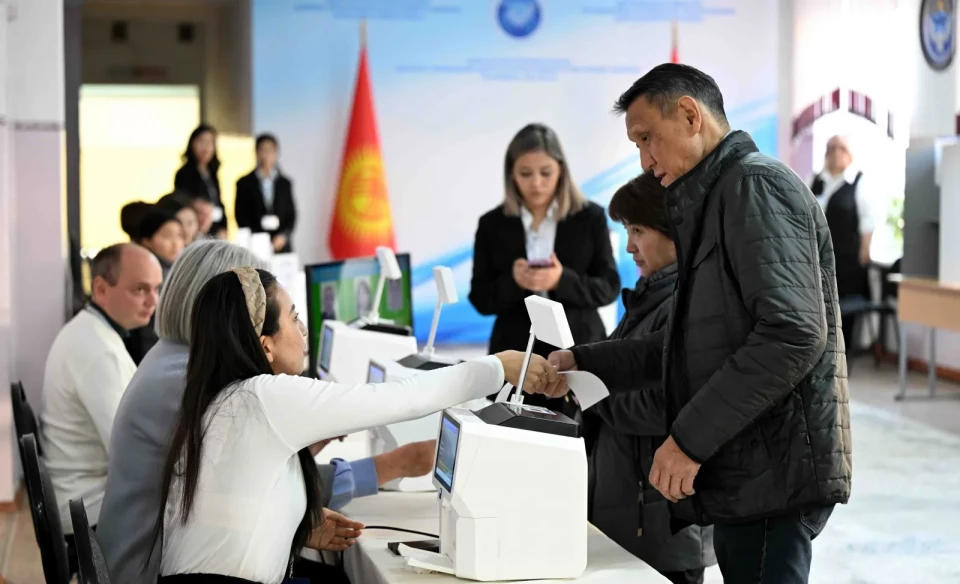
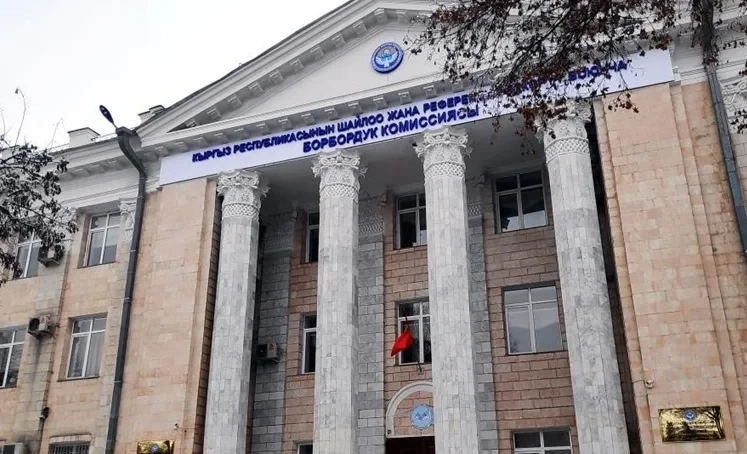
According to Bekeshev, despite existing efforts to improve conditions for active citizen participation in elections, the turnout level remains low, which he believes is related to distrust of the candidates.
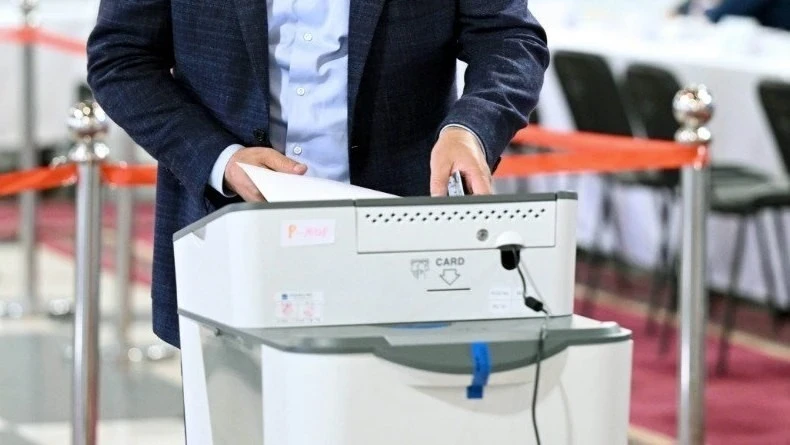
This situation raises serious concerns, as it opens opportunities for candidates willing to use financial incentives to attract voters.As part of the draft law, it is proposed to support those voters who actively participate in voting. It is stipulated that the president, when appointing elections for deputies of the Jogorku Kenesh, may provide measures to encourage active voter participation.
The proposed measures include:
- the accrual of digital soms, which can be used to pay for public services, taxes, and fines, to voters who participated in the voting, the amount of which will be determined by the president or the Jogorku Kenesh;
- funding local initiatives from the republican budget for local self-government bodies where voter turnout was 70% or higher, according to the rules established by the cabinet of ministers;
- free public transport for all citizens on election day.
- involving subordinates, state or municipal employees to support candidates;
- publishing reports on activities in the media during the election campaign without appropriate funding from the election fund. Candidates have the right to post materials not related to campaigning on social networks before the start of the election campaign.
The procedure for distributing funds from this fund will be determined by the Central Election Commission.
It is also proposed to clarify that expenses for the meals of campaigners, observers, and representatives of candidates do not relate to election activities and are not financed from the election fund.
The document contains a proposal to reduce the number of campaigners from candidates from 1,000 to 500.
Moreover, it is proposed to change the rules under which a deputy's powers can be prematurely terminated, excluding cases where a criminal case is terminated on non-rehabilitating grounds, except for:
- minor offenses committed through negligence;
- situations where the victim refuses private-public prosecution or reaches an agreement with the accused in accordance with the law.