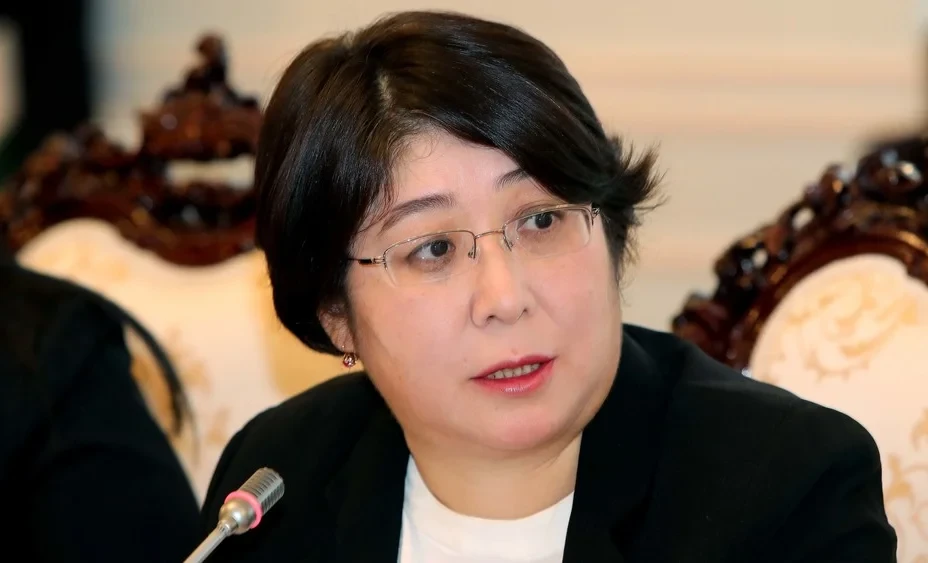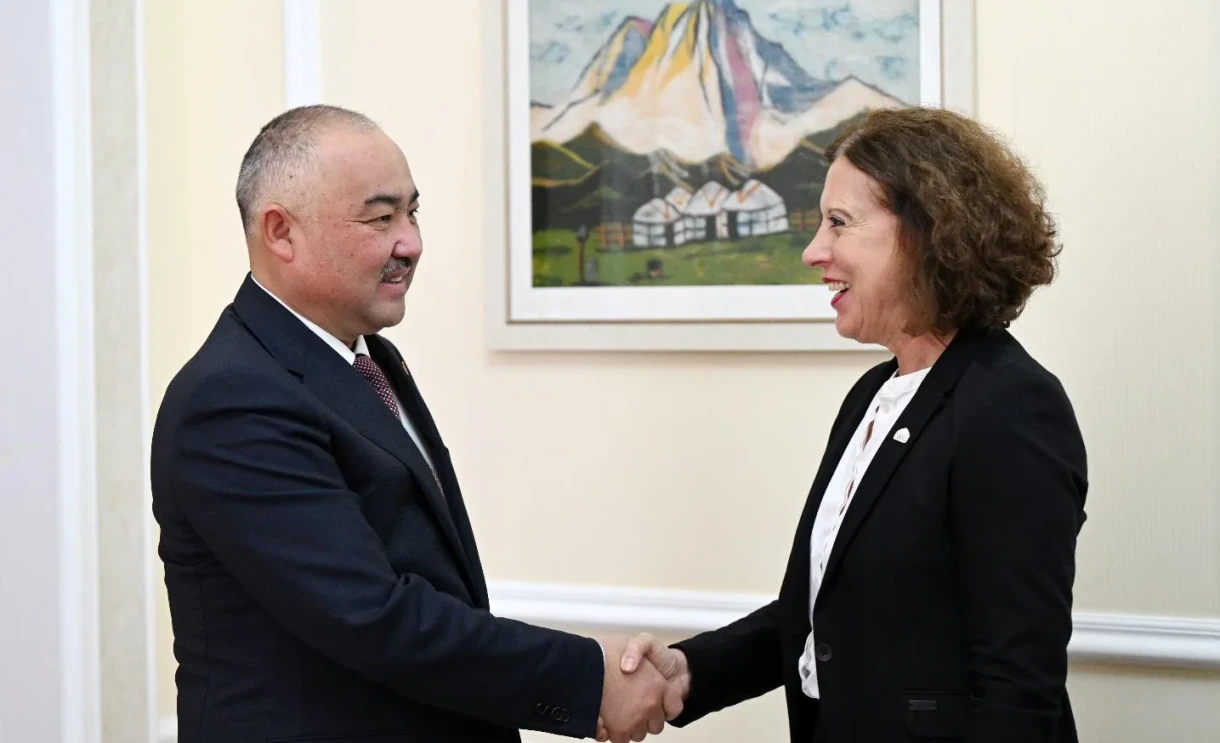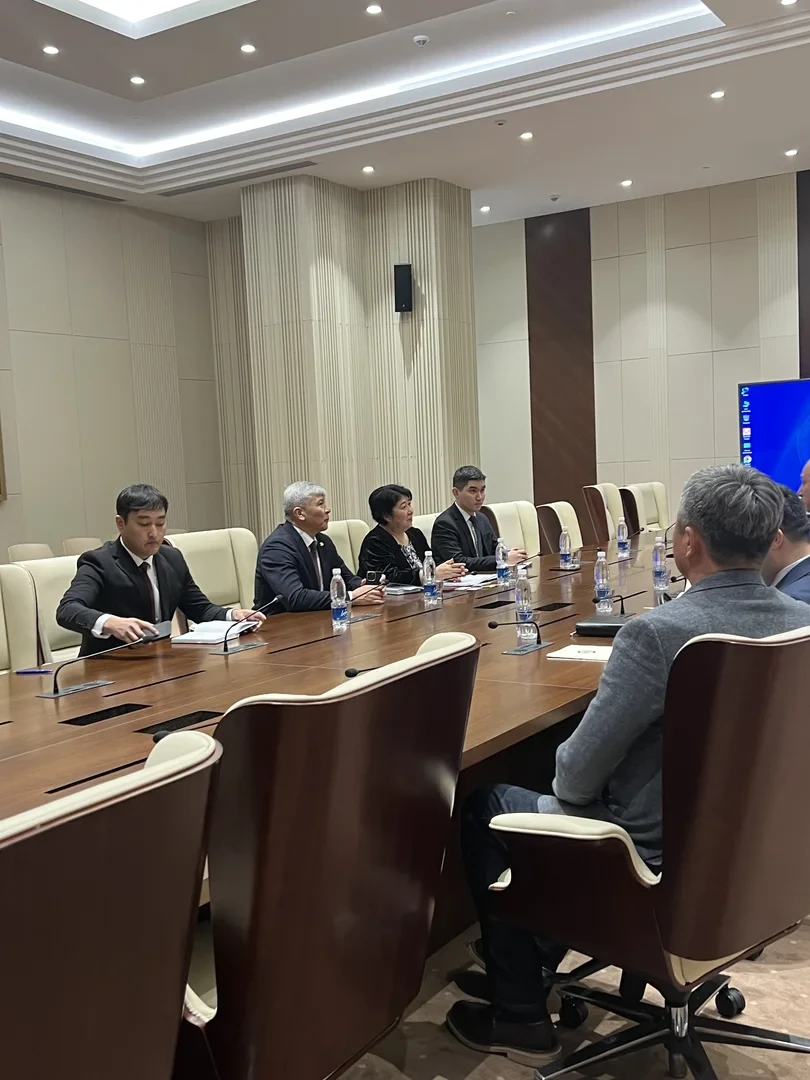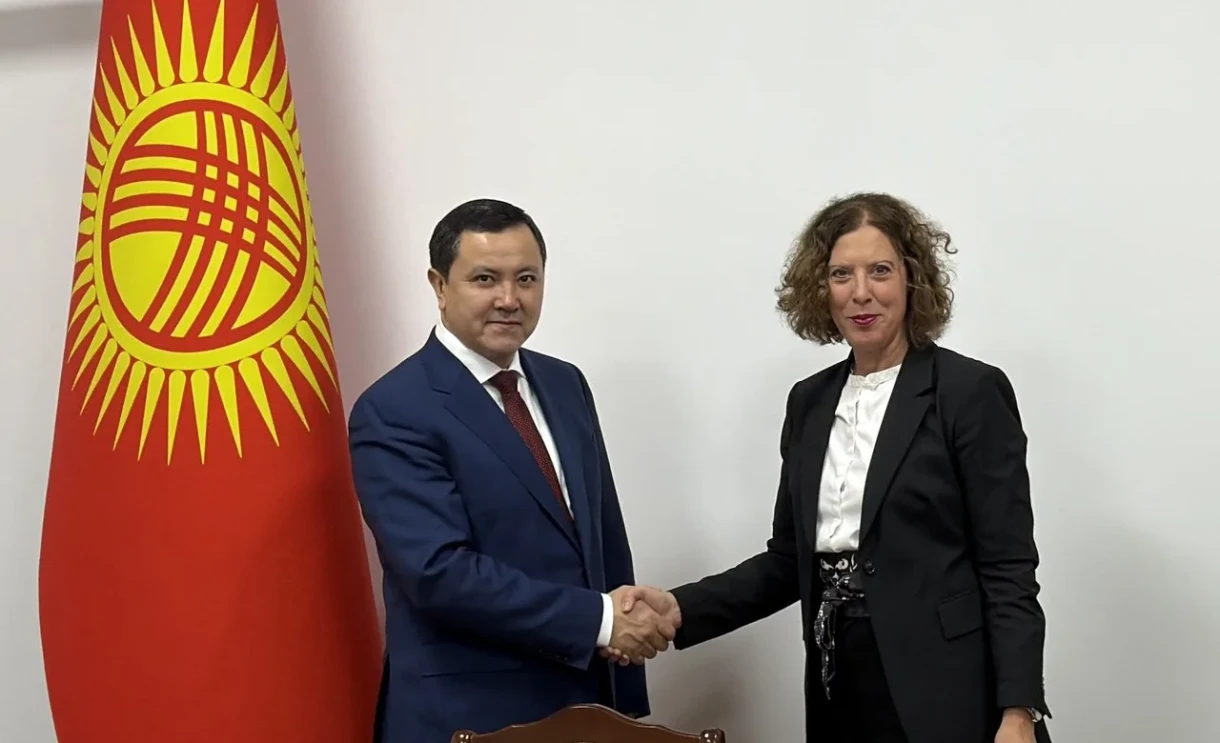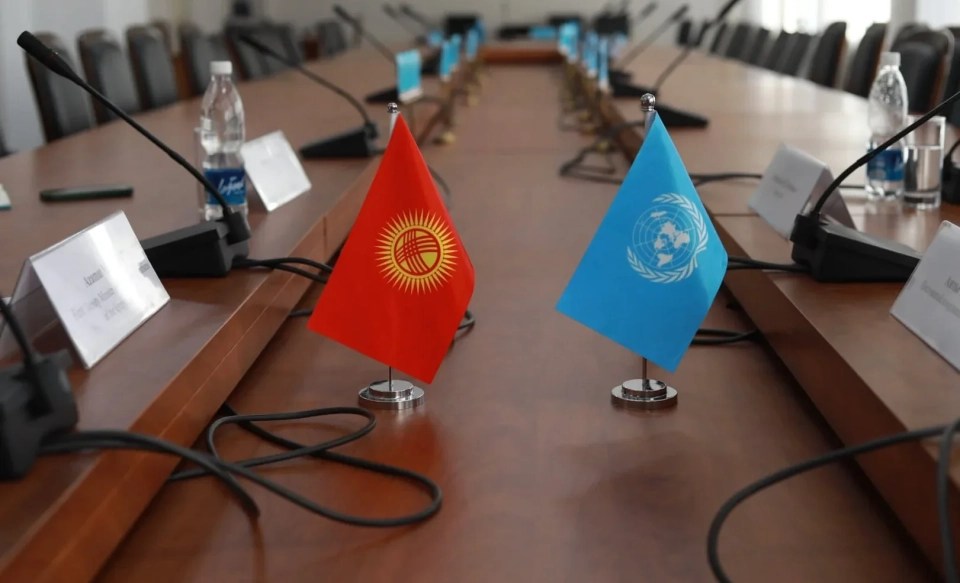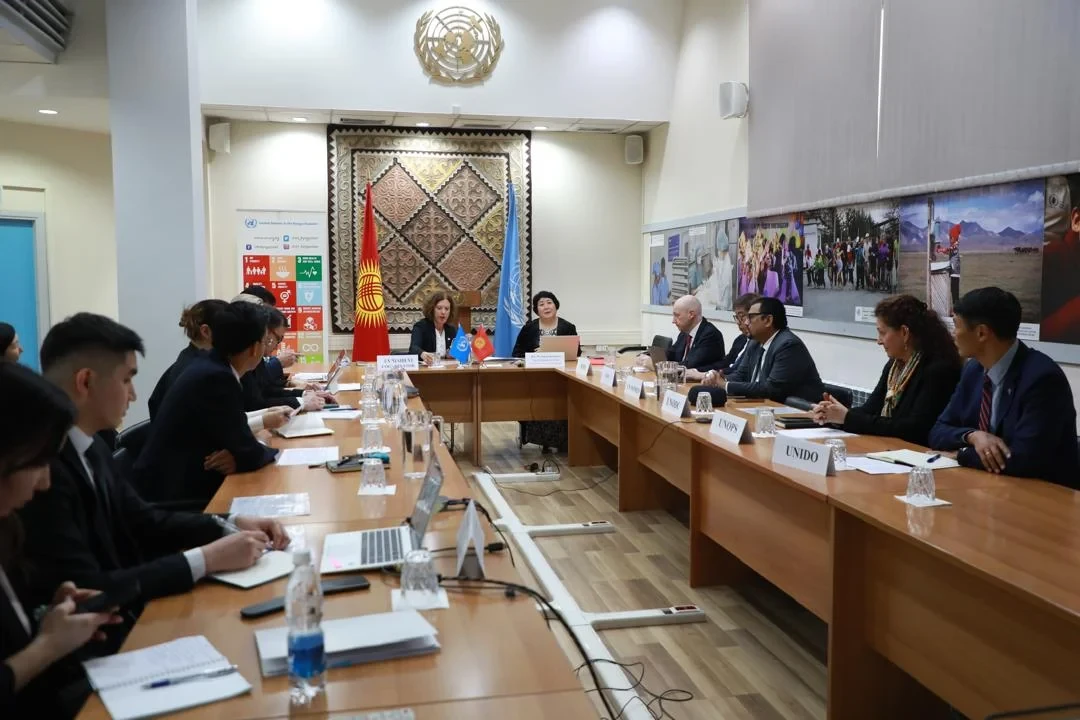
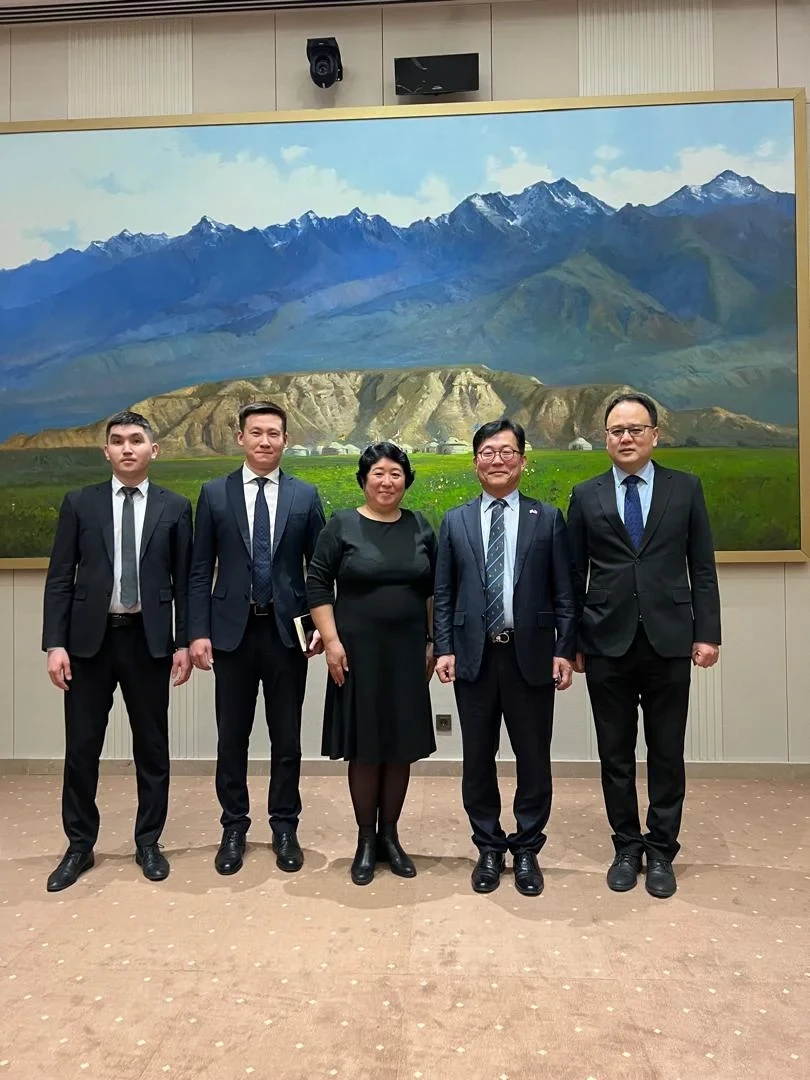
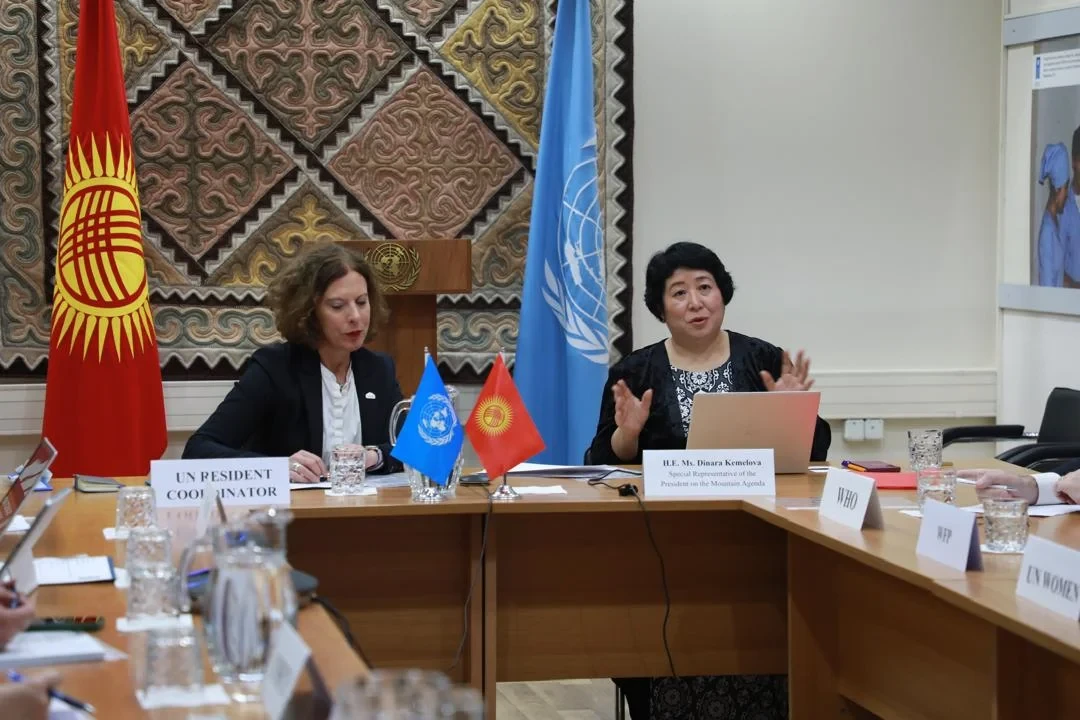
The Special Representative of the President of the Kyrgyz Republic for Mountain Development, Dinara Kemelova, held a series of meetings with representatives of the UN and the Mountain Partnership Secretariat, including the UN Resident Coordinator Antje Grawe and the Ambassador of Korea to Kyrgyzstan, Kim Kwang-dae. This was reported by the press service of the President's Administration of the Kyrgyz Republic.
During these meetings, Dinara Kemelova presented the main priorities of Kyrgyzstan within the framework of the Decade of Action for Mountain Development (2023–2027), emphasizing the issues faced by residents of mountainous areas, such as climate change, natural disasters, and challenging geographical conditions.
Key issues of the Decade received special attention, including the updated Roadmap for 2023–2027, which envisions the implementation of measures to improve living conditions for the population of mountain regions. Important aspects include access to healthcare, clean water, sanitation, energy resources, digital services, and other socio-economic issues.
Additionally, the Special Representative shared information about conducting a comprehensive survey of the geographical, demographic, social, economic, and environmental characteristics of the mountainous areas of Kyrgyzstan. She also announced the initiative to create the Bishkek Global Center for Mountain Region Resilience, which will serve as an international platform for scientific and technical cooperation, access to climate financing, and the unification of efforts among mountain countries, urging partners to actively participate.
In preparation for 2026, it was proposed to organize a series of thematic roundtables and forums in remote mountainous areas of Kyrgyzstan to enhance the capacity of local authorities in sustainable development and the protection of mountain ecosystems.
Furthermore, during the meeting with the Ambassador of the Republic of Korea, Kim Kwang-dae, opportunities for bilateral cooperation were discussed in areas such as the development of renewable energy sources, organic agriculture, tourism, and the modernization of historical and cultural sites in mountain regions, as well as the exchange of experiences in mountain area development with the Republic of Korea.