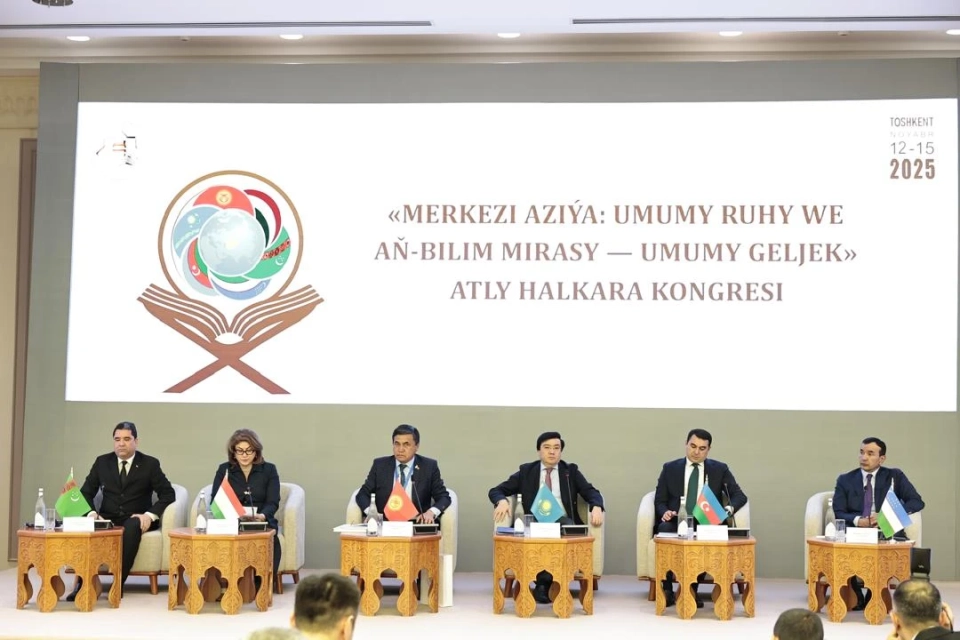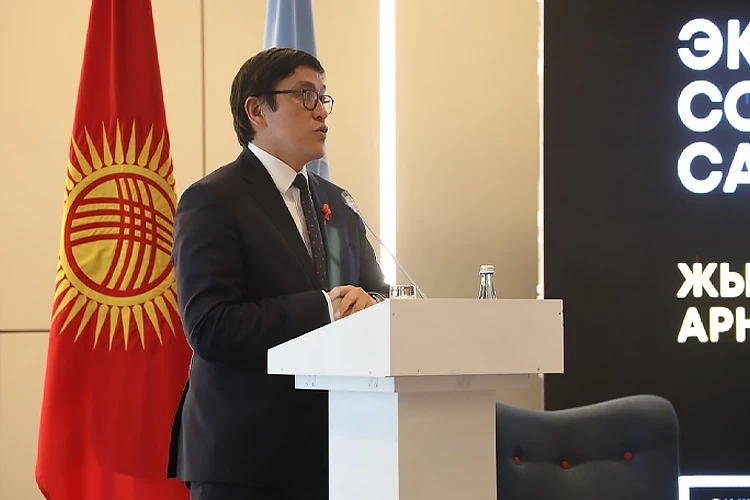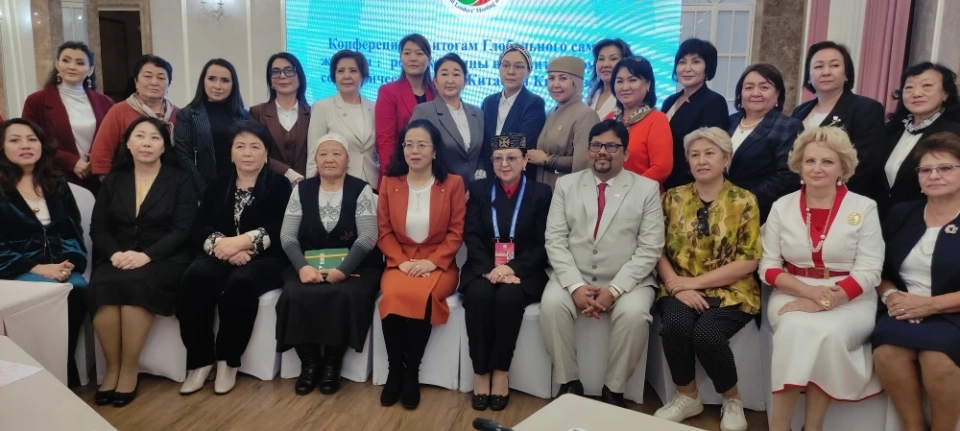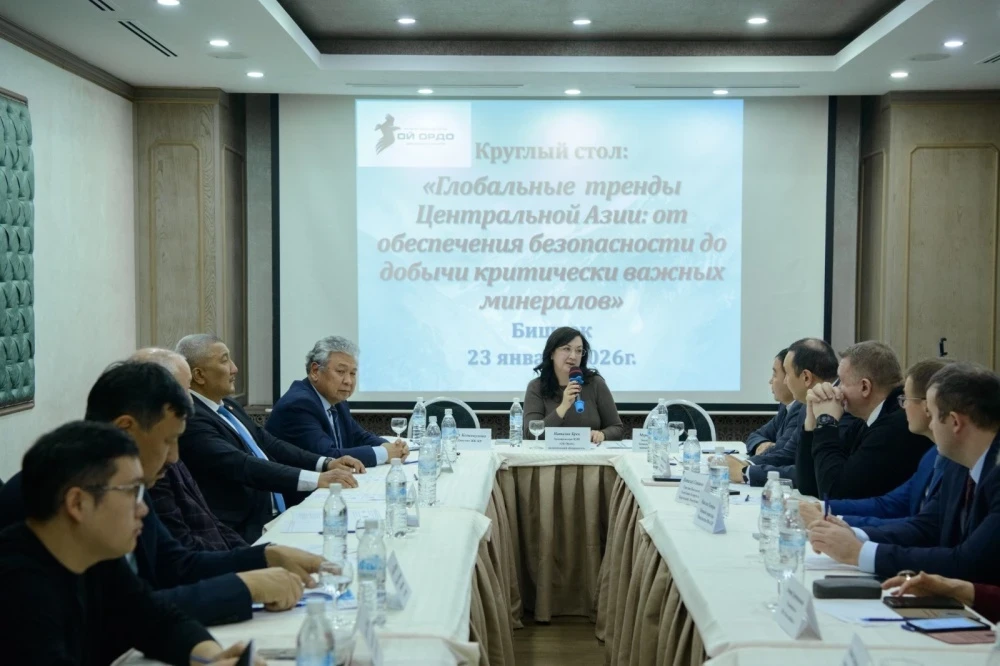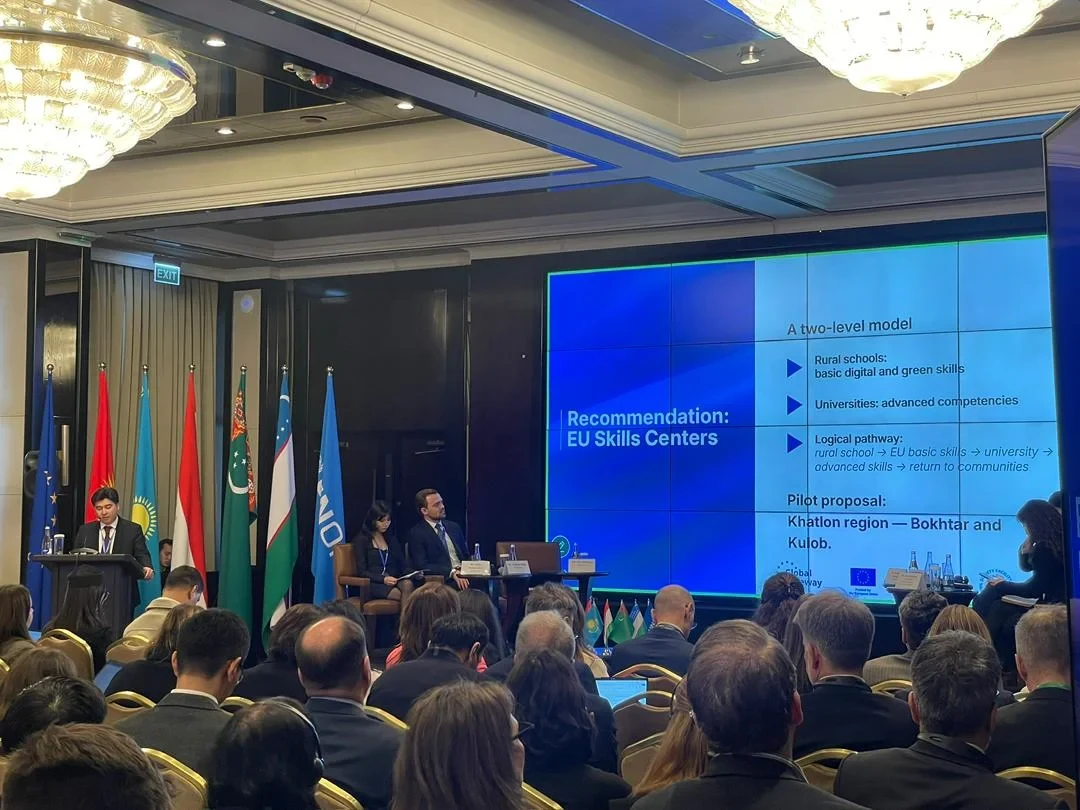
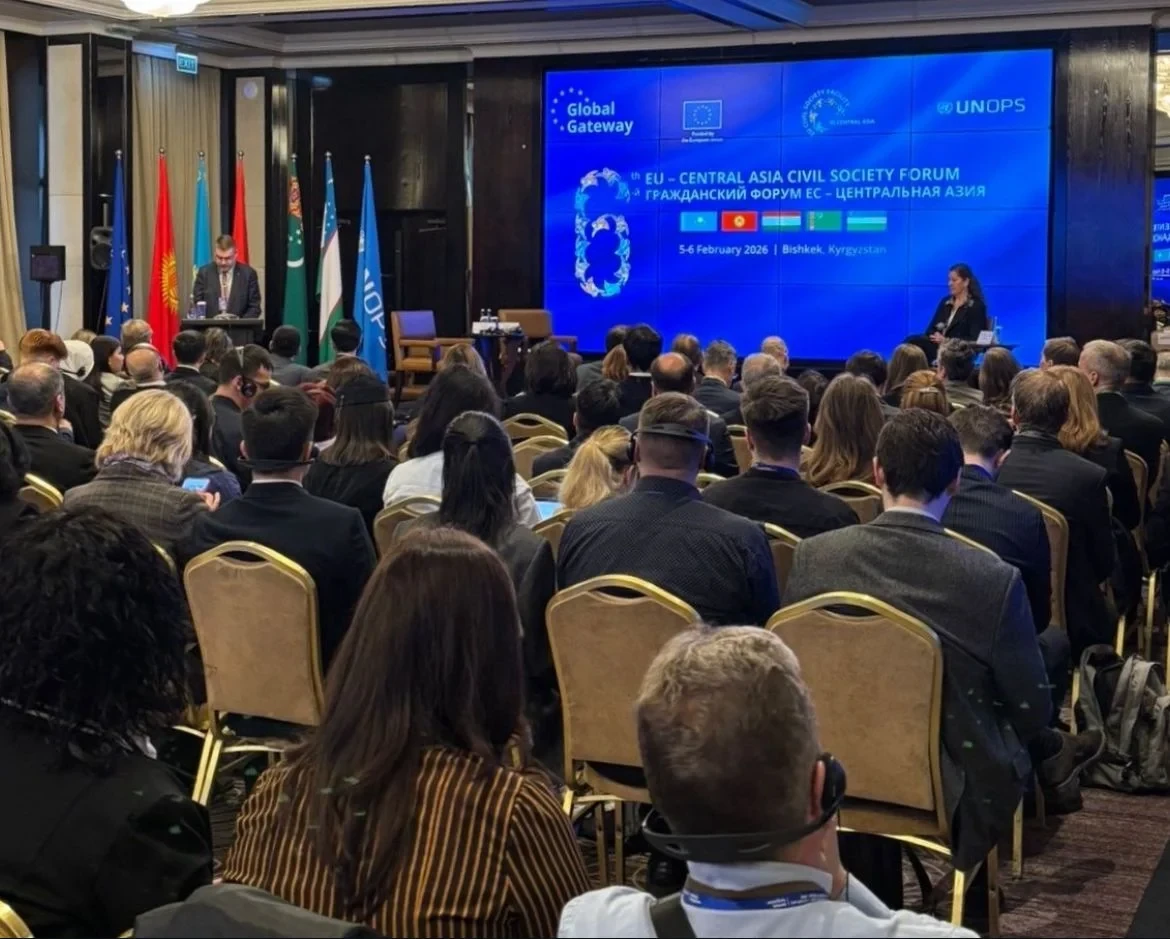
The 6th EU Civil Society Forum in Central Asia took place in Bishkek. This event brought together participants from the civil sector, international organizations, and government structures of the region's countries.
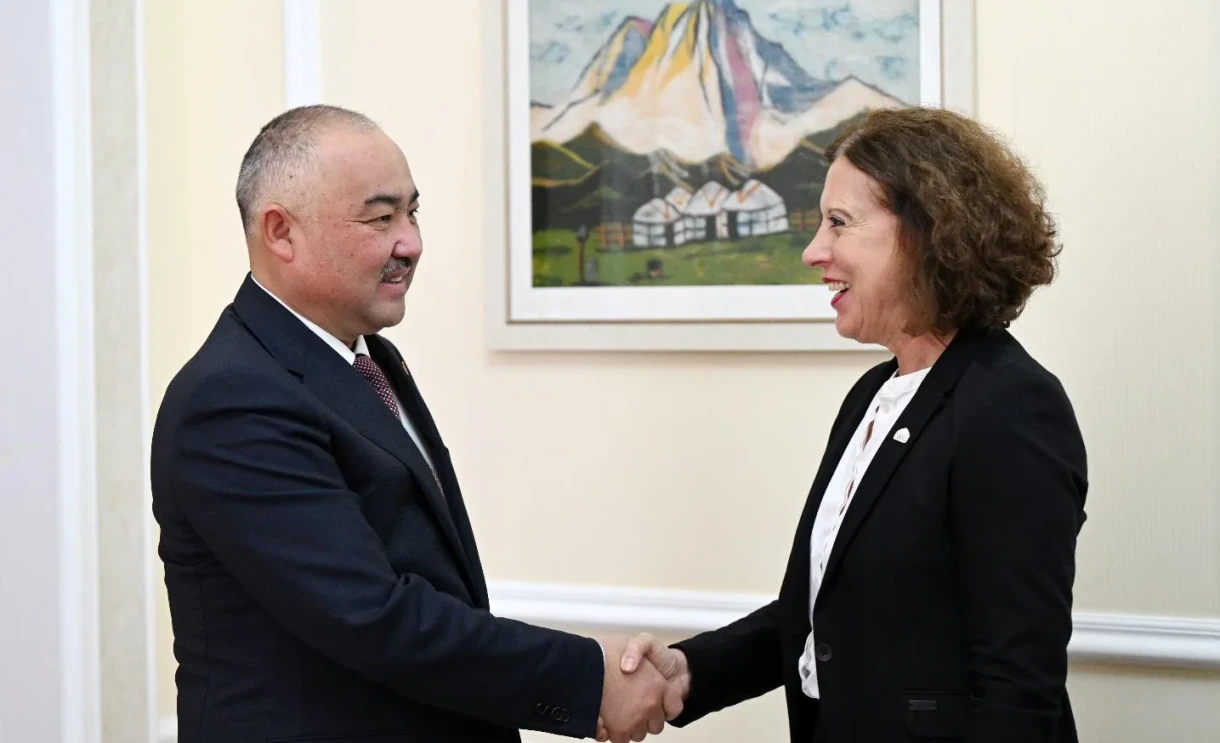
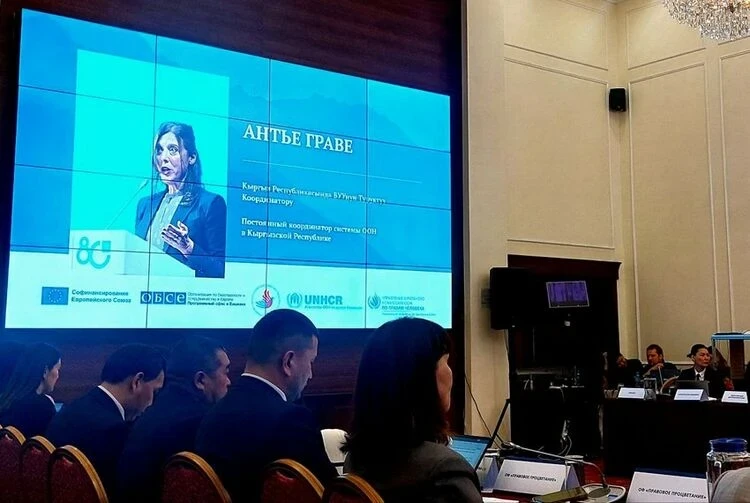
High-profile guests at the forum included the European Commission's Special Representative for Central Asia, Eduards Stiprais, the Deputy Minister of Justice of Kyrgyzstan, Saira Izakova, the UN Resident Coordinator in Kyrgyzstan, Antje Grave, the Director of the UNOPS Office, Simonetto Siligatto, as well as representatives from international organizations such as Global Gateway, the EU Fund, EU Civil Society Facility CA, UNOPS, and the Danish Institute for Human Rights.
The opening of the forum was accompanied by welcoming speeches, where important topics were discussed, such as strengthening cooperation between the European Union and Central Asia, increasing funding and support for youth initiatives, as well as developing joint projects in the region.
During the event, participants reviewed the current state and future prospects for the implementation of joint EU and Central Asia projects, as well as discussed measures aimed at creating favorable conditions for youth and enhancing the role of civil society in regional processes.
The main task of the forum was to identify key challenges and opportunities, as well as to develop strategic priorities in thematic areas with the aim of creating preliminary recommendations and practical actions for the regional agenda.
The 6th EU Civil Society Forum in Central Asia serves as an important annual platform for structured dialogue and partnership between civil society, the European Union, and other developing partners. The forum builds on the results of previous meetings and the activities of thematic working groups covering areas such as digital transformation, climate change and environmental protection, youth engagement, governance and socially responsible entrepreneurship, as well as women's empowerment.
It should be noted that the forum aims to shift from discussion to concrete regional action plans, as well as to strengthen the capacity of civil society organizations to support and implement sustainable changes in Central Asia.