For most car owners, a garage is not just a shelter for the car, but a kind of workshop or storage space, sometimes even a place for hobbies. Our company has been helping clients choose and purchase real estate for a long time, and we know what to pay attention to when selecting a garage.
Types of garages: what to choose
First of all, you need to determine what type of garage you need, and then decide where to buy it and whether you should do so. This will also affect the price, legal aspects, and comfort in the future.
Capital garage in a cooperative. This is the most common option. Usually, such a structure is made of brick or blocks with metal gates. Pros: affordable price, electricity availability, often there is a viewing pit and a cellar. Cons: you need to deal with cooperative documents, pay membership fees, and depend on the board's decisions.
Parking space in an underground parking lot. This is a popular option for new buildings. Formally, this is not a garage, but a parking space, yet it is considered full real estate in the documents. Convenient if you live in that building. Disadvantages include high price and the inability to store anything other than a car.
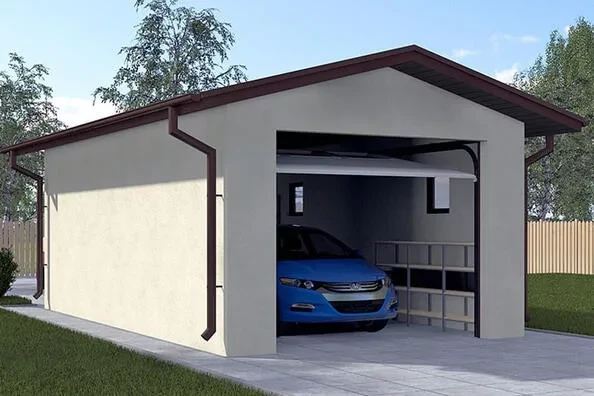
Standalone garage. This option is less common in the city, but can be found in the private sector or on the outskirts. You will have your own land, no neighbors, and complete freedom of action. However, you bear full responsibility for everything — the roof, gates, and security.
Metal garage (shell). This is a budget option, but with caveats. This temporary structure is portable. Often, such garages lack documents, which can create problems when selling. In summer, they are hot, and in winter, cold, so they are not suitable for long-term car storage.
Where to look for a garage: the importance of location
The convenience of using a garage largely depends on its location. If it is located 15 kilometers from your home, you will quickly stop visiting it.
The optimal distance from your residence is 5-10 minutes on foot or a couple of stops by transport. Pay attention to the convenience of getting there in winter, when it is dark and slippery. A pleasant walk through the park in summer can become challenging in winter.
The roads to the cooperative should also be in good condition. A broken dirt road that turns into a swamp in spring is a common problem for old cooperatives on the outskirts. Ask the owners of neighboring garages about the road conditions in winter.
The safety of the area is also very important. Garage cooperatives located in industrial zones or wastelands can become targets for thieves. The presence of security, cameras, and good lighting reduces risks. Pay attention to the fences, gates of the cooperative, and the condition of the locks.
Technical condition of the garage: what to pay attention to
When inspecting a garage, it is important to be attentive. Sellers may hide defects or underestimate their seriousness.
Foundation and walls. Cracks in the walls are a warning sign. Small cracks in the plaster are not scary, but if a crack goes from the foundation upward and expands over time, it may indicate foundation subsidence. Repairs in such cases can be expensive. Check the corners — this is where problems often manifest first.
Roof. Go up to the roof and inspect it. Rust on metal sheets, rotten areas, or holes can lead to leaks. Also, peek inside the garage and check the ceiling for signs of leaks. Dark spots, streaks, and peeling whitewash indicate roof problems.
Gates. They should open and close easily, without misalignment. The hinges should not be rusty, and the locks should be functional. If the gates are difficult to open, this may indicate wear on the hinges or distortion of the opening geometry due to foundation subsidence.
Floor. A concrete floor may have cracks and pits from time. It is especially critical if the floor is sinking, as this indicates that the ground beneath it is washing away or the foundation is deteriorating. The viewing pit should be dry; if there is water in it, this signals a high groundwater level, and you will need to do waterproofing.
Wiring. Old aluminum wiring with fabric insulation is dangerous in terms of fire. Modern copper wiring in conduits or cable channels is the norm. Check the operation of outlets, switches, and lighting. If you plan to use powerful equipment, clarify what power is allocated for the garage.
Legal aspects: documents for the garage
There are often difficulties with garage documents. Let’s figure out what documents should be in order.
Ownership rights. The optimal option is a registered ownership right in the Rosreestr. You can check this online through an extract from the EGRN. It indicates the owner, area, address, and any encumbrances.
Certificate from the garage cooperative. If the garage is in a GSK, a certificate of membership in the cooperative and absence of debt on contributions will be required. Sometimes a person owns a garage but has not paid contributions for a long time. The debt will transfer to you.
Purchase or donation agreement. If the ownership right is not registered, there must at least be an agreement under which the current owner received the garage, as well as an acceptance certificate. Without these documents, the transaction will be risky.
Cadastral passport. The garage must be registered in the cadastral register. Without this, you will not be able to register ownership. If the garage is not accounted for, you will need to go through the technical inventory procedure and registration, which requires time and money.
Permits. For capital structures, a building permit or at least old-style BTI documents is necessary. If the garage is built illegally on someone else's land, there may be problems with authorities or the landowner.
Financial aspects: ownership expenses
The cost of purchase is not the only expense. Maintaining a garage also requires financial investment.
Membership fees in a cooperative usually range from 500 to 2000 rubles per month. What we pay for: electricity, water (if available), security, cleaning the territory, and current repairs of common elements. Clarify the amount of contributions before purchasing to avoid unpleasant surprises.
Electricity may be paid separately by meter or included in the fees. If you have powerful equipment — a compressor, welding machine, heater — bills can increase significantly.
Property tax is charged if the garage is registered as property. The rate depends on the cadastral value and region. Usually, it is several hundred rubles per year, but in some cases, it can reach several thousand.
Repairs and maintenance are a separate expense item. The roof needs to be re-covered every 10-15 years, the gates require painting and lubrication of hinges. The floor may need leveling. Budget for these works.
When deciding to purchase a garage, pay attention not only to its current condition but also to future expenses. A cheap garage with a problematic roof may ultimately cost more than a more expensive one in good condition.
Procedure for formalizing the transaction
The process of purchasing a garage is legally simpler than that of an apartment, but there are nuances here as well.
Seller verification. Request a passport and compare the data with the garage documents. The seller must be listed in the extract from the EGRN as the owner. If the sale is taking place by proxy — check the power of attorney with a notary for its validity.
Purchase agreement. It can be drafted independently using a template or by consulting a lawyer. The agreement should include: full names and passport details of the parties, address and characteristics of the garage, price, payment procedure, and date of transfer. It is signed in two copies.
Acceptance certificate. It is drawn up at the moment of handing over the keys from the seller and payment of money. The certificate records the condition of the garage, the transferred property (if there are shelves, tools), and the meter readings.
Registration of ownership rights. Documents are submitted to the MFC or through the Rosreestr website. Required: agreement, certificate, passport, and receipt of payment of state duty (2000 rubles for individuals). The registration period is 7-9 working days. After that, you will receive an extract from the EGRN confirming your ownership rights.
Re-registration in the cooperative. If the garage is in a GSK, you need to attend a meeting or contact the chairman with an application to join the cooperative. The purchase agreement and passport will be required. Your data will be entered into the members' register, and you will need to provide the chairman with your contact details for contribution calculations.
Alternative solutions: renting or building
Buying is not the only way to obtain a garage.
Renting. If you are not ready to buy or temporarily need a place for your car, you can consider renting a garage. The average rental cost ranges from 3000 to 8000 rubles per month, depending on the city and area. Over a year, this amounts to 36,000 to 96,000 rubles — over several years, this sum can equal the cost of your own garage. At the same time, you are not tied to obligations and can move at a convenient time.
Building. If you have a plot of land, you can build a garage yourself. This will cost from 200,000 to 500,000 rubles, depending on the size and materials. Plus, time for construction and document processing. However, you will get exactly the garage you need — the required size and layout.
Parking space in a parking lot. A convenient option for residents of apartment buildings. You don’t need to go anywhere; just go down to the parking lot. The cost is comparable to a regular garage, but functionality is limited — only for parking the car, with no possibility for storage or work.
Garage as an investment: is it worth it
Some buy garages not for themselves, but for rental or resale purposes.
The yield from renting a garage is approximately 5-8% per annum of the purchase price. For example, if you bought a garage for 500,000 rubles and rent it for 5,000 rubles a month, you will receive 60,000 rubles a year — this is 12% per annum. But you need to find a reliable tenant and monitor the condition of the property, as well as resolve any arising issues.
The price growth of garages occurs more slowly than that of apartments. Over five years, a garage may increase in price by 20-30%, while an apartment over the same period may rise in price by 40-50%. However, the entry threshold is lower — a garage can be purchased for an amount comparable to the cost of a premium smartphone.
The liquidity of garages is average. A quick sale is possible if the price is reasonable and the location is good. But if you overprice or the garage is in a remote cooperative, it may take a long time to sell.
Acquiring a garage is a serious decision that requires careful analysis of documents, technical condition, and financial capabilities. We recommend thoroughly checking all aspects of the transaction to avoid problems in the future. A well-chosen garage can serve you for decades and justify your investments.