The decision of the U.S. Supreme Court was a significant blow to Donald Trump, as it overturned most of the tariffs he had imposed.
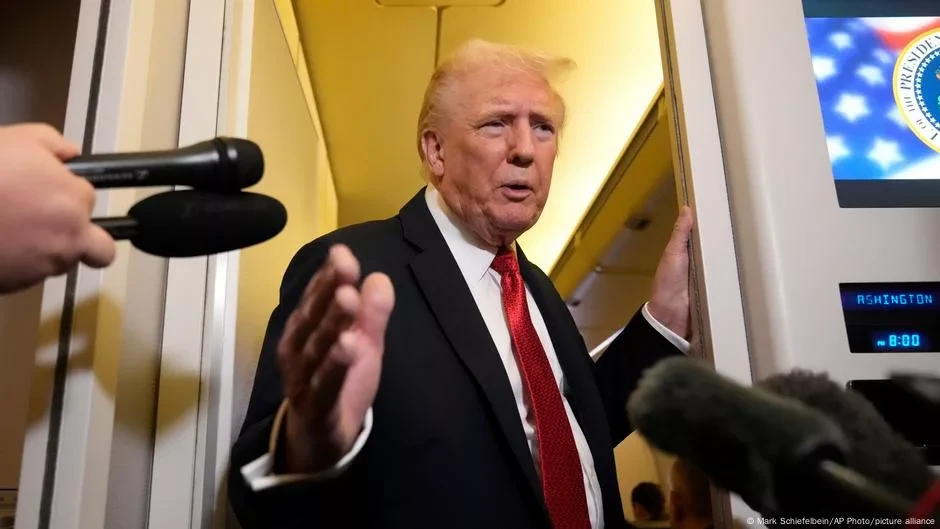
In response to this court ruling, Trump published a detailed statement on the Truth Social platform.
In his statement, Trump noted that the court's decision seems absurd, as the court indicated that it has no right to collect even 1 dollar from other countries under the IEEPA, as if it is meant to protect other nations rather than the U.S. At the same time, he is allowed to completely halt trade with these countries, even impose an embargo. He expressed confusion over this, asking how licenses can be issued while having no right to collect licensing fees. Nevertheless, the court granted him the ability to prohibit the import of many goods into the country — a right he believes is more significant than many expected. Trump emphasized that the country is the "hottest" in the world, and he intends to take a tougher stance than originally planned.
Judge Kavanaugh, in his concurring opinion, noted: "While I disagree with today's decision, it may not significantly limit the president's powers in the future. There are numerous federal laws that empower the president to impose tariffs, and this may justify most tariffs considered in this case." He referred to the Trade Expansion Act of 1962, the Trade Act of 1974, and the Tariff Act of 1930.
Trump thanked Judge Kavanaugh, stating that despite the court's intentions, the ruling strengthened presidential powers in regulating trade and imposing tariffs, rather than limiting them. He believes that now budget revenues and protection for American companies will increase due to this verdict. In his view, the Supreme Court did not cancel the tariffs but merely recognized their application under the IEEPA as inadmissible.
The president's powers to block, impose embargoes, and license trade with foreign states are confirmed, and he can now impose even higher tariffs than before. Trump reported that all existing tariffs related to national security remain in effect, and he plans to sign an order imposing a 10% global tariff under Section 122, as well as initiate new investigations into other regulations to protect the country from unfair trade.
Judge Kavanaugh, in his concurring opinion, noted: "While I disagree with today's decision, it may not significantly limit the president's powers in the future. There are numerous federal laws that empower the president to impose tariffs, and this may justify most tariffs considered in this case." He referred to the Trade Expansion Act of 1962, the Trade Act of 1974, and the Tariff Act of 1930.
Trump thanked Judge Kavanaugh, stating that despite the court's intentions, the ruling strengthened presidential powers in regulating trade and imposing tariffs, rather than limiting them. He believes that now budget revenues and protection for American companies will increase due to this verdict. In his view, the Supreme Court did not cancel the tariffs but merely recognized their application under the IEEPA as inadmissible.
The president's powers to block, impose embargoes, and license trade with foreign states are confirmed, and he can now impose even higher tariffs than before. Trump reported that all existing tariffs related to national security remain in effect, and he plans to sign an order imposing a 10% global tariff under Section 122, as well as initiate new investigations into other regulations to protect the country from unfair trade.
On Friday, the Supreme Court ruled that Donald Trump exceeded his authority by imposing tariffs based on a law intended for cases of national emergency.
The judges, by a majority of 6 to 3, concluded that Trump's tariff policy regarding goods imported into the U.S. does not comply with the International Emergency Economic Powers Act enacted in 1977.
Although the ruling does not concern all of Trump's tariffs, it overturned two categories: the so-called "reciprocal" tariffs, which ranged from 34% for China to a base rate of 10% for most other countries, as well as 25% duties on certain goods from Canada, China, and Mexico, which were imposed due to insufficient measures to curb fentanyl supply.