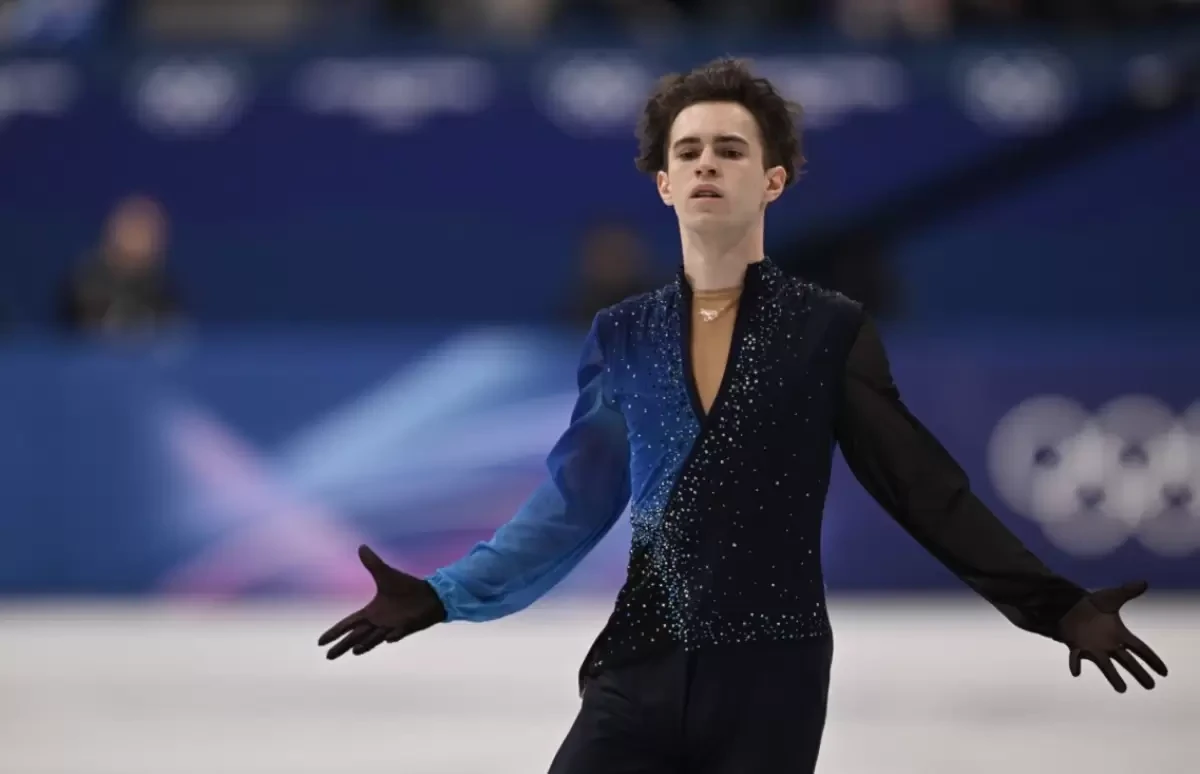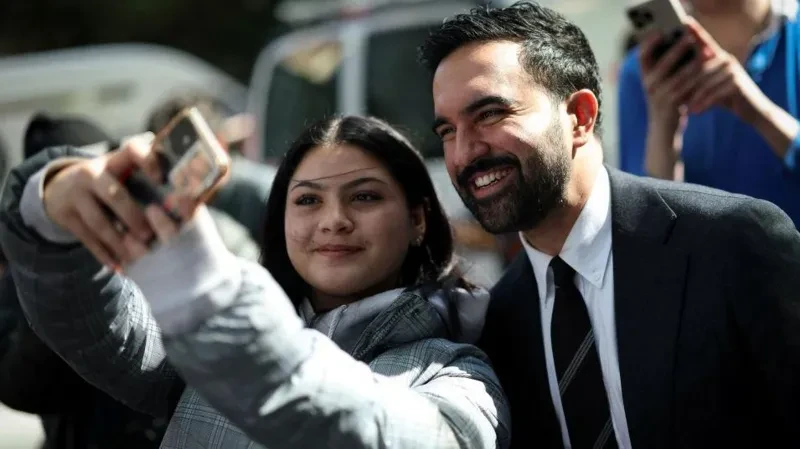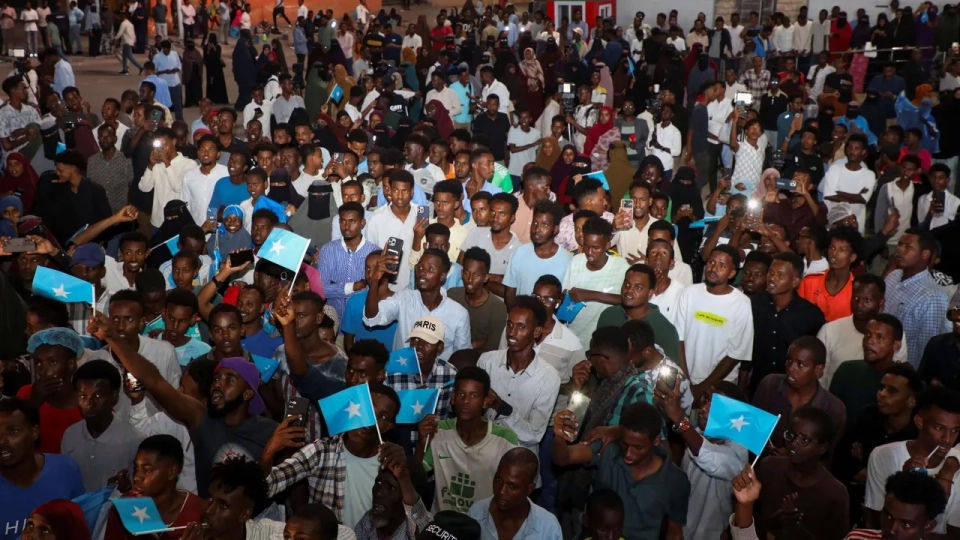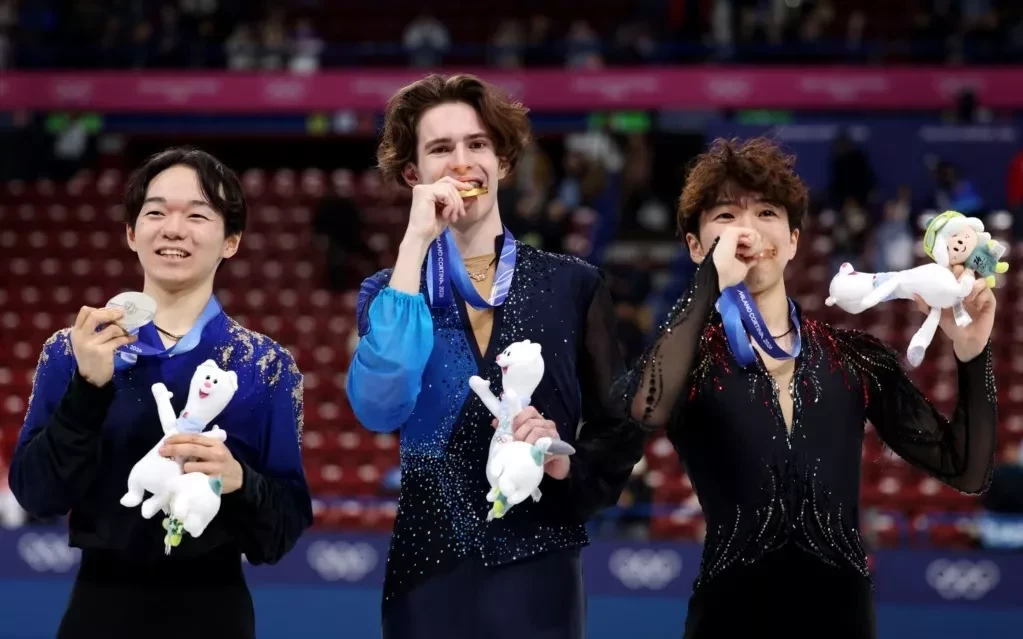
The return of Mikhail Shaidorov to his homeland after his victory at the Olympics in Milan was a true celebration. The athlete was greeted as a national hero, and his first words were addressed to the numerous fans who shared in the joy of his victory.
“I have no words, only immense gratitude for your support. It gives me the strength to continue growing and to glorify our country. Thank you all,” said the champion.
Mikhail's success came through a long and difficult path. In an interview a year ago, his father and coach Stanislav Shaidorov mentioned how after an injury in 2021, the athlete had to recover at his own expense. According to Stanislav, the figure skating federation deprived Mikhail of his salary and excluded him from the national team.
“In the Olympic season, we received no support. Although I know that figure skating was funded by the National Olympic Committee. If I were a businessman, I might have kept quiet. But the costs of preparing a skater of Mikhail's level are enormous – training camps, training, equipment, costumes. It is abnormal when the country's main athlete, especially one who is injured, is simply left without support,” Stanislav told the newspaper “Karavan.”
These memories became particularly relevant after his Olympic gold medal win. To justify themselves, the Ministry of Sports announced that over half a million dollars had been spent on the preparation of the skater in 2025, and they published data on Shaidorov's salary, which indicated he earned about 65 thousand dollars in a year.
The athlete was surprised by this move: “I believe that this is disrespectful to me as an athlete. I don’t understand why this information was disclosed, as I was simply doing my job, training, and achieving results. Now it looks like the ministry has sent me a bill for the gold medal, which should not be the case,” Mikhail commented in an interview with Tengrinews.
These justifications from officials damaged their reputation. They were accused of disclosing confidential information about the athlete and of hiding their expenses, including costs for the trip to Milan.
When journalists who met Shaidorov at the airport asked the minister about the budget of the Kazakh delegation for the Olympics, he suggested sending a written request. “Let’s respond in writing about how much was spent on transport, accommodation, and meals. I won’t be able to say anything on the spot,” replied Yerbol Myrzabosynov.
The minister added that officials did not travel abroad without reason – each had a specific task and work plan.
In the Kazakh internet, the ministry's communication strategy was characterized as a failure.
“It creates the impression that the athletes whom the ministry sends to competitions do not belong to themselves. If they want to, they will publish all the information about you; if not, they will not post it, especially if there are no large sums involved. And no one asks the athletes. Someone clearly rushed,” wrote lawyer Yerzhan Yesimkhanov on Facebook. “This is another reputational failure. Creating a positive image turned out to be more important than the interests of the athletes. Fortunately, Shaidorov himself remained reasonable and does not attach much importance to this.”
“Minister of Sports Myrzabosynov did not provide a clear answer to journalists about the reasons for disclosing the budget for Mikhail Shaidorov's preparation in 2025,” said journalist Nikolai Enelane. “Now everyone is calculating the minister's per diem. This is a failure.”
The difficulties of Kazakh athletes' careers are especially well known to their families. Behind every champion are dedicated parents.
“Parents don’t sleep, driving them to training at six in the morning, spending money on camps and tournaments. The state only gets involved at the finish line when it realizes that a medal might be possible. And then they say: ‘Well, okay, we’ll give some money,’ just to check the box that they raised a champion,” said journalist Tamara Vaal, head of the capital's bureau of the magazine “Vlast” and mother of a girl who practices rhythmic gymnastics.
Now Mikhail Shaidorov, who brought Kazakhstan its first Olympic gold in figure skating, is receiving many gifts – apartments, cars. But the question remains whether, after his victory, they will actively build professional rinks for training new champions who will make victories on ice a norm.
Mass sports, especially winter sports, are not well developed in Kazakhstan. Mikhail began training on a small rink in a shopping center in Almaty, just like Denis Ten, another star of Kazakh figure skating who won bronze at the Sochi Olympics in 2014. His life was tragically cut short four years later when he was killed while trying to stop thieves who were attempting to steal mirrors from his car in Almaty. He was only 25 years old.
After his victory at the Olympics in Italy, Mikhail Shaidorov noted that Denis Ten influenced not only him but also figure skating in Kazakhstan as a whole. “He opened doors for many skaters, and that is very important,” emphasized the Olympic champion.
In the early stages of Ten's career, the costs of training, travel, and costumes were also borne by his parents. Figure skating is considered an expensive sport, requiring significant investments in equipment, ice rental, coaching services, program choreography, and participation in competitions.