Key causes of seizures:
1. High temperature
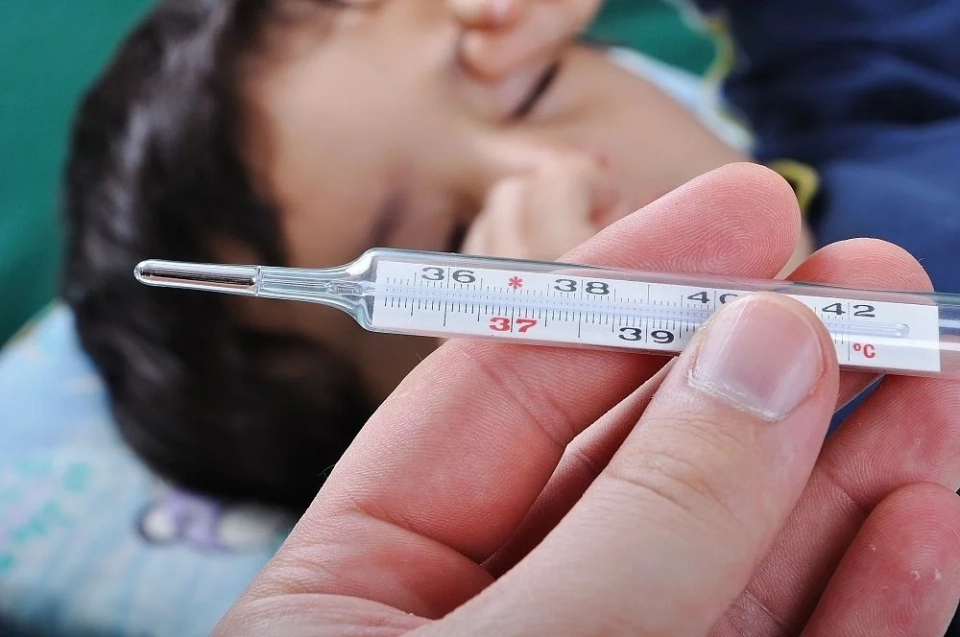
Seizures are typically observed in children aged 6 months to 5 years when body temperature rises above 38°C. This is the most common cause, and such episodes usually pass quickly.
2. Electrolyte imbalance
A deficiency or excess of substances such as potassium, calcium, and salt can lead to problems. This often occurs after severe diarrhea, during fever, or excessive fluid intake, which can cause muscle spasms and seizures.
3. Hypoglycemia
A decrease in blood glucose levels can occur due to improper nutrition or excessive physical activity in a child, which sometimes leads to seizures.
4. Neurological and infectious diseases
Conditions such as meningitis, encephalitis, traumatic brain injuries, and epilepsy can cause prolonged or recurrent seizures.
5. Reaction to medications or poisoning
Allergic reactions to medications or poisoning, such as from food or chemicals, can also lead to seizures and spasms.
How to provide first aid correctly?
- Move the child to a safe place, removing dangerous objects nearby.
- Protect the neck and head by placing the child on a soft surface.
- Do not try to hold the limbs forcefully.
- Do not put anything in the mouth!
- If seizures last more than 5-10 minutes, it is necessary to call an ambulance (103).
- After the seizure, check the child's temperature and breathing, and be sure to consult a doctor.
- Some parents make mistakes in such situations, for example, pressing on the chest or trying to put their hand in the mouth — this is extremely dangerous.
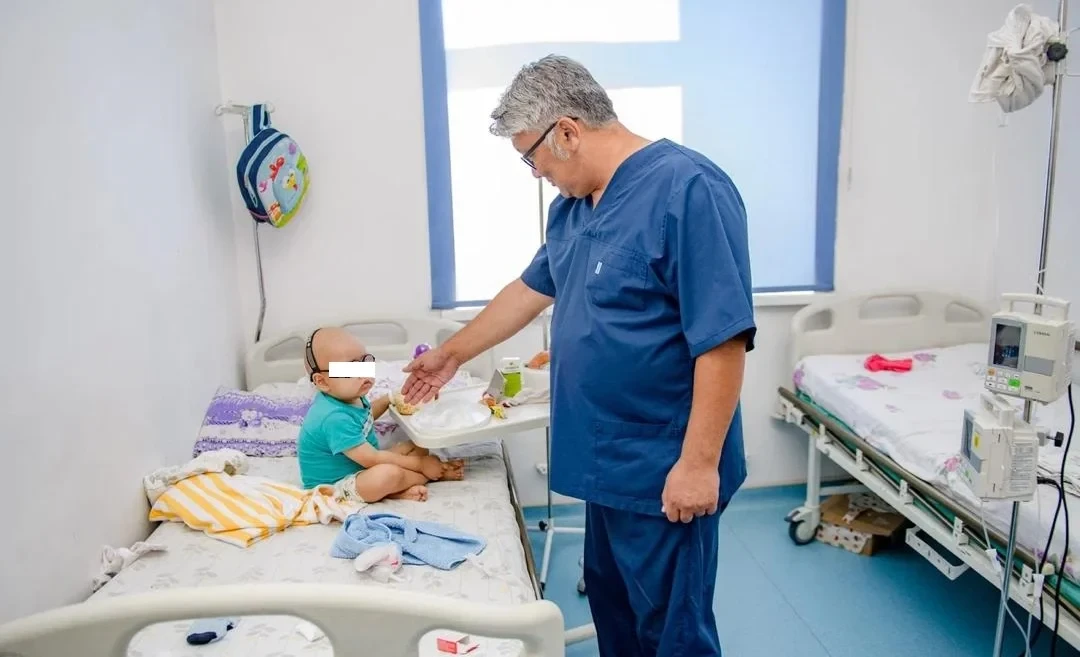
The specialist emphasizes that it is important to properly assess the child's condition, report what happened, and measure the temperature before giving medications. For example, paracetamol is often used, but many do not know the correct dosage. Additionally, improper use of water or wrapping the child in hot fabric can worsen the situation.
Lack of medical knowledge among the population is a serious problem. Although many parents blame doctors for their children's ailments, in reality, primary care and attention depend entirely on the mother or other adults caring for the child. They should know how to properly feed the baby and what assistance to provide.
Fortunately, in most cases, serious consequences can be avoided, and children recover successfully.