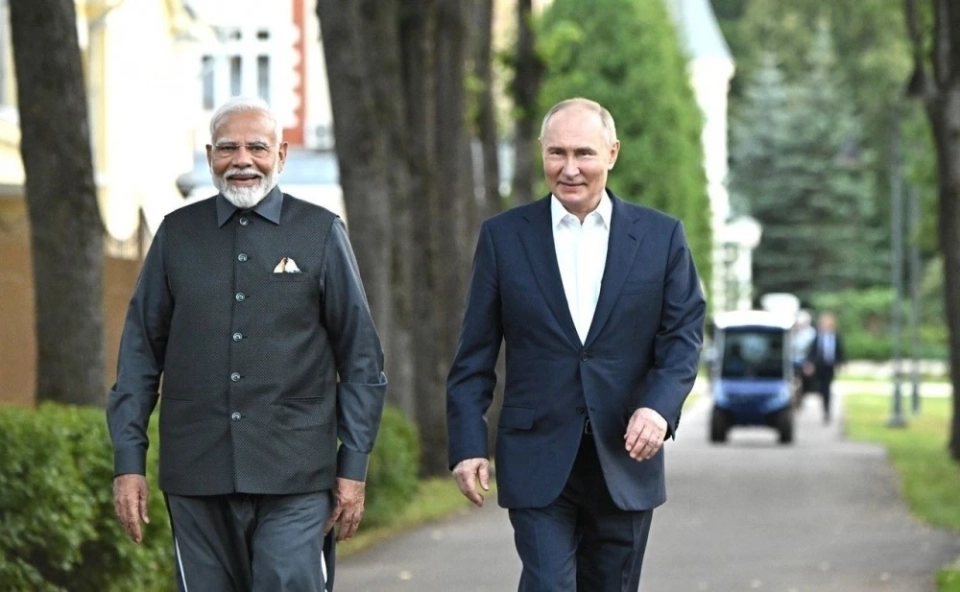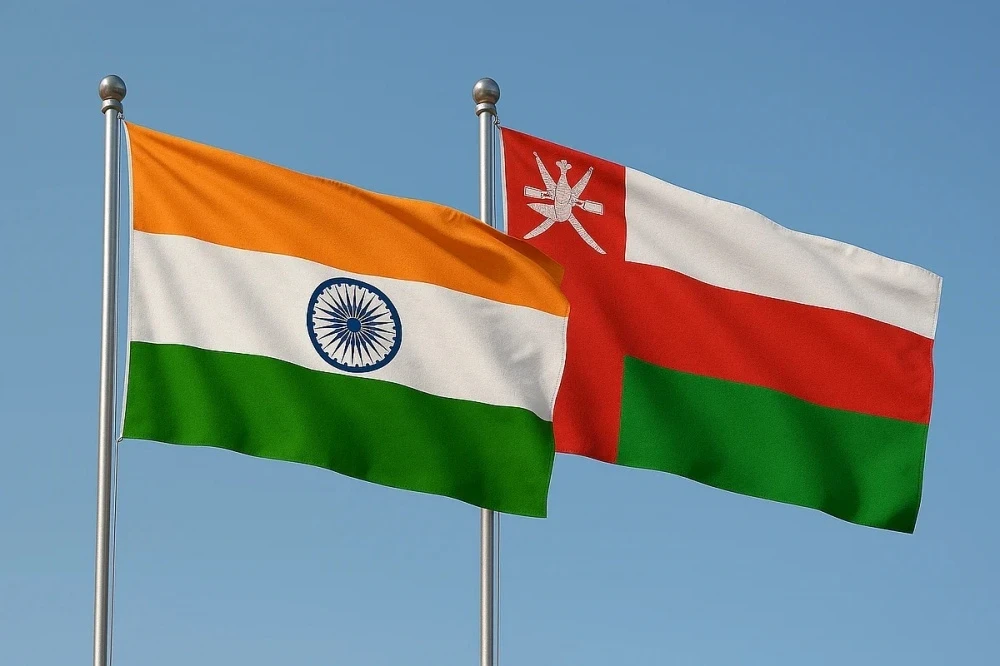
Next week, Indian Prime Minister Narendra Modi will visit Muscat, where a Free Trade Agreement (FTA) between India and Oman, officially known as the Comprehensive Economic Partnership Agreement (CEPA), will be signed. This event is not just another visit, but a landmark occasion in India's economic diplomacy and a confirmation of Oman's enduring role as a bridge between the East and the West. The FTA reflects years of trust and joint efforts between the two countries to achieve sustainable growth.
India and Oman have centuries-old ties based on trade, culture, and maritime interaction. As a sign of this special partnership, India invited Oman to participate in the G20 summit and other events as a guest country in 2023. Oman presented nine ministers at over 150 working meetings related to the G20.
The current economic relations between the two countries are actively developing: bilateral trade amounted to approximately 10.61 billion US dollars in the financial year 2024–25, which is 18.6% more than last year. India exported goods worth about 4.07 billion US dollars to Oman, while imports totaled 6.55 billion US dollars.
Oman is significant for India, being one of its largest trading partners and the fourth-largest source of imports for the country, as well as a key destination for Indian exports.
There are over 6,000 joint Indian-Omani enterprises with investments exceeding several billion dollars, confirming the active involvement of the private sector.
An important part of this strategic partnership is the deep demographic ties: the Indian community in Oman is one of the largest among foreigners. They not only contribute to remittances and cultural exchange but also actively participate in the economic life that goes beyond official statistics. Indian professionals in healthcare, engineering, and information technology play a crucial role in diversifying Oman's economy and developing its service sector.
Historically, Indian goods have entered Oman with various tariffs, despite the developed trade relations. CEPA aims to eliminate these barriers, improve market access in key sectors, and simplify regulatory conditions for cross-border trade.
For the Indian export portfolio, this agreement has significant implications. The reduction of barriers will open new opportunities for engineering goods, pharmaceuticals, chemicals, textiles, and processed agricultural products, expanding access not only to Oman's markets but also leveraging its strategic position as a transit hub. At the same time, Oman's natural resources, such as petrochemicals, logistics infrastructure, and location on key maritime routes, will provide Indian companies with opportunities to expand into the markets of the Middle East and Africa.
The signing of the FTA comes against the backdrop of changes in global economic relations. Countries are actively forming regional partnerships to enhance economic resilience, reduce supply chain vulnerabilities, and strengthen strategic autonomy. In this context, India's economic engagement with the Gulf, supported by CEPA with the UAE since 2022, gains new momentum with the agreement with Oman, offering a model for further cooperation within the Gulf Cooperation Council (GCC).
Oman is also undergoing an ambitious economic transformation under its Vision 2040 strategy, aimed at diversifying the economy beyond the oil and gas sector. The FTA aligns with this strategy, facilitating foreign investment, supporting entrepreneurship, and promoting technology exchange.
As Prime Minister Modi signs the FTA during his visit, this agreement promises to change the dynamics of Indian-Omani relations in economic, strategic, and cultural contexts. It represents not only tariff concessions but also a mutual commitment to shared prosperity, leveraging demographic advantages, and creating sustainable pathways for growth.
The signed agreement could breathe new life into one of the key categories of Indian exports to Oman—engineering goods, which have recently faced challenges in the global economy.