The countries discussed the fight against terrorism and economic cooperation
During his visit to Jordan, Indian Prime Minister Narendra Modi met with King Abdullah II, where both countries expressed a unified stance against terrorism. The main focus of the talks was on further developing economic interaction, including the signing of several agreements in the fields of renewable energy and digital technologies.
During his visit, which is taking place at the invitation of the king, Modi proposed to double the volume of bilateral trade to $5 billion over the next five years. He also urged Jordanian businesses to consider investing in the Indian economy, which is demonstrating steady growth and stability.
Modi is in Jordan as part of a four-day tour that also includes trips to Ethiopia and Oman. During his visit, he and King Abdullah II spoke at the Indo-Jordanian Business Forum, which included participants such as Crown Prince Hussein and the Jordanian Minister of Trade and Investment.
Both leaders emphasized the importance of strengthening business ties and urged business representatives to seize existing opportunities for mutual growth. King Abdullah II noted that the free trade agreements signed by Jordan, along with India's economic strength, could contribute to the creation of an economic corridor between South and West Asia.
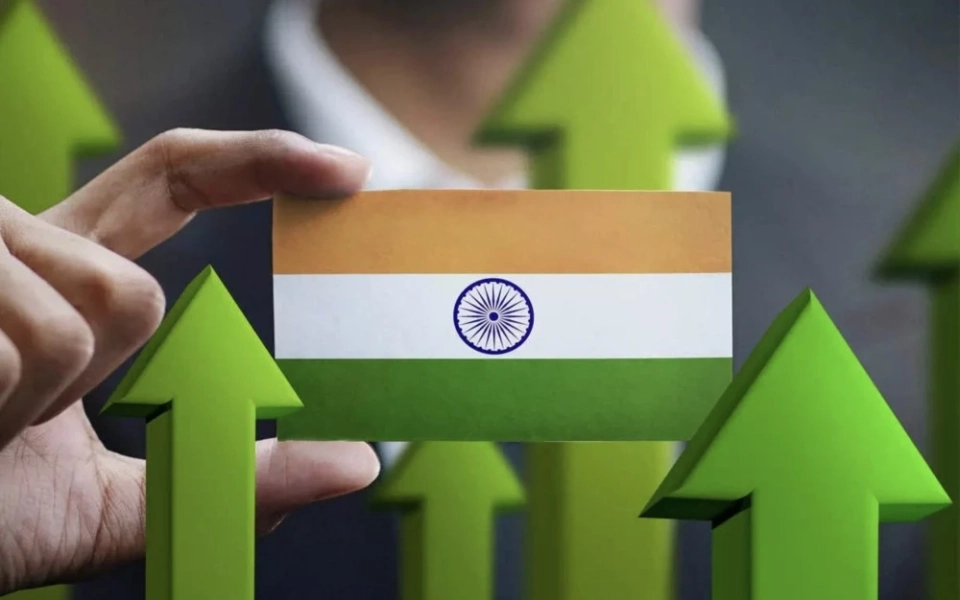
At the forum, Modi highlighted India's status as one of the fastest-growing economies in the world, moving towards becoming the third-largest economy. He noted that this opens new opportunities for Jordan and other countries.
“The ties between India and Jordan represent a combination of historical trust and future economic prospects,” he said.
The Prime Minister invited Jordanian companies to collaborate with India, emphasizing access to a market of 1.4 billion consumers and a developed manufacturing base. He also pointed out that the Indian economy is growing by more than 8% due to effective management and innovative policies.
Modi added that while India is Jordan's third-largest trading partner, his goal is not just numbers but also the creation of sustainable partnerships that go beyond statistics. According to him, there is a strong modern partnership between the two countries based on deep civilizational ties.
During his speech, the Prime Minister highlighted the potential for cooperation in areas such as digital infrastructure, IT, fintech, healthcare, and agricultural technologies, and invited startups from both countries to collaborate. He noted that India's strong positions in pharmaceuticals and medical equipment manufacturing could help Jordan become a hub for West Asia and Africa.
Modi also pointed out opportunities for cooperation in agriculture, supply chain development, the creation of food parks, fertilizer production, infrastructure, automotive manufacturing, and cultural tourism. In discussing "green" initiatives, he proposed joint work in renewable energy and water desalination.
The forum gathered businesspeople from various sectors, including infrastructure, healthcare, pharmaceuticals, agriculture, and others. The Indian delegation included representatives from the Federation of Indian Chambers of Commerce and Industry (FICCI) and the Jordan Chamber of Commerce, who signed a memorandum of understanding to develop trade and economic cooperation.
Photo www