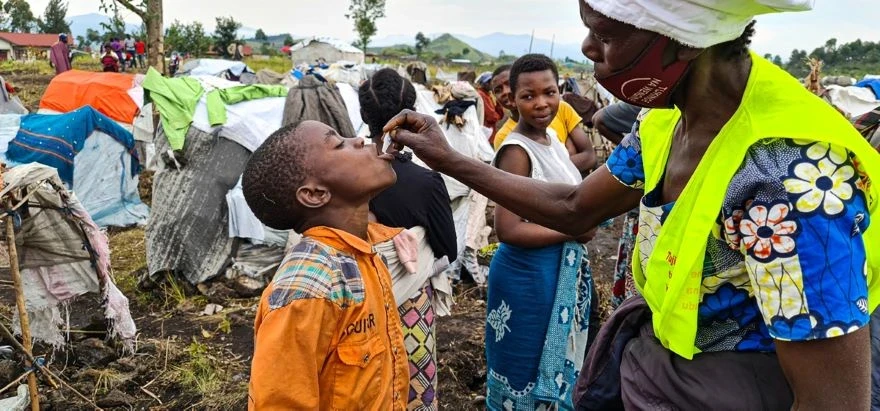
“To achieve success, it is necessary for 90% of girls to be vaccinated, 70% of women to undergo screening, and the majority of patients to receive the necessary treatment,” noted the organization's experts.According to WHO, cervical cancer is most commonly found among women who do not have access to medical services. These are primarily women from low- and middle-income countries. The highest number of cases and deaths is observed in Central America, Southeast Asia, and regions of Africa south of the Sahara.
Women with HIV have a six times higher likelihood of developing cervical cancer compared to those who are not infected.
Possible symptoms include:
- unusual bleeding outside of menstruation, after sexual intercourse, or during menopause;
- heavy vaginal discharge;
- discomfort in the vaginal area;
- pain in the pelvic area, legs, or back;
- weight loss and loss of appetite;
- persistent fatigue;
- swelling in the legs.
Photo on the main page is for illustrative purposes: dilanyanclinic.ru.