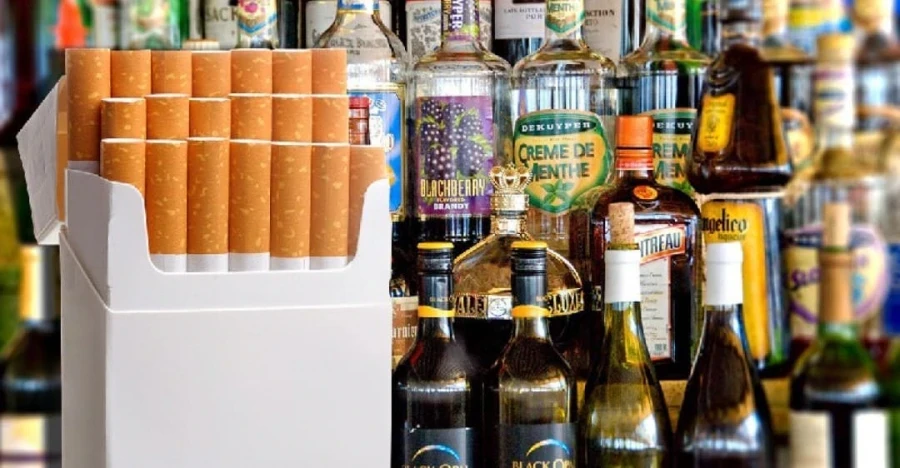
According to 2019 data, nearly 145,000 deaths from injuries in the WHO European Region were related to alcohol consumption. The most common causes of these tragedies were self-harm, road traffic accidents, and falls. According to experts, no other psychoactive substance causes such significant harm, both accidental and intentional.
Karina Ferreira-Borges, WHO regional advisor on alcohol, highlights that alcohol is not only a cause of many chronic diseases, including seven types of cancer, but also significantly reduces the ability to control behavior, impairing coordination and reaction time and increasing the risk of risky behaviors.
The Link Between Alcohol and Violence
Alcohol remains one of the most stable factors provoking aggression and violence. In 2019, approximately 26,500 cases of deaths from violence were recorded, over 40% of which were related to alcohol consumption.WHO emphasizes that the negative impact of alcohol extends not only to those who consume it but also to those around them – especially women and children. Alcohol consumption is a significant risk factor for violence from intimate partners. Moreover, official data reflects only a small part of the actual scale of the problem, as many cases go unnoticed due to stigma and fear of seeking help.
Danger to Youth
WHO is particularly concerned about the impact of alcohol on youth and adolescents. In this age group, alcohol is one of the leading factors leading to disability and premature death, primarily due to injuries.According to Jonathon Passmore, WHO regional advisor on road safety, although young people are less likely to consume alcohol regularly, they tend to consume large amounts in a short period of time. This significantly increases the risk of road traffic accidents, drownings, falls, as well as violent actions and self-harm. Additionally, alcohol negatively affects brain development, impairing memory, learning ability, and decision-making skills, which can lead to long-term consequences.
Proposals for Addressing the Problem
WHO calls on countries in the region to take active and targeted actions. Among the most effective measures, experts highlight increasing prices and taxation on alcohol, restricting the time and places of its sale, strict control of alcohol marketing, as well as tightening controls on driving under the influence, and implementing early detection of alcohol problems in healthcare facilities.In anticipation of the holiday season, WHO reminds of the importance of moderation in alcohol consumption, refraining from driving after drinking, and being attentive to one's own condition, which can significantly reduce the risk of both unintentional and intentional injuries.
Illustration on the main page: tass.ru.