The document outlines various strategies aimed at tackling this issue—from legislative reforms at the state level to local innovative services. These examples demonstrate how health systems can integrate the principles of inclusion into their daily practices and health care programs.
“Despite the progress made, people with disabilities continue to face significant and, importantly, preventable inequalities, including a reduction in average life expectancy by 20 years compared to those without disabilities,” the report emphasizes. It also notes that government structures, medical institutions, and organizations of people with disabilities are working together to improve the situation.
“In all the examples presented, a common idea emerges: inclusive health care should not be viewed as a separate project,” explained WHO technical officer in Europe, Shirin Kiyani. “When states adopt a systematic approach, supported by stable funding and clear governance structures in collaboration with organizations of people with disabilities, changes become sustainable and long-lasting.”
The report includes examples from various countries in the region, such as:
- sign language interpretation services in Azerbaijan, ensuring full interaction between deaf individuals and healthcare workers;
- specialized early breast cancer detection programs for women with intellectual disabilities in Ireland;
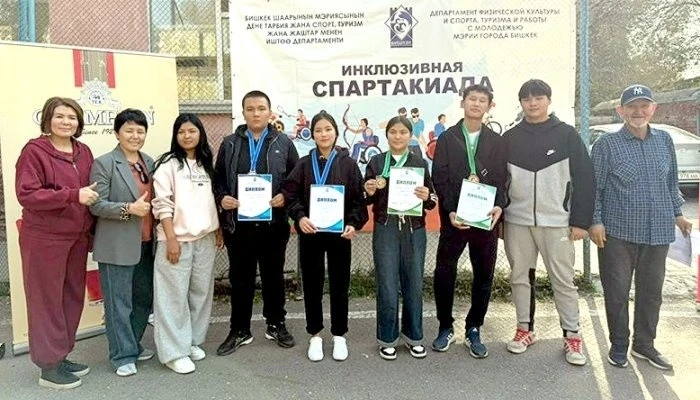
- initiatives in inclusive sports and physical culture in Turkmenistan, promoting health and social integration;
- an emergency preparedness system in Iceland that takes into account the needs of people with disabilities.
The concluding part of the report emphasizes that mere awareness of the issues will not lead to change. Infrastructure improvements are necessary, which will only be effective with reliable data systems and enhanced accessibility standards.
The photo on the main page is illustrative: Unsplash/G. Chao.