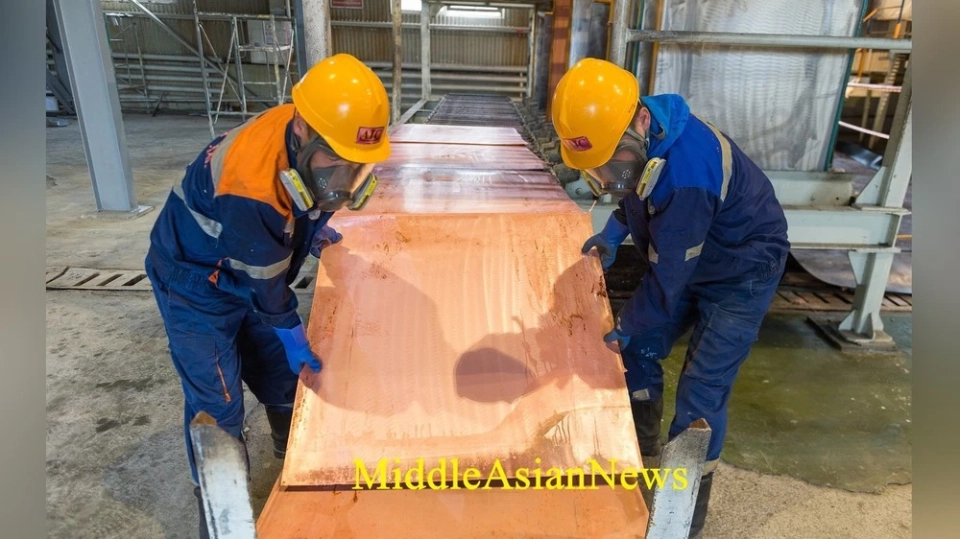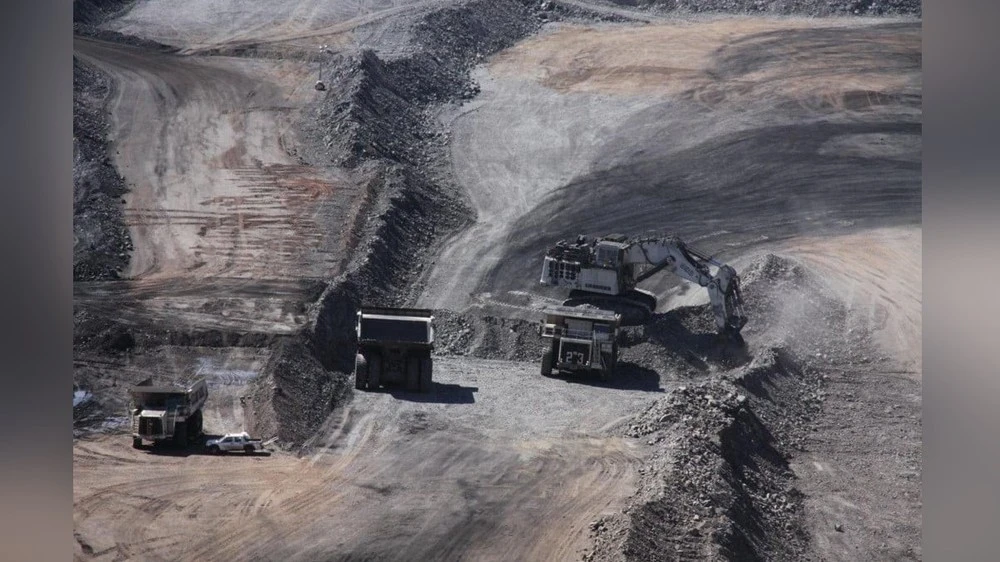
This year, Mongolia aims to achieve targets of 90 million tons of coal, 1.9 million tons of copper, and 9.4 million tons of iron ore.
During the discussion on the implementation of the strategy for the development of industry and mineral resources until 2026, it was noted that the country has issued 1,031 licenses for mineral exploration and 1,771 licenses for their development. However, there is a significant discrepancy between the number of exploration licenses and development licenses, which creates risks for the sustainable development of the sector in the future.
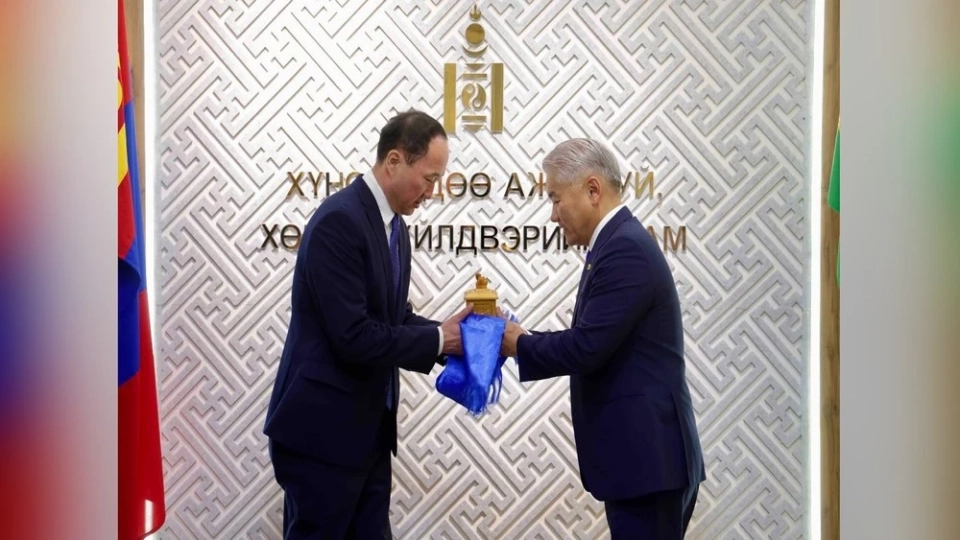
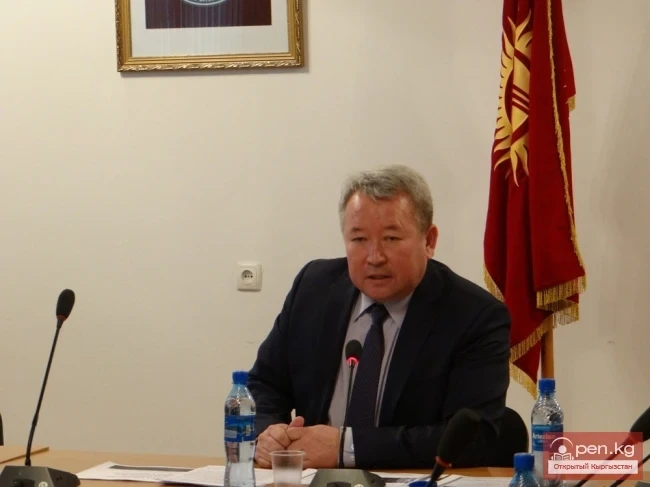
The meeting was attended by the First Deputy Prime Minister and Minister of Economy and Development Enkhbayar Jadamba, as well as the Deputy Minister of Economy and Development Davaasuren Sodnomdarjaa. They discussed current policies in the sector, the implementation of key projects, and plans for 2026.
Deputy Minister Davaasuren Sodnomdarjaa emphasized the importance of reviewing the ratio between licenses and requested specific timelines and funding volumes necessary to restore balance between exploration and development of deposits.
Representatives of the Ministry of Industry and Mineral Resources noted that investments in geological exploration are the foundation for sustainable growth in the mining sector and should be included in the budget declaration for 2026–2028. Mongolia also aims to meet international standards, including:
- Sustainable financing for the geological sector (similar to practices in resource-dependent economies);
- Transparent methodology for calculating royalties for the use of subsoil;
- Mandatory allocation of part of the royalties for the development of regions where extraction is taking place, which contributes to the social and economic development of local communities and improves public support for projects.
As a result of the meeting, participants agreed to enhance cooperation between ministries to improve policies in the mining sector, stimulate economic growth, and create a favorable investment environment.
The Ministry of Industry declared 2026 as the "Year of Policy Reform" and began the implementation of six priority projects within the framework of 14 strategic megaprojects. These include: a joint Mongolian-French uranium project, coal-chemical and coke-chemical complexes, a copper smelting plant, steelmaking and oil refining plants, as well as a gold processing plant.
To attract investments and improve the business climate, changes to legislation concerning mineral resources, heavy industry, oil, and petroleum products are planned to be considered during the spring session of the Great State Khural.