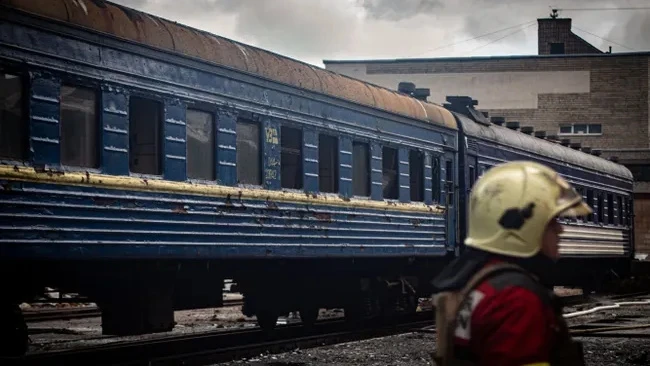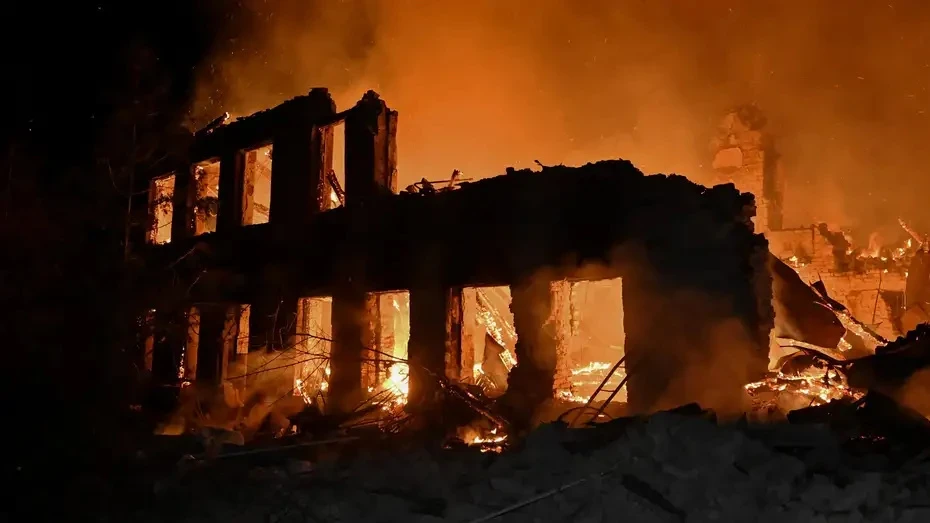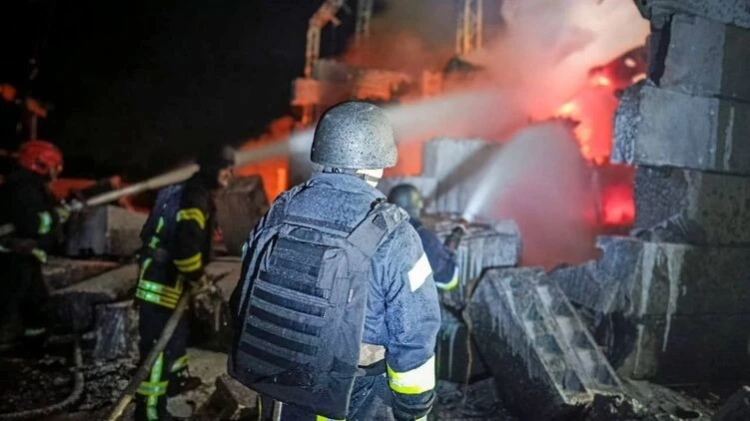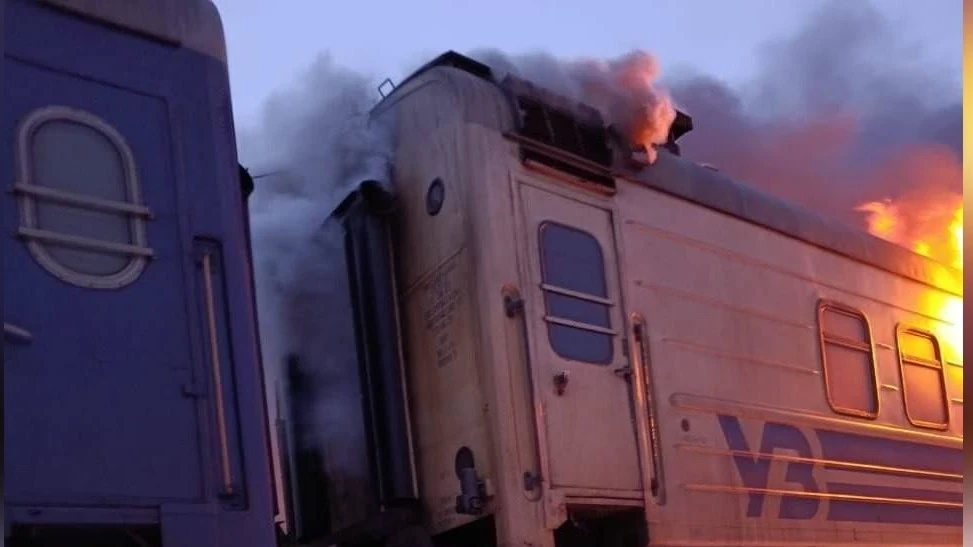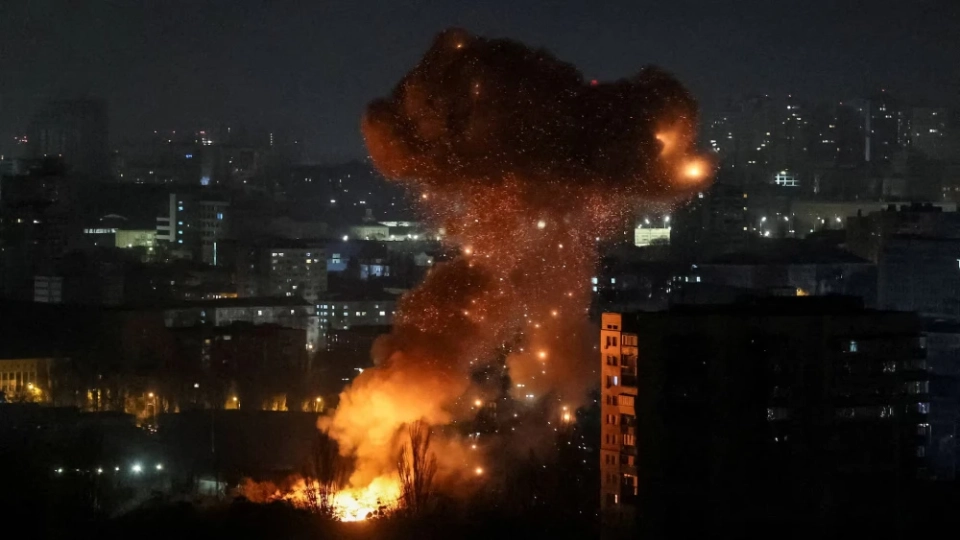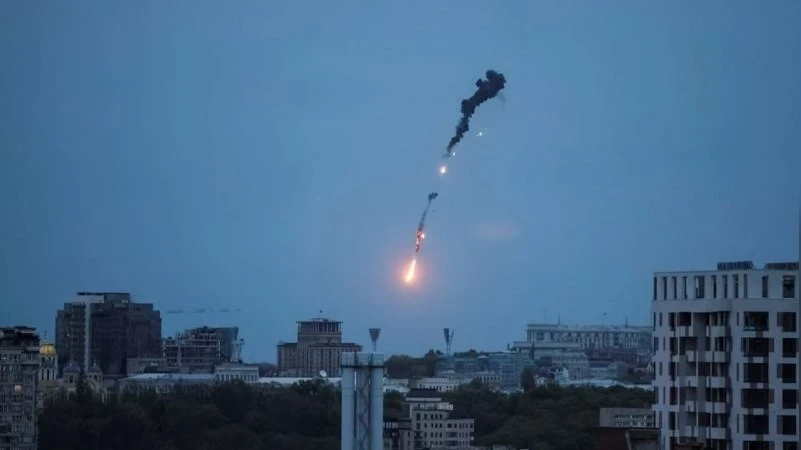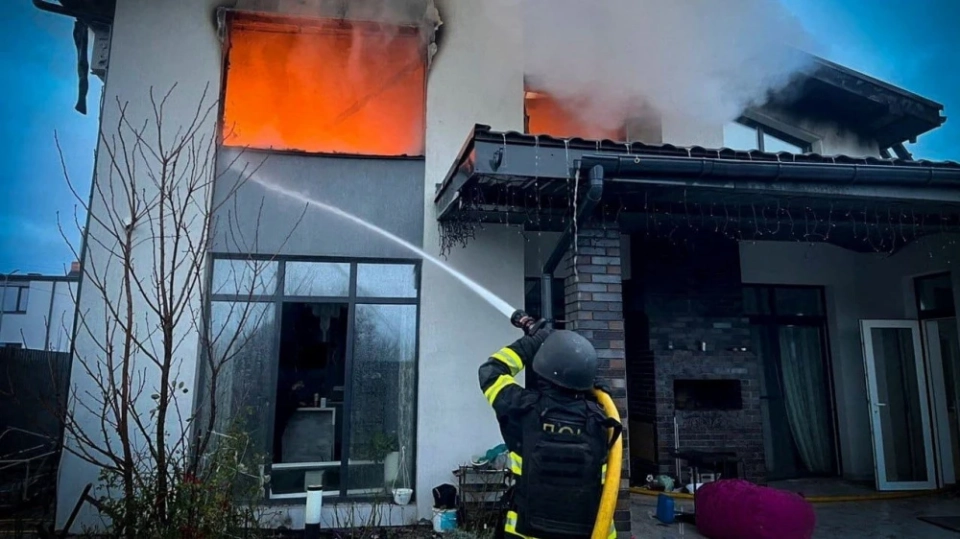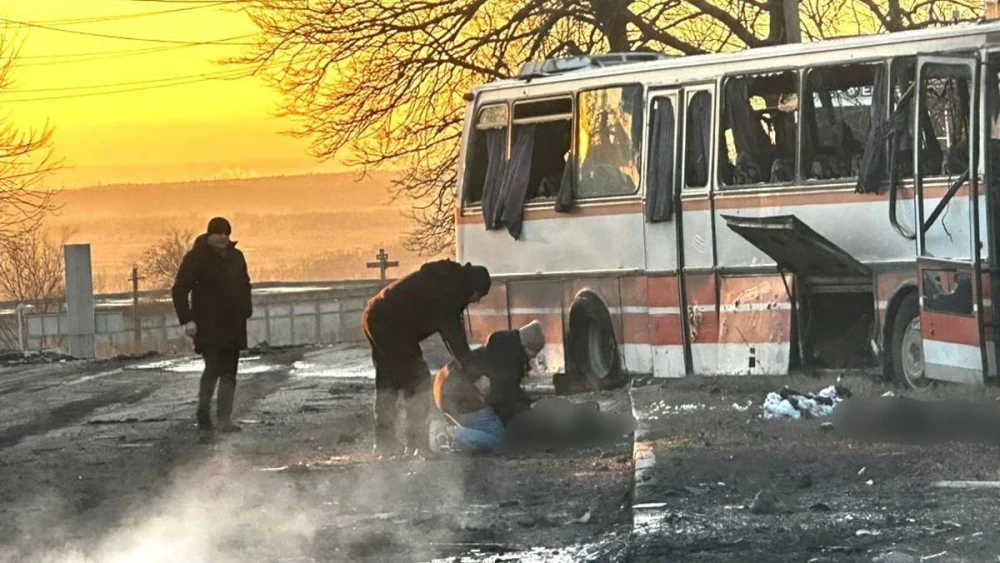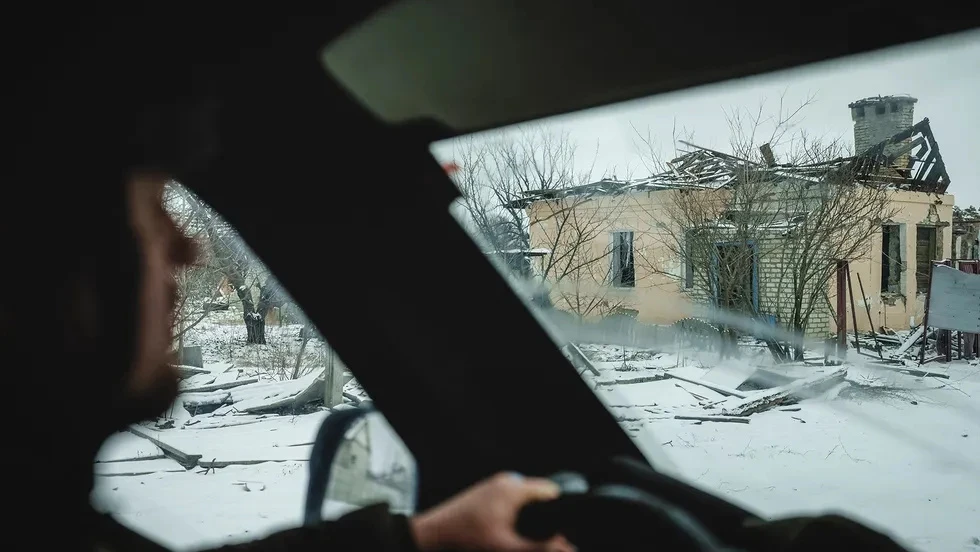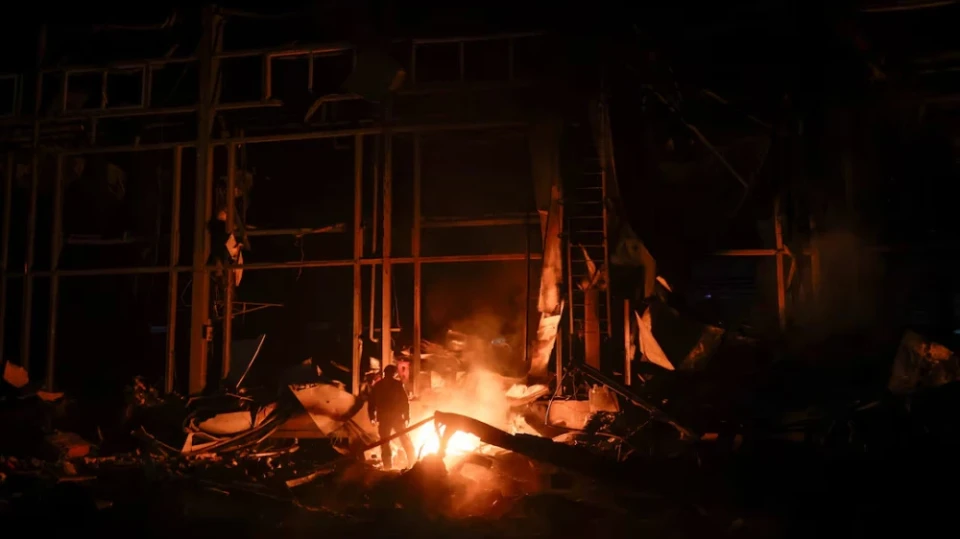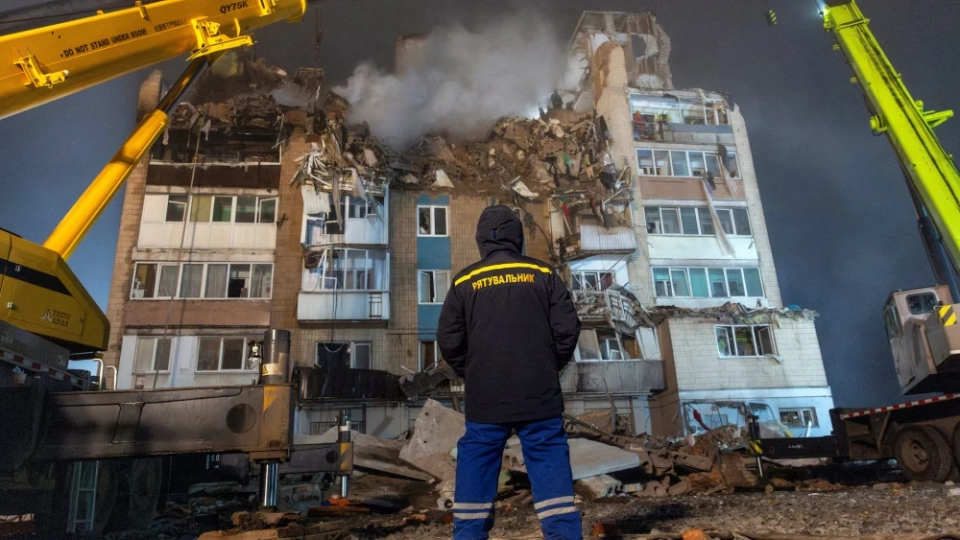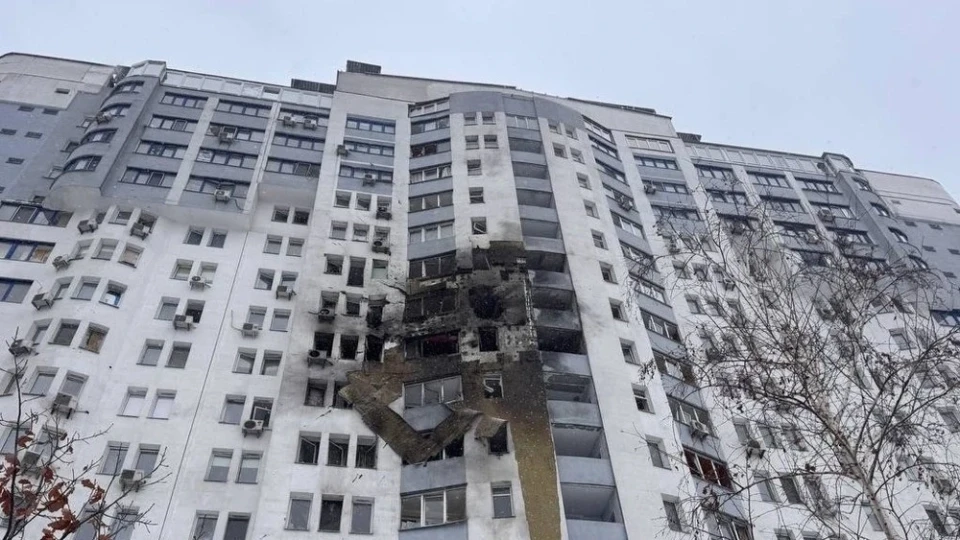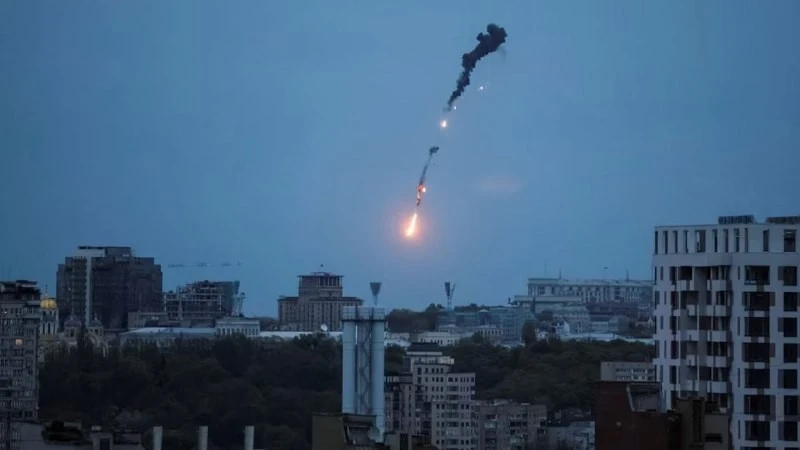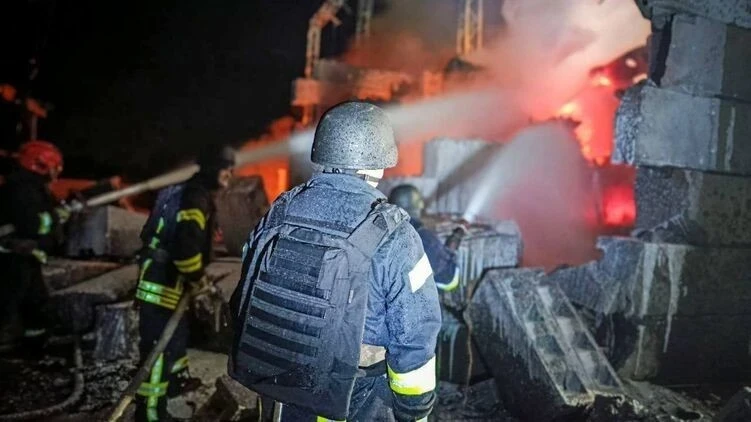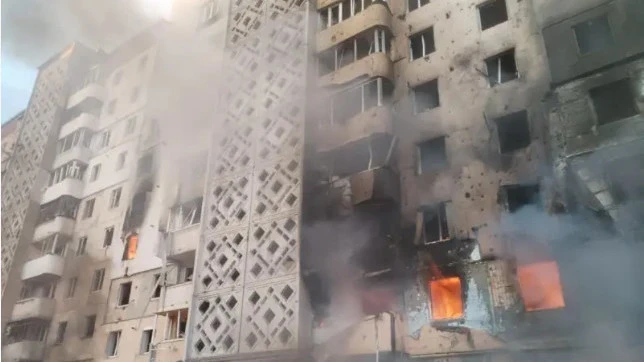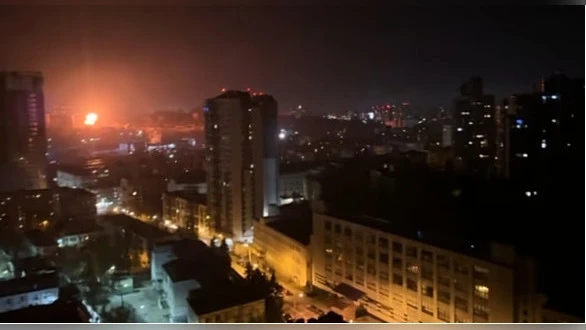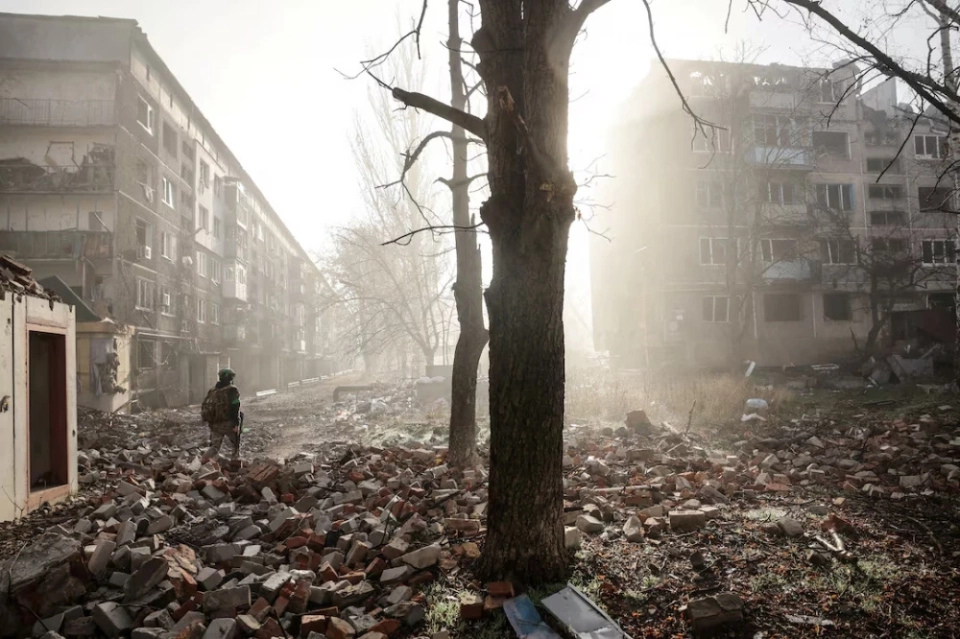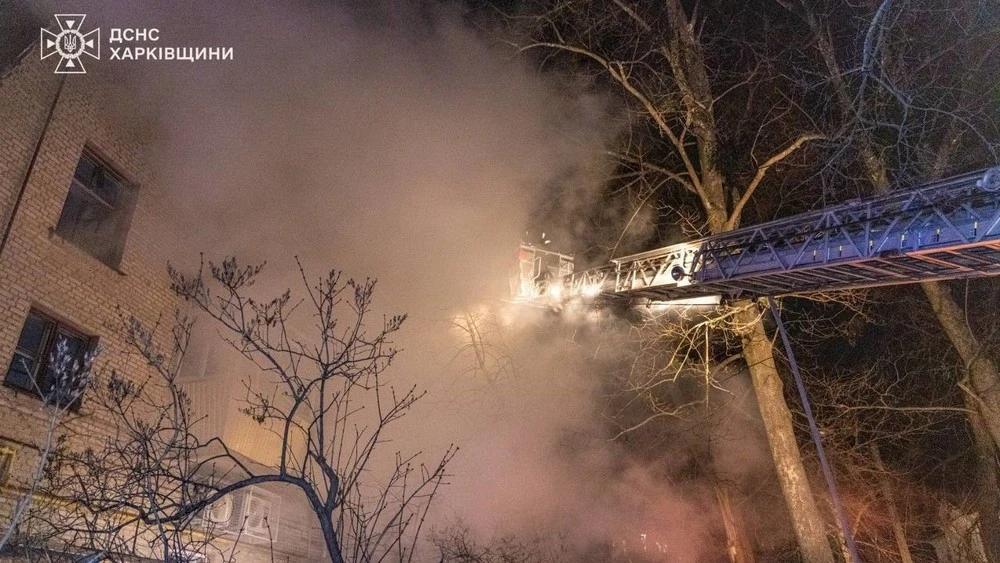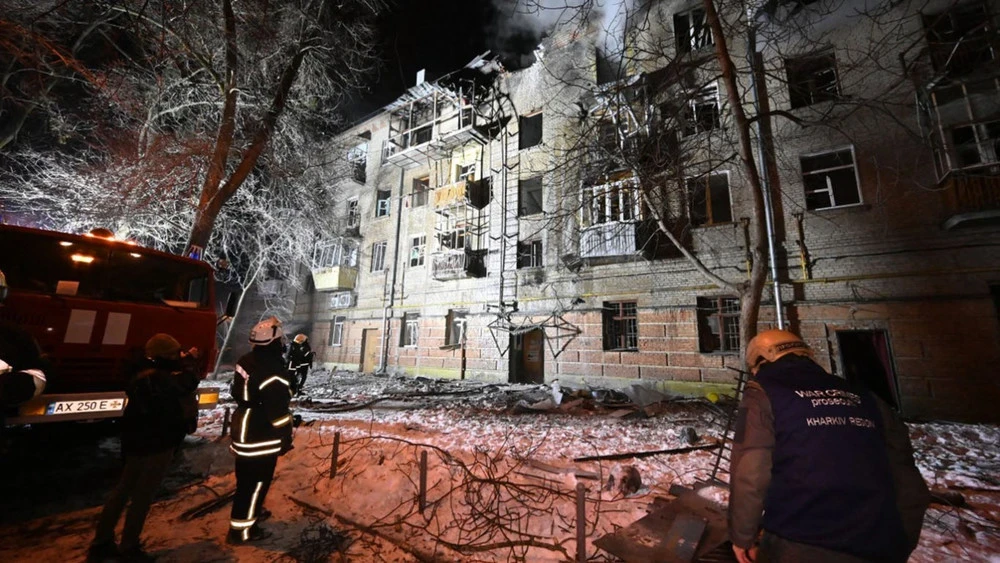
According to Tkachenko, multi-story buildings in the Darnytskyi, Dniprovskyi, and Shevchenkivskyi districts of Kyiv were damaged, as well as non-residential buildings and gas stations. As a result of the strike, three people were reported injured, according to the State Emergency Service.
Igor Terekhov, the mayor of Kharkiv, noted that Russian troops are deliberately targeting the city's energy infrastructure. “The goal of these actions is maximum destruction and leaving the city without heat in the conditions of severe frost,” he wrote on his Telegram channel.
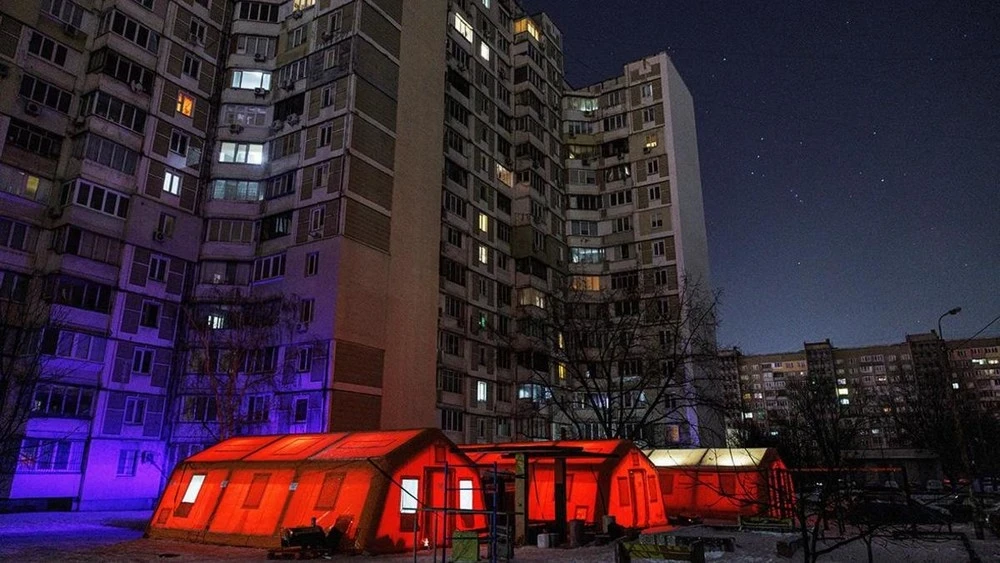
According to him, authorities decided to drain water from the heating systems in 820 buildings that depend on one of the major thermal power plants. “In conditions of twenty-degree frost, this is extremely difficult. However, the unprecedented attack by the enemy leaves us no other choice. Our specialists see no other way out. All 101 points of invincibility will operate around the clock, where people can warm up, drink hot beverages, and charge their devices. If necessary, we will promptly deploy additional heating points,” Terekhov added.
According to the head of the regional administration, Oleg Synegubov, two men aged 27 and 58 were injured in Kharkiv as a result of the strike.
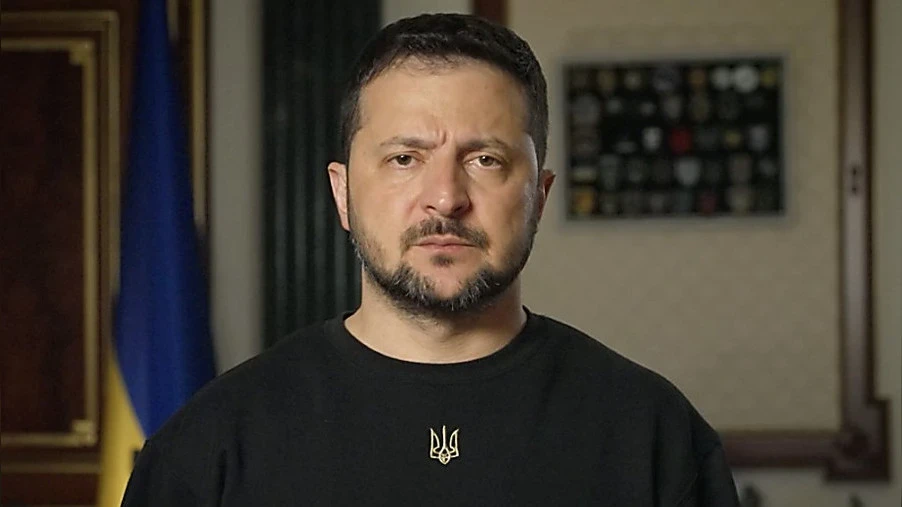
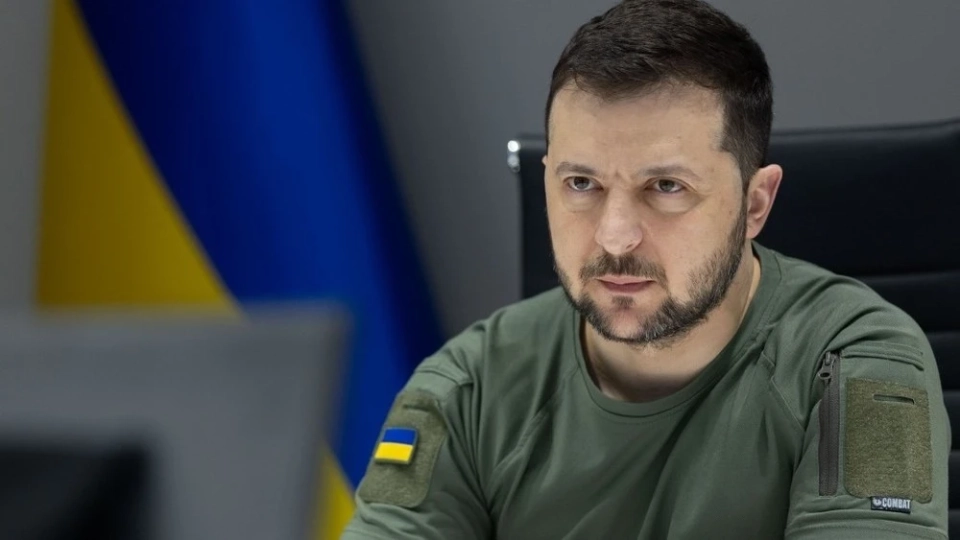
On February 2, the Ministry of Energy of Ukraine reported that Russian troops had resumed attacks on the country's energy infrastructure. As a result of these attacks, consumers in Kharkiv, Sumy, Dnipropetrovsk, and Cherkasy regions were left without electricity. However, soon President Volodymyr Zelensky refuted information about “targeted strikes” by Russia on energy facilities within a day.
As for the Kremlin, they did not comment on the duration of the energy truce, which was reportedly supposed to last until February 1. “I have nothing to add to what I said at the previous press conference, which specifically addressed February 1,” said Dmitry Peskov.