According to Rawadari, the new code includes three sections, ten chapters, and 119 articles. Human rights defenders believe it sharply contradicts international human rights norms and principles of fair trial. This document lacks important rights such as the right to legal defense, the right to remain silent, and the right to compensation for damages, while minimum and maximum sentences are not defined. The main evidence of guilt in the code includes confessions and witness testimonies, which, as noted by human rights defenders, creates a high risk of torture.
Furthermore, Rawadari emphasizes that this code enshrines discrimination against religious minorities. It recognizes only followers of the Hanafi school as Muslims, while representatives of other sects and religions are effectively left without legal protection. Some articles, according to the organization, allow for criminal prosecution and even the killing of individuals accused of defending "false beliefs" or criticizing religious norms.
The document also introduces a class division in society: punishment for the same crime depends on the social status of the accused, ranging from "recommendation" for religious scholars to imprisonment and corporal punishment for representatives of the "lower class." Several articles use the term "slave," which, according to human rights defenders, violates the absolute prohibition of slavery in international law.
Rawadari emphasizes that the code criminalizes dissent and criticism of the "Taliban." It provides for liability for criticizing the leader's decisions, "insulting the leaders of the Taliban," and refusing to inform on regime opponents. Some provisions effectively encourage vigilantism, allowing individuals to punish "sinners."
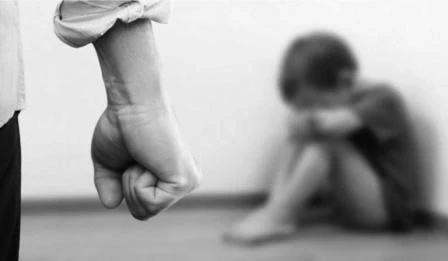
Particular attention in the report is given to violence against women and children. Rawadari believes that the document permits a wide range of physical violence, minimally limiting responsibility for beating children and wives, as well as introducing criminal penalties for women who leave the house without their husband's permission.
Against this backdrop, human rights defenders remind that in July 2025, the International Criminal Court issued arrest warrants for the leaders of the "Taliban."