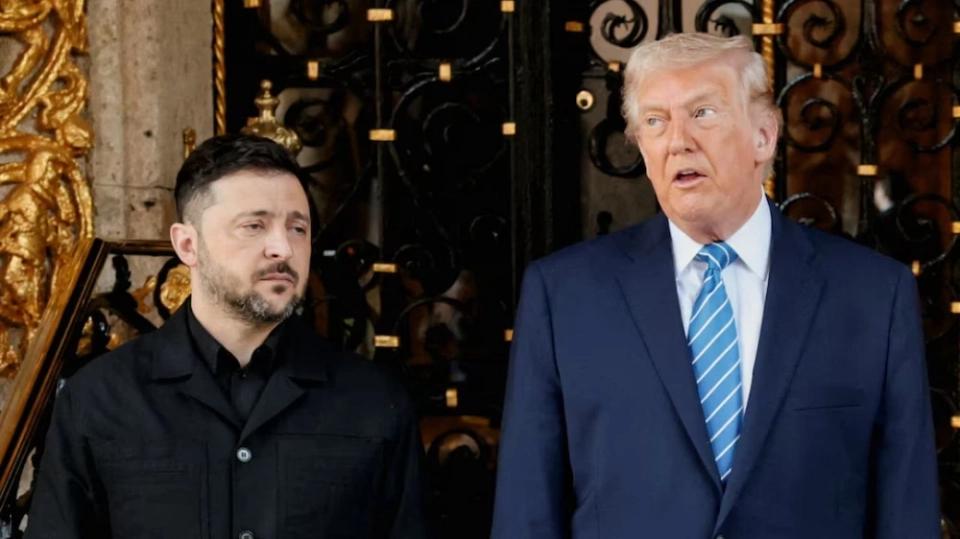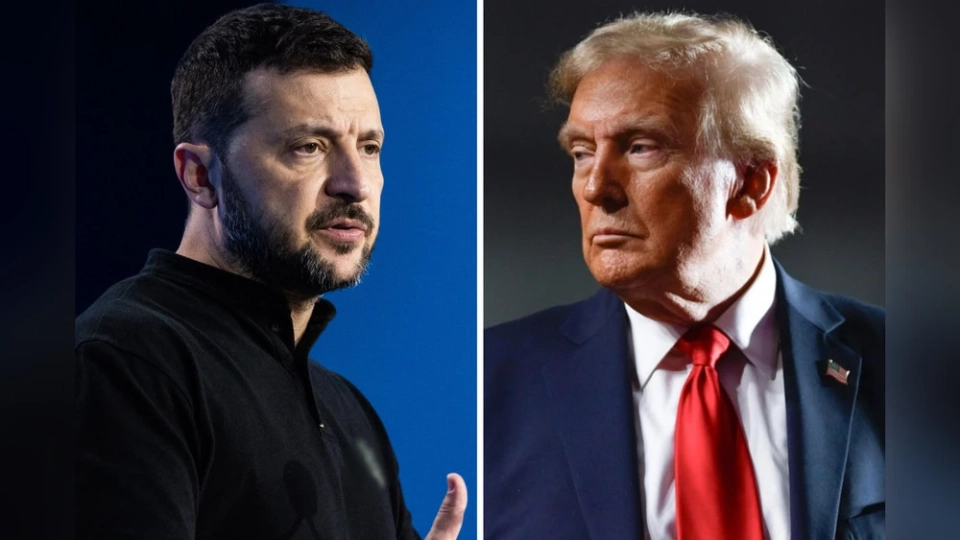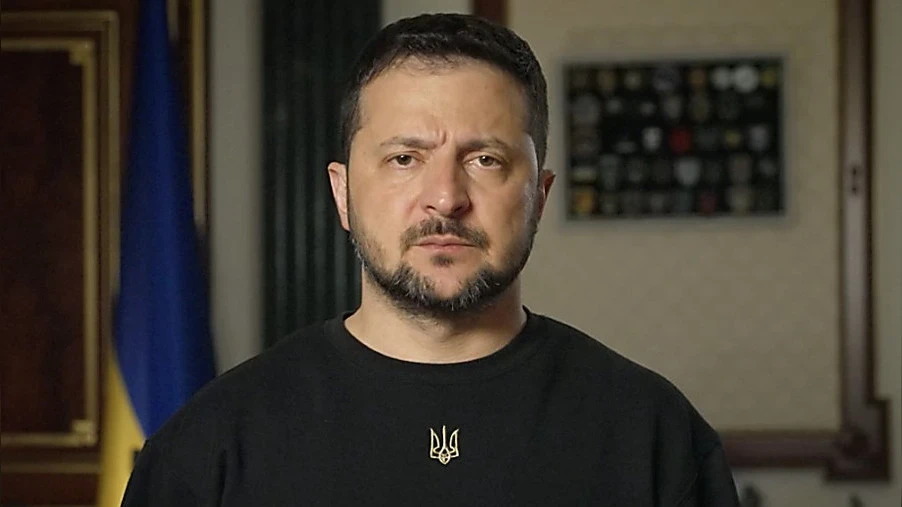
In an interview with journalists, Zelensky stated: “I am hearing for the first time that elections may be announced on February 24 [2026]. The first mention was in the Financial Times, and now — from you. I have repeatedly emphasized that elections will only take place if all necessary security guarantees are in place.”
The president added that the initiative to discuss elections does not come from Ukraine, but from its allies. He noted that Ukraine is ready for voting, but the main obstacle remains security. “It’s very simple: if a ceasefire is achieved, elections can be held,” he said.
Zelensky also clarified that his delegation is aware of his position on this issue and is ready to work with any proposed timelines from American partners. However, when it comes to a referendum, he pointed out the need to understand the conditions of the ceasefire, as a referendum is essentially similar to elections. This was his response to the question of whether the date of May 15 was discussed as a possible election and referendum day with the American side.
He also noted that the United States does not threaten Ukraine with the cancellation of security guarantees, not linking them to the issue of elections, which was also mentioned in the Financial Times publication.
According to Ukrainian legislation, elections, including presidential ones, cannot be held under martial law. Due to the current hostilities, the elections to the Verkhovna Rada, scheduled for 2023, and the presidential elections, planned for 2024, have not taken place.
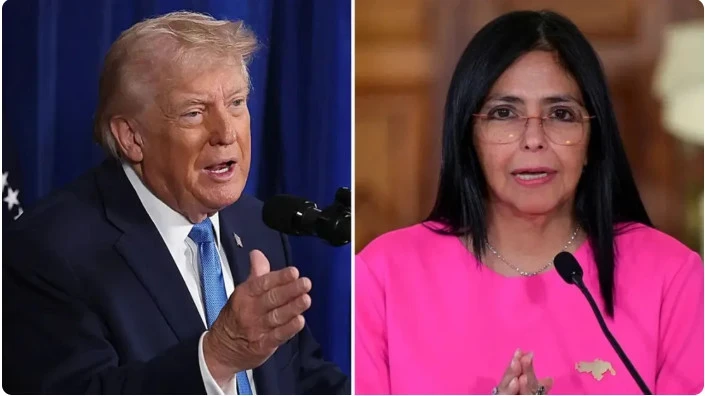
Against the backdrop of peace negotiations, U.S. President Donald Trump stated that “the time has come” to organize elections in Ukraine. In response, Zelensky expressed readiness to hold elections within 60-90 days if the U.S. and Europe ensure security.
He also proposed establishing a ceasefire regime during the elections. In turn, Vladimir Putin noted that Russia is “ready to consider” not striking Ukraine on election day.