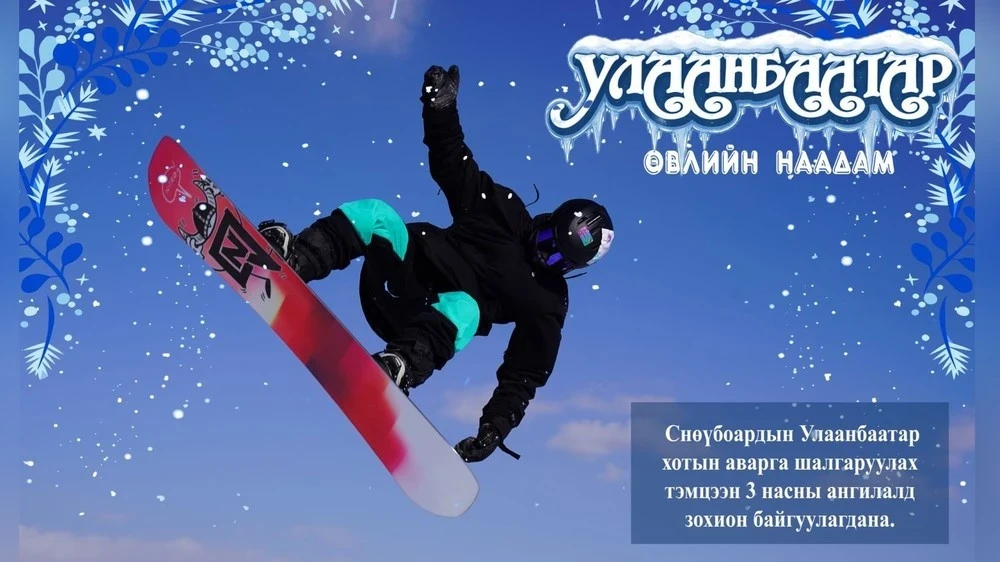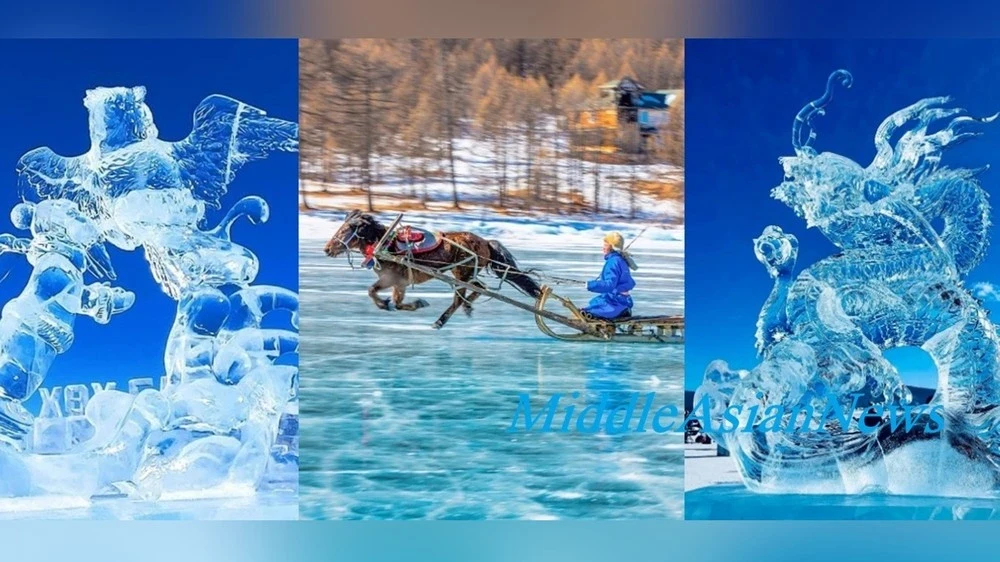
In order to expand the annual ice festival "Blue Pearl" and stimulate tourist activity, the organizers plan to create an ice village "Wonderful Khuvsgul" with a budget of ₮150 million. This was reported by MiddleAsianNews.
🤩 Immerse yourself in the atmosphere of Mongolia's Blue Pearl at the Ice Festival!
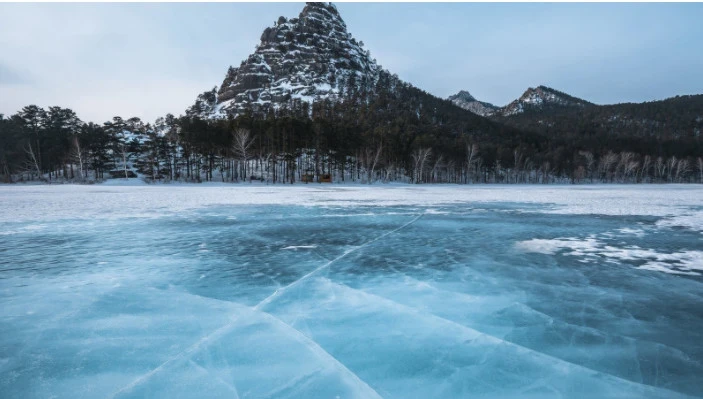
The Ice Festival "Blue Pearl," originally organized in 2000 to protect Lake Khuvsgul and promote winter tourism, has become the largest and most memorable ice celebration in Mongolia since 2001. This year, the event is scheduled for March 2-3, providing participants with unique winter experiences.
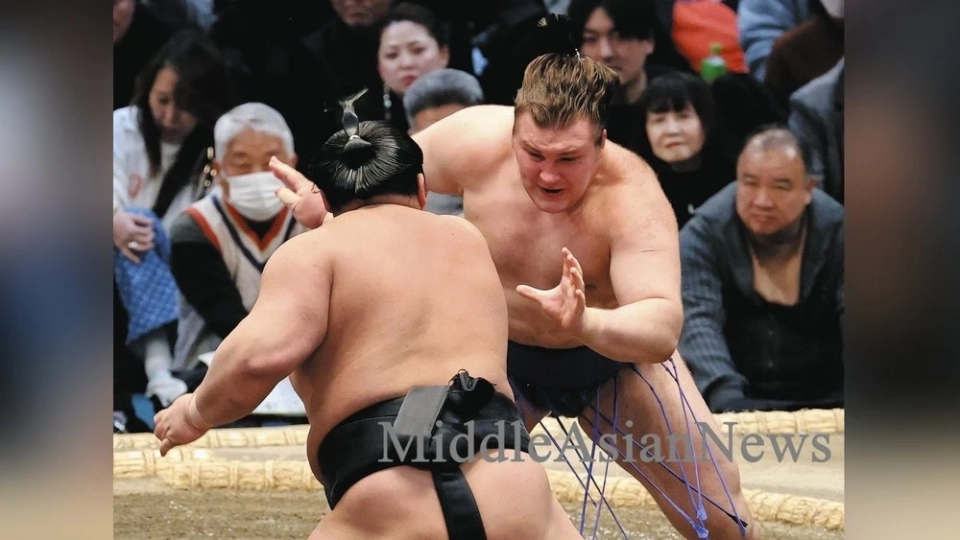
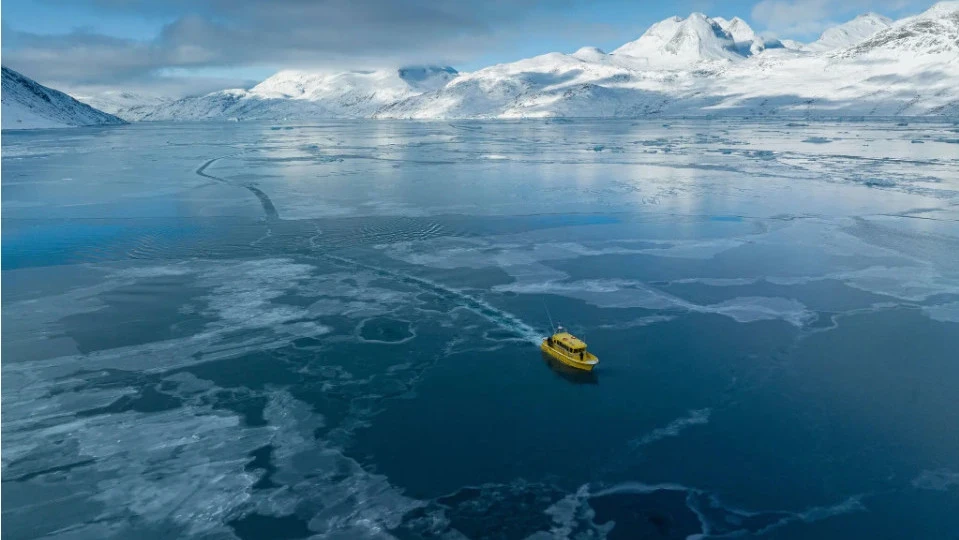
🌊 This event takes place on Mongolia's largest freshwater lake, which is also one of the oldest in the world, with an age of about 2 million years. The festival offers spectators ice sculptures, sledding, and even sumo wrestling on ice.
🧊⛸️ The frozen lake becomes an active playground for entertainment, allowing tourists to enjoy the ice festival in the company of rare Mongolian reindeer and to learn about the traditional lifestyle of reindeer herders.
In recent years, the festival has become incredibly popular. In 2024, it is expected to attract around 50,000 visitors from both Mongolia and other countries, which is five times more compared to previous years.
💎 Khuvsgul: The Winter Pearl of Mongolia
Khuvsgul, located in the eponymous aimag, is the deepest lake in the country and a favorite destination for recreation at any time of the year. Due to the growing popularity of the region, the government has declared it a tourism development zone in 2024. Here, one can see stunning natural landscapes and meet the spirit people known as Tsaatan, referred to in Mongolia as the "people with reindeer."
🦌 Reindeer are a vulnerable species according to the IUCN Red List, and their population in Mongolia is around 2,400 individuals.
In conclusion… The presence of reindeer, combined with the natural beauty of the lake and the vibrant events of the festival, makes Khuvsgul a unique cultural and ecological destination. This region has significant potential for further development of winter tourism in Mongolia.