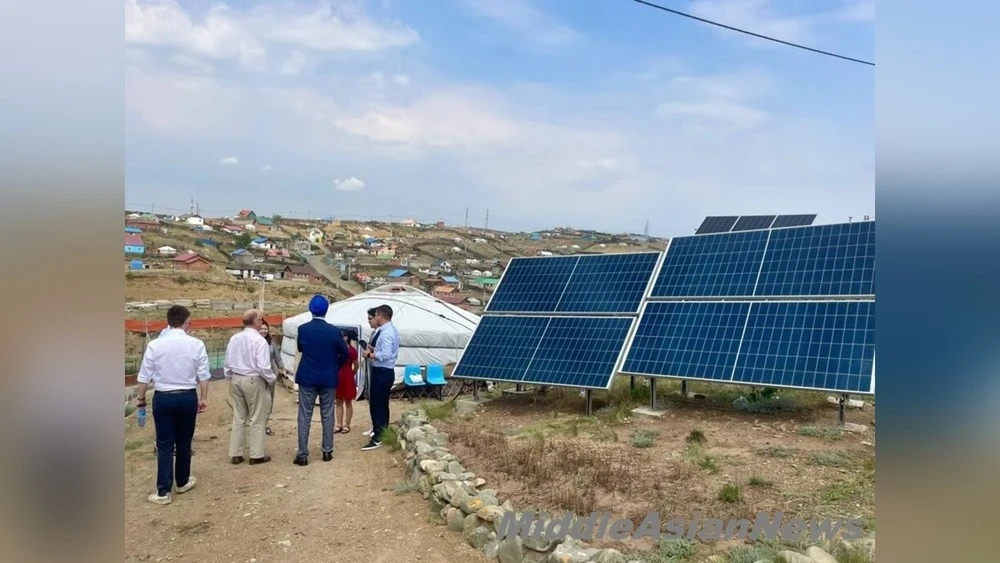
“URECA, a startup from Mongolia focused on climate technologies, is helping ger (yurt) residents transition from coal energy sources to solar,” reported bne IntelliNews. The startup received support for this initiative from the Star Venture program of the European Bank for Reconstruction and Development (EBRD).
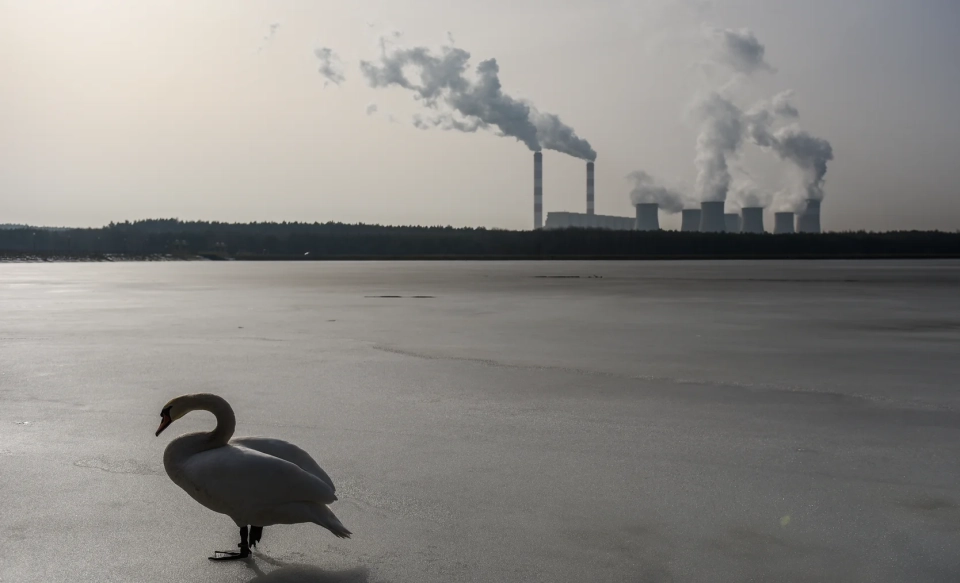
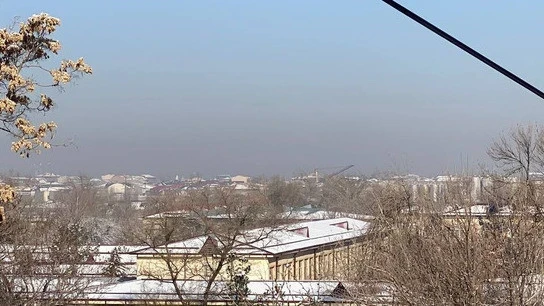
Ulaanbaatar, where yurt residents use coal for heating, is considered one of the most polluted cities on the planet. According to EBRD data published on February 10 in a press release about the URECA project support, one household produces about 12-13 tons of carbon dioxide per year.
As noted by the EBRD, URECA has reached a level that allows it to scale its climate change solutions.
“We thought, ‘How can renewable energy businesses generate carbon credits if they reduce emissions and sell these credits for income? How can a resident of a traditional Mongolian yurt transitioning to solar energy do the same?’” said Orchlon Enkhzetsgeg, co-founder of URECA.
Orchlon Enkhzetsgeg, Amar Baatarzogt, and Önurbat Erdenemonkh, the trio of co-founders, believe that the fight against climate change should be led from the highest levels, but the transition to clean energy should start with those who suffer the most from these changes, according to EBRD data.
By 2025, it is planned that URECA technologies will be used by about 200 households. The company aims to transition over 100,000 households to solar technologies by 2030. This will lead to a reduction of carbon dioxide emissions by 1.3 million tons per year and a decrease in air pollution in Ulaanbaatar by more than 70%, which could save many lives.

After two years of testing and pilot projects, URECA has created a system ready for immediate connection, allowing coal-dependent households to transition to clean energy sources and finance this transition.
Orchlon added that cost is a critically important aspect of implementing new climate technologies. Their team focused on creating reliable and affordable solutions, developing both hardware and software components in-house.
The URECA system includes inexpensive and high-quality devices, such as solar panels and electric heaters, integrated with monitoring and reporting technologies. This allows for real-time energy consumption tracking using IoT sensors and artificial intelligence.
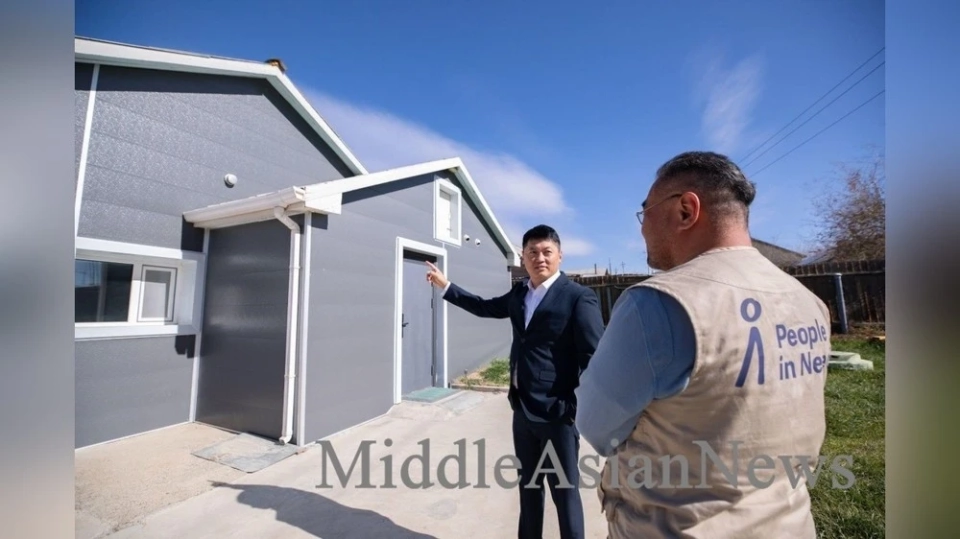
In practice, URECA insulates gers, installs solar panels, batteries, and deploys smart sensors to monitor air quality and other parameters at five-minute intervals to control coal usage throughout the day.
The system automatically calculates emission reductions and allows households to monetize carbon credits through the URECA platform, enabling financing for the transition to renewable energy sources.
The URECA technology turns each household into a small virtual power plant that can be monitored and managed.
“These homes can work in conjunction with the power grid, helping to avoid overloads during peak hours and remain self-sufficient under pressure on the grid,” the statement added.
translation: MiddleAsanNews