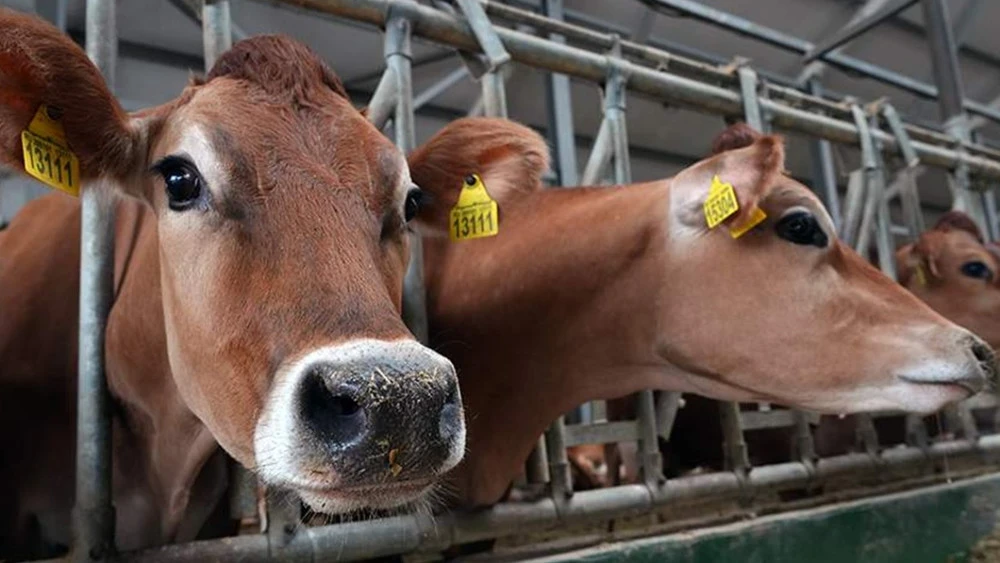
Protests against the authorities' actions began on March 7, when residents of the village of Novopichugovo blocked the road for special equipment to prevent the destruction of cows. Subsequently, similar actions spread to other settlements in the region. People expressed their dissatisfaction that livestock was being taken without prior testing, even though many animals appeared healthy.
Some activists claimed that instances of mass slaughter of animals began as early as February. The channel "Agrarian Council" published a statement indicating that by March 2026, about 2,000 heads of livestock had been slaughtered in villages such as Koziha, Novoklyuchi, and Kalinovka. According to their data, a total of 5,800 animals had been destroyed since the beginning of the year, including cases in the Omsk and Penza regions and the Republic of Altai. Protesters emphasize that this threatens the country's food security and violates the constitutional rights of owners.
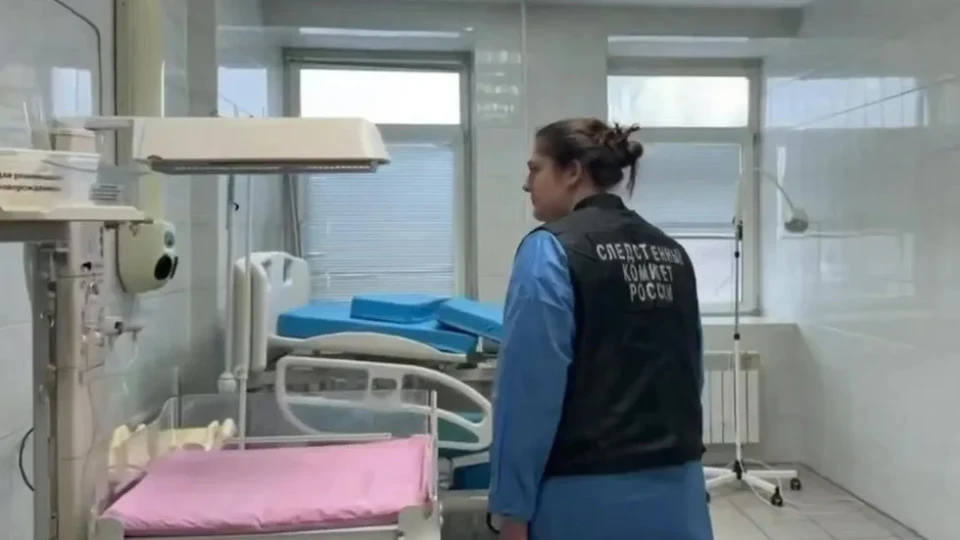
Residents of the village of Koziha also sent an appeal to the head of the Investigative Committee, Alexander Bastrykin, and President Vladimir Putin, expressing their dissatisfaction with the authorities' actions. The Investigative Committee has begun an inspection regarding possible violations by officials, including under the article on negligence.
Since March 11, as reported by Mash, the police have started detaining protesters who obstructed the work of equipment allegedly involved in the destruction of infected animals. Among those detained were journalists covering these events.
Residents of the region claim that they have been restricted in their movement: there is one exit and one entrance to the village, while other roads have been blocked. They insist that they will not allow the destruction of healthy cows until tests are conducted. "We are hostages; we are being destroyed. We will not let anyone in, only through us. If necessary, burn us along with the cows," local residents declare.
According to one participant in the agricultural market, the outbreak of pasteurellosis reported by the authorities "does not pose a serious danger and does not require strict measures for the slaughter of livestock," while foot-and-mouth disease is considered a more dangerous illness.