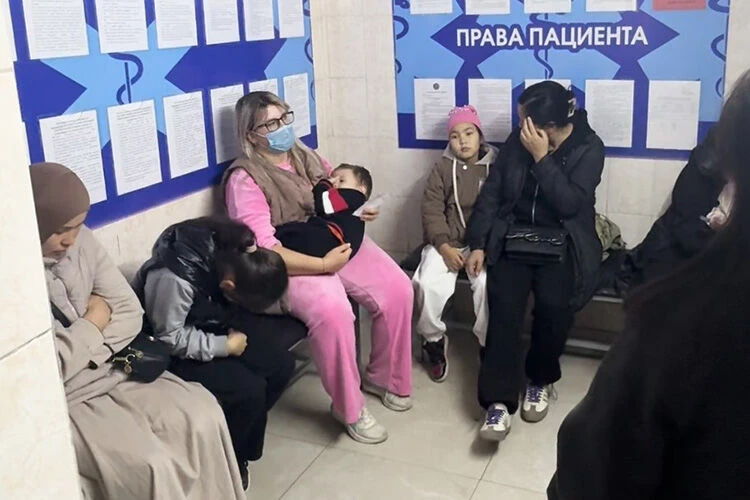
The Ministry of Health of Kyrgyzstan has reported that no cases of Nipah virus infection have been detected in the country.
To prevent the possible entry of the infection into the country, the Ministry of Health has strengthened sanitary and quarantine measures at the border. Specialists at sanitary and quarantine points are monitoring the health of arrivals, conducting sanitary control of vehicles, and organizing preventive measures in accordance with current regulations.
Furthermore, the ministry maintains ongoing cooperation with the World Health Organization (WHO) and other international partners to exchange epidemiological information and coordinate preventive actions.
The agency emphasizes that the country's healthcare system is prepared for a rapid response to potential epidemic threats. All official information will be provided only through authorized government channels.
ReferenceNipah Virus is a zoonotic infection belonging to the Paramyxoviridae family, capable of causing severe respiratory illnesses and encephalitis. The main carriers of the virus are bats.
Transmission can occur:
- through contact with infected animals;
- via products contaminated with biological secretions;
- through close contact with an infected person.
WHO classifies the Nipah virus as a high-risk pathogen. There is no specific treatment, and in severe cases, inflammation of the brain may develop, potentially leading to coma within 48 hours. The mortality rate upon infection ranges from 40% to 75%, according to WHO data.
Citizens are advised to:
- follow personal hygiene rules;
- avoid contact with wild animals;
- not consume raw or undercooked products;
- seek medical help immediately at the first signs of infection.