New Virus Strain
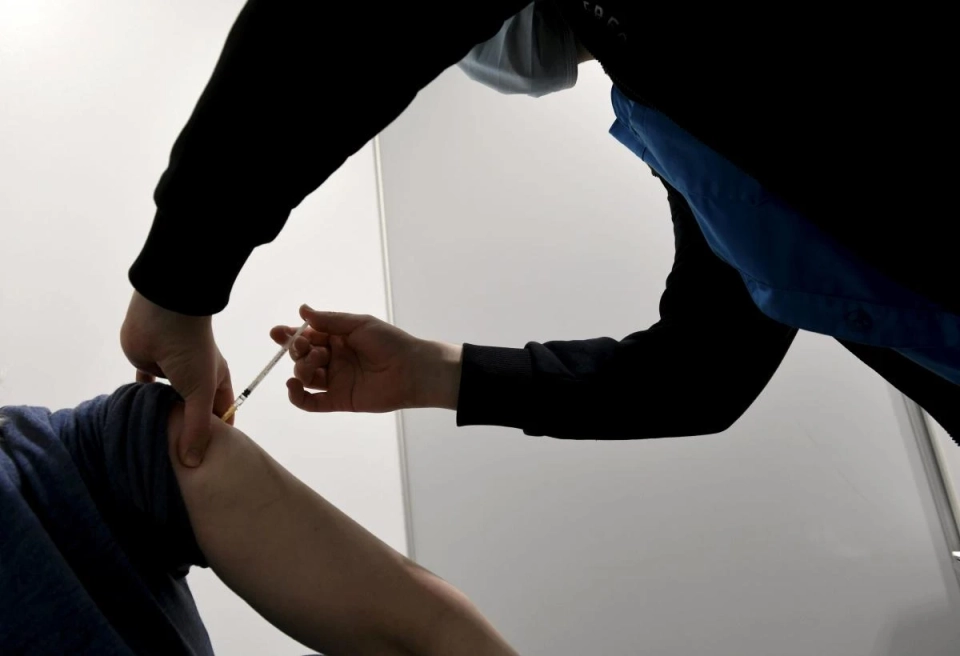
According to Hans Kluge, Director of the WHO Regional Office for Europe, "Flu returns every year, but this season the situation is different." The spread is associated with a new strain of flu A H3N2 – subclade K, which accounts for up to 90% of all confirmed cases in the region. Despite the lack of data on more severe disease progression, this underscores how even small genetic changes can impact the burden on healthcare systems, especially when the population lacks immunity.Although vaccination does not guarantee protection against infection, preliminary data from the UK show that the current seasonal vaccine reduces the risk of severe disease progression. Vaccination remains a key element of prevention, especially for at-risk groups, including the elderly, people with chronic diseases, children, and pregnant women. Healthcare workers are also included in this group, as their protection is vital for patient health.
Moreover, most severe cases requiring hospitalization are observed in people over 65 years old, for whom vaccination is especially necessary.
Winter Safety Recommendations
Although most people recover without severe consequences, medical attention should be sought in the presence of serious symptoms or underlying health conditions.WHO Preventive Measures:
- Vaccination is the best way to protect, especially for people in at-risk groups and healthcare workers, who should also follow infection control measures and wear masks if necessary.
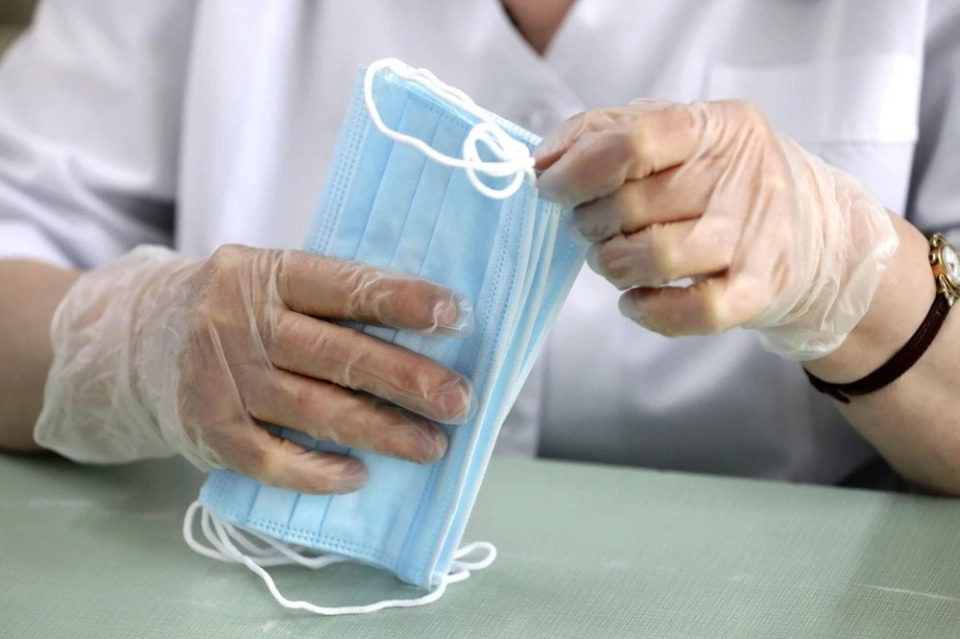
- Preventing the spread of infection – stay home if feeling unwell; wear masks in public places if experiencing respiratory symptoms; cover mouth and nose when coughing and sneezing; wash hands frequently and ventilate rooms.
Kluge also highlighted the importance of obtaining reliable information: “In an environment of misinformation, it is essential to refer to trustworthy sources, such as national health authorities and the WHO. In challenging flu seasons, verified information can save lives.”
Photo on the main page is illustrative: bcc.kz.