According to information, the subclade (subbranch) of the H3N2 strain was first detected in Australia and New Zealand, and then outbreaks were recorded in Japan and the United Kingdom. To date, this variant of the virus has been registered in more than 30 countries around the world.
Read more on the topic Increase in ARVI: hospitals allocated an additional 200 beds and opened mobile points
This strain was previously not encountered very often, which has led to a lack of immunity among people. In the United Kingdom, thousands of patients with symptoms of the illness are being admitted to hospitals every week.
“Influenza constantly mutates, and medical professionals are closely monitoring these changes to create effective vaccines. In most cases, mutations are minor, but sometimes the virus undergoes significant changes,” the report states.
How dangerous is this strain compared to others?
It is noted that people have rarely encountered the H3N2 subclade in recent years, leading to a lack of immunity. Therefore, although the symptoms of the new strain may not differ in severity from regular influenza, the number of infections may increase.
Some infected individuals may carry the infection without symptoms, while others may experience fever, body aches, and rapid fatigue. For the elderly and those suffering from other illnesses, this virus can be deadly.
It should be noted that the symptoms of a cold, flu, and COVID-19 share common features, but there are also differences. A cold usually starts gradually and is characterized by a runny nose and sore throat.
Influenza, unlike a cold, begins suddenly and is accompanied by a high fever, muscle weakness, and pain in various parts of the body.
Read more on the topic Increase in ARVI. Schools are sent to quarantine when 20 percent of students are absent
The symptoms of COVID-19 are similar to those of the flu; however, one of the main characteristics may be the loss of smell and taste. Additionally, COVID-19 is often accompanied by intense sore throat.
The best way to avoid contracting influenza is vaccination, although existing vaccines may prove insufficiently effective against the new strain. Experts emphasize that the vaccine can help alleviate symptoms and slow the spread of the virus.
Other important precautionary measures include various forms of quarantine. In Japan and England, for example, some schools have already been closed.
Furthermore, on an individual level, one can follow proven recommendations: if you are sick, cover your mouth and nose with a tissue when coughing or sneezing and try to stay at home.
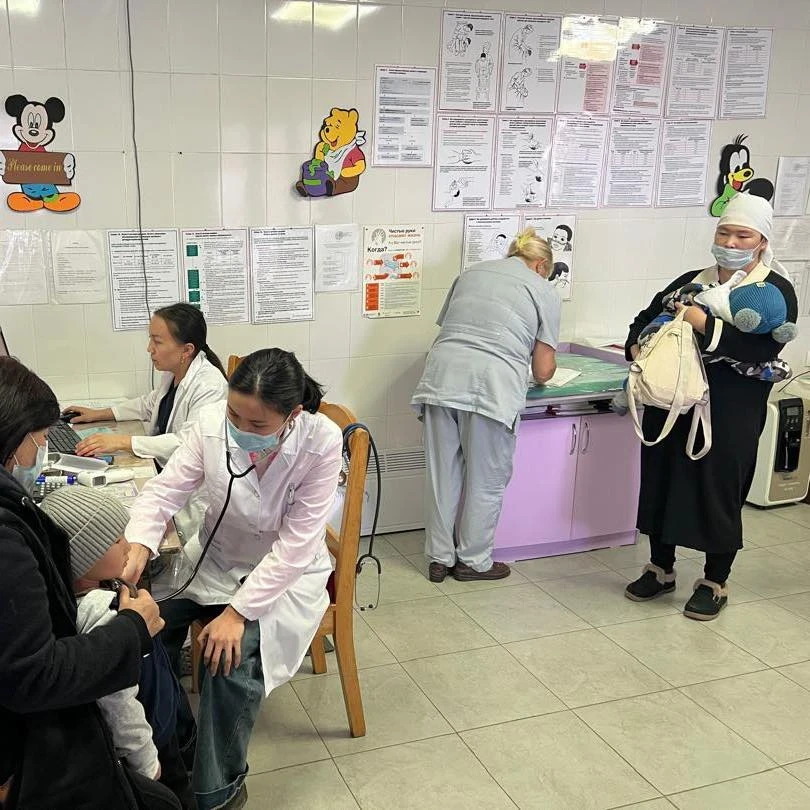
For instance, in the past week, Kyrgyzstan officially registered 42,500 cases of ARVI and influenza, including influenza A/H3N2, A/H1N1, B, and COVID-19.
Locally, measures are being taken to close kindergartens and transition schools to online learning.