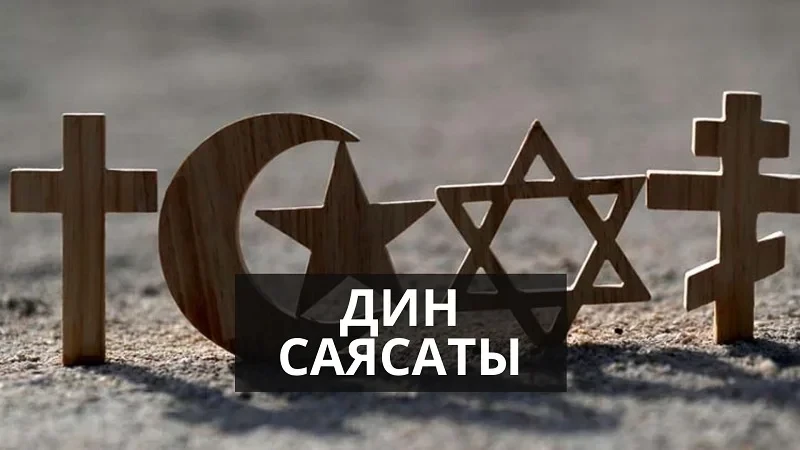
- The main criterion for government decisions is the Constitution and laws, not religious beliefs
- Politics and religious organizations do not intersect; they do not participate in elections
- All religious denominations and beliefs have equal rights under the law. No faith is recognized as mandatory or state-sponsored
- Citizens have the right to choose which religion to practice or not to practice any at all
Moreover, the low level of religious education, insufficient public awareness of religion, and the involvement of youth in extremist groups raised concerns, leading some families to leave for countries like Syria, further highlighting the ineffectiveness of religious policy.
In 2025, changes were made to the law "On Freedom of Religion and Religious Organizations," which led to increased state control and stricter measures. Religious figures were separated from political activities, and if they wish to participate in elections, they must first renounce their religious authority and can only run for office five years after that. All religious organizations are required to coordinate their construction projects and distribution of literature with the Department of Religious Affairs and to adhere to unified educational standards in religious educational institutions.
The concept of state policy in Kyrgyzstan regarding religion for 2021–2026 reflects the principles of a secular state:
- Tightening legislative measures against religious groups engaged in political activities
- Prohibition of using religious factors in electoral processes and the participation of religious leaders in campaigning
- Introduction of mandatory secular subjects in religious educational institutions and courses on "History of Religious Culture" in the school curriculum
- Creation of a legal mechanism for interaction between civil servants and religious leaders
- Conducting informational and educational work and providing citizens with reliable information on religious issues, as well as monitoring the financing of religious organizations.
“When developing state policy in the religious sphere, public opinion expressed on social networks is taken into account. However, unfortunately, there are also negative consequences from their use. False information creates serious problems. When making important political decisions, "bots" can mislead public opinion and cause disagreements.
The digital space has become a new arena for religious radicalism: extremist ideologies spread rapidly through social networks, and radical groups easily recruit new supporters. Strengthening the secular principles of the state is viewed as one of the priority directions in two concepts of state policy in Kyrgyzstan in the religious sphere (the first covers 2014–2020, the second — 2021–2026). This contributes to the formation of a correct understanding of secular principles in society and creates conditions for the sustainable development of the religious direction.
Changes to the law on freedom of religion have contributed to improving measures for ensuring public safety. Work continues to inform the population about secular principles, state policy in the religious sphere, and the prevention of religious extremism and radicalism.
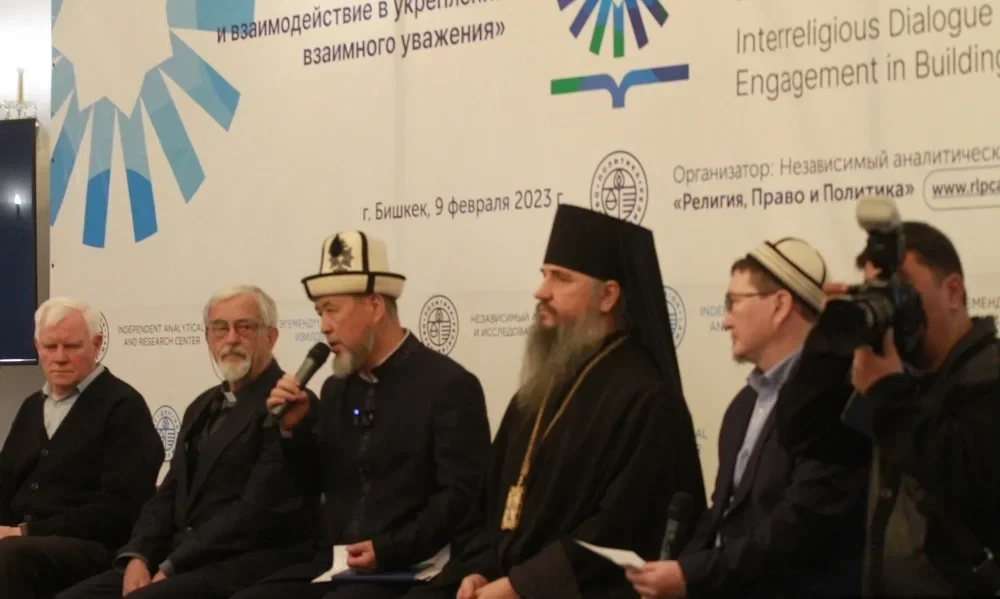
To promote interreligious harmony and strengthen social cohesion in Kyrgyzstan, an Interfaith Consultative Commission has been established, which holds thematic events annually,” the press service of the National Agency for Religious Affairs and Interethnic Relations reported.