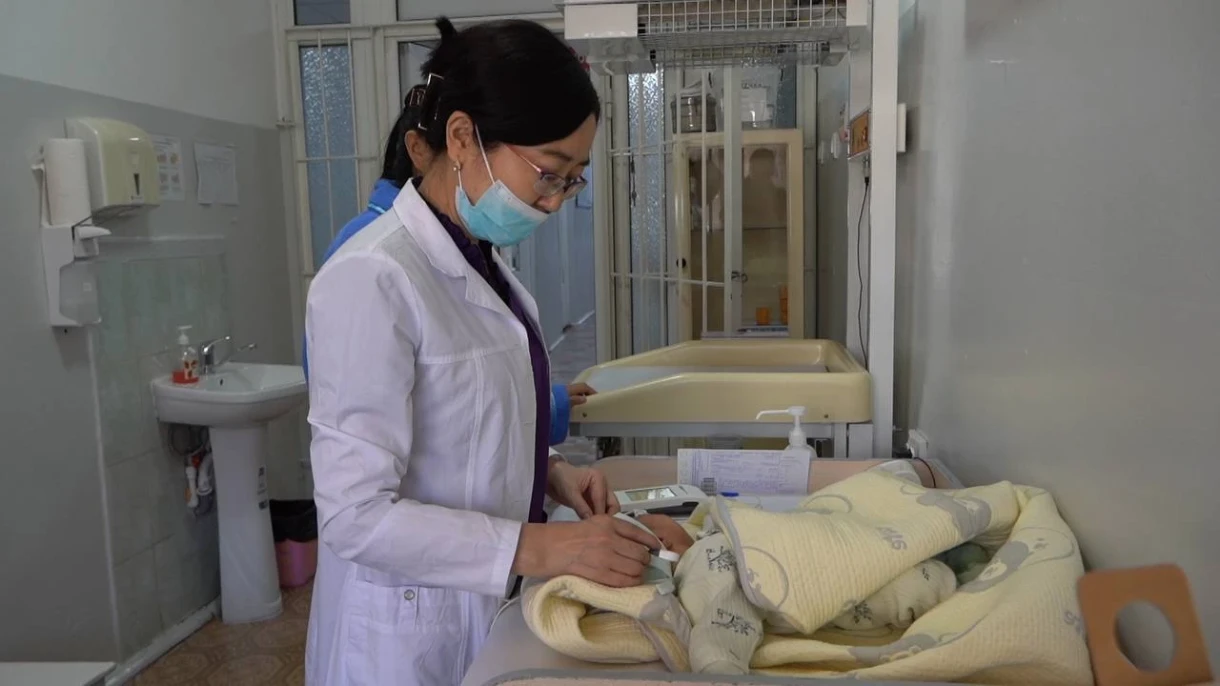
Analysis shows that preventable and treatable factors, such as otitis media with effusion, chronic suppurative otitis media, and earwax plugs, are common among children. In some cases, hearing loss may develop unnoticed but becomes more pronounced over time.
The lack of early diagnosis and necessary assistance negatively impacts not only hearing but also speech, language, cognitive development, and the socialization of children. This leads to decreased educational outcomes, limits employment opportunities, and contributes to economic difficulties.
WHO emphasizes: "Early diagnosis and treatment of ear diseases and hearing loss are crucial to preventing their long-term consequences for a child's development, learning, and future. Systematic screening and prompt response within school health programs and pediatric care can significantly improve the health of children with hearing impairments."
According to the organization, accessible and cost-effective medical measures can prevent more than 60% of cases of hearing loss among children.
World Hearing Day is celebrated annually on March 3.
This year, the theme of the event is "From Home to the School Bench: Caring for Every Child's Hearing."
The campaign aims to address two key objectives:
- prevent cases of preventable hearing loss in children;
- early detection and treatment of children with ear diseases and hearing impairments.
The Republican Center for Health Promotion and parent organizations "Hearing Together" and "Balanur" offer consultations to families on early diagnosis and support for children. The International Association of Hearing Rehabilitation Specialists also provides assistance to both parents and professionals.
Starting in 2025, the "Uplift" Foundation, in collaboration with the Children's Rehabilitation and Family Support Center in Bishkek, will begin providing early intervention services for children with hearing impairments.