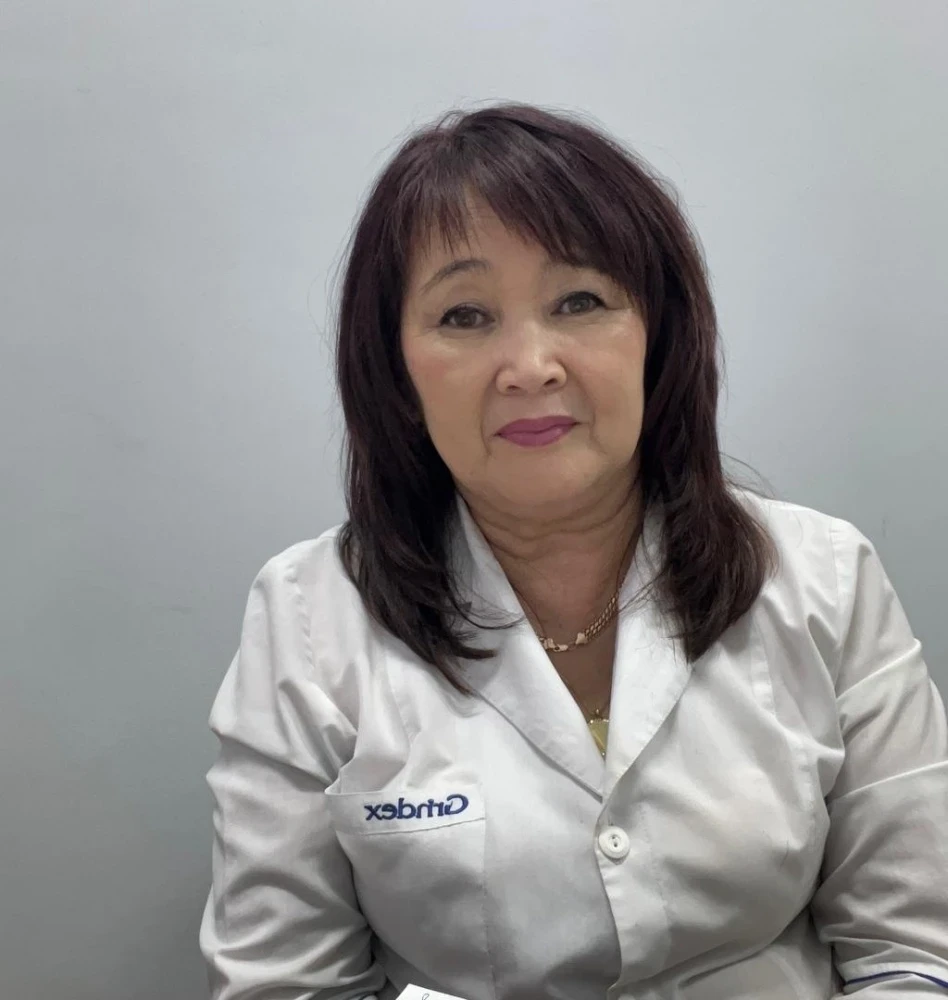
According to her, the combination of hepatitis B and D is extremely dangerous. Despite the large number of people suffering from these diseases, the problem remains insufficiently researched and unresolved.
Patients face a serious issue: the lack of accurate data on the state of affairs. There is no unified database for accounting, which complicates the assessment of the situation even at the district level. Additionally, the shortage of specialized assistance and qualified doctors further exacerbates the situation. "I underwent three courses of interferon therapy, but they brought no results. Medications that could guarantee complete recovery still do not exist," she added.
According to the patient, treatment is associated with constant relapses and severe side effects. "Every time I received interferon, I faced relapses. After the injections, I had a high fever, muscle aches, and flu-like symptoms. During those times, I had to continue working to earn money for medications," she shared.
Hepatitis D significantly worsens the quality of life, manifesting as pronounced symptoms:
- Astenic syndrome: constant fatigue and weakness. "It feels like I'm an empty battery. Routine tasks become overwhelming, and cleaning the house can take all day," the woman noted.
- Sleep problems: insomnia at night and constant drowsiness during the day.
- Depression - this is not just a reaction to the diagnosis, but a result of biochemical disruptions in the body.
- Digestive issues: pain in the right upper quadrant, nausea, loss of appetite, and, in some cases, vomiting with blood.
- Symptoms of liver damage: itching, jaundice of the skin and mucous membranes, dark urine.
- Portal hypertension and thrombocytopenia, which increases the risk of bleeding.
- Ascites - accumulation of fluid in the abdominal cavity, which can last for years.
The woman also underwent therapy with the expensive drug bulevirtide, which is better tolerated but does not provide a complete cure. To pay for the treatment, she had to sell her house and work for three years without weekends, with the total cost of treatment amounting to about $68,000.
"Hepatitis B and D are not just medical diagnoses. They are a constant struggle for quality of life and for each day," the patient noted.
Challenges in Monitoring Patients
Urnisa Erkebaeva, chairperson of the NGO "Stop Hepatitis KJ," spoke about how difficult it is to watch patients suffer from the consequences of hepatitis: "It is very hard to see people fading away due to hepatitis every day." After losing her mother to this disease, she decided to actively help patients. Although she herself is not ill, Urnisa understands the problem well.The organization helps patients by conveying their requests to government structures. "We try to solve problems, but we do not always succeed. Hepatitis D remains a serious issue because clinical protocols do not match reality," she stated.
Urnisa emphasized the importance of negotiations with drug manufacturers to lower prices and access innovative medications. "Some patients are willing to participate in co-payment if the government finds donors and lowers the price," she noted, adding that this is not lobbying for a specific drug, but a necessity for accessible treatment.
"We are looking for solutions, but the main priorities remain the safety and effectiveness of treatment. Watching patients' conditions deteriorate every day is extremely difficult, especially when there is nothing we can do to help," Urnisa shared."For example, in one family, four brothers suffer from hepatitis. Three of them have complicated cases, and even if they decide to undergo a transplant, the question remains: who will be the donor?" she added. Liver transplantation does not always solve the problem, as hepatitis can return after the operation.
In Kyrgyzstan, vaccination against hepatitis B has begun, which is already improving the situation; however, young people aged 30-45 are still falling ill.
What Do Patients Need?
- Early diagnosis, which is critically important for successful treatment.
- Access to modern medications, which should not be a luxury.
- Honest information about the disease, without intimidation.
- Real support.
In their opinion, it is necessary to develop separate recommendations for hepatitis D and create patient registries, improve screening, and allocate budgets for treatment.
Photo on the main page is illustrative: suara.com, thesun.co.uk, involta.media, medaboutme.ru.