There are many theories about the causes of ASD, but scientists have not yet reached a consensus. Possible factors include disruptions in brain function, genetic changes, and environmental conditions. It is impossible to completely cure this disorder; it persists throughout a person's life. However, in some cases, symptoms can be adjusted, making them less noticeable. Nevertheless, some children require constant support to adapt to society.
At a recent meeting of doctors from Kyrgyzstan with Russian specialists from the International Volunteer Program "Mission Good," the main focus was on early diagnosis and correction methods. Russian experts shared their experience with Kyrgyz doctors, educators, and parents over ten days regarding the application of modern techniques for the social adaptation of children with ASD, as well as implementing innovations in working with families.
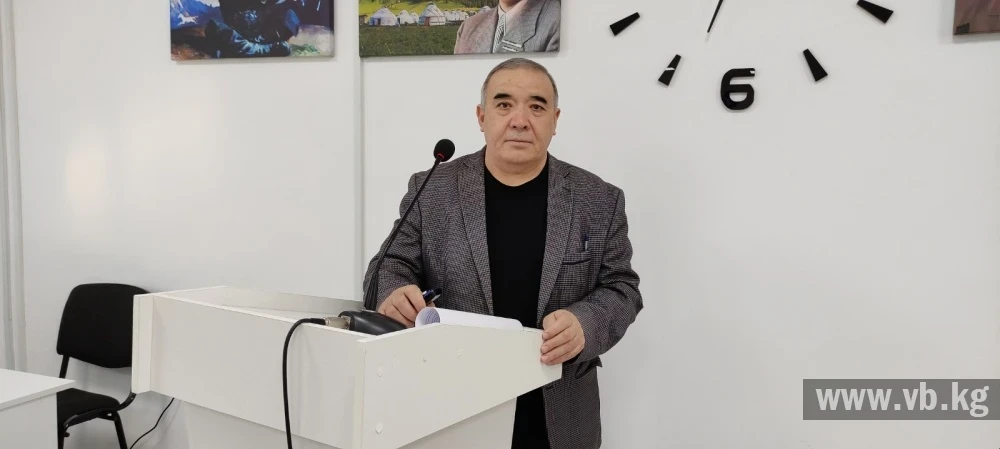
Nurmakhamed Babajanov, a top-category pediatric neurologist, noted that ASD is the most common pathology in Kyrgyzstan. Every third or fourth child who visits the National Center for Maternal and Child Health has various developmental deviations, such as speech delay and difficulties in social communication. These disorders complicate communication and adaptation.
According to Babajanov, the term "autism spectrum disorders" has become widely accepted due to the expanding knowledge of autism, indicating the diversity of disorders with similar nature. This complicates the process of diagnosis and identifying the causes of disorders.
The specialist emphasized that ASD should be viewed not as a disease but as a developmental disorder, and the focus should be on correction rather than treatment. According to American experts, the identification of autistic disorders should occur within the first two years of life. Babajanov stresses that the earlier the correction begins, the better the results.
However, in Kyrgyzstan, the problem is that psychiatrists only begin working with children at the age of three to four, missing a crucial time for correction. It is also necessary to define a pathway for habilitation rather than rehabilitation, as habilitation involves developing new skills in children with congenital features.
Habilitation is a pressing issue for Kyrgyzstan, especially in regions where the situation is much more complicated. Despite attempts to implement a state early intervention program, working with children with developmental difficulties faces challenges, including a lack of qualified specialists.
Babajanov noted that many specialists leave for private clinics, making it difficult to create a unified early intervention program. The lack of specialized centers and insufficient outpatient work with children are also significant barriers.
In the physician's opinion, working with children with ASD should be individualized and include sessions with speech therapists, psychologists, and defectologists, as well as employing methods such as sensory integration. However, many parents, especially in rural areas, are unaware of the signs of autism and in most cases do not see the need for early assistance.
Babajanov also pointed out that there is a shortage of correction classes in Kyrgyzstan, which once existed in the country. The presence of such classes could significantly improve the situation.
Additionally, he highlighted the lack of interagency cooperation as another problem. Healthcare, education, and social welfare must coordinate their efforts to assist children with ASD.
Although steps are being taken in the country to address the issue, they remain fragmented. Our country can learn from Russia, where significant progress has been made in working with such children.
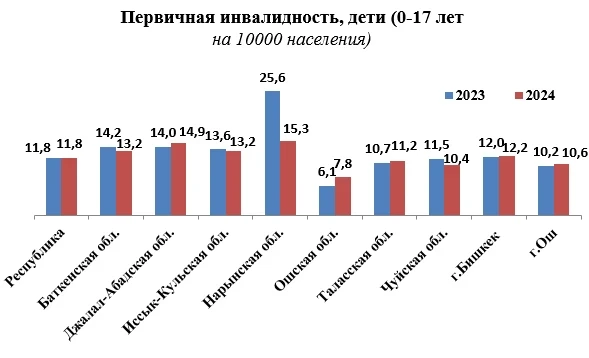
According to official data, there are over 700 children diagnosed with autism in Kyrgyzstan, but the real number may be significantly higher. Many parents are unaware of their child's disorder, and there is a shortage of specialists in rural areas for timely diagnosis.
Asel Kadyrova, the chief freelance pediatric neurologist of the Ministry of Health, noted that there are only 10-12 child psychiatrists in the country, most of whom are concentrated in Bishkek. This creates difficulties for the habilitation of children, even if a diagnosis has already been made.
Recently, a shocking case occurred when a 16-year-old teenager with ASD was found in a cage, highlighting the horrific conditions such children may face. The problem is exacerbated by the lack of free state institutions for children with ASD and the low standard of living.
Dr. Kadyrova also emphasized that there is a stigma in society regarding people with mental disorders, complicating the process of helping such children. Primary therapy should be based on behavioral correction to help children adapt.
Victoria Mozgacheva, the vice-mayor of Bishkek, proposed conducting an information campaign to raise parents' awareness of the signs of disorders. She also announced plans to open a municipal center to assist children with autism, which will provide free services.
Anna Maximova, a child psychiatrist from the "Mission Good" program, added that such meetings are beneficial for exchanging experiences and knowledge between specialists and parents, contributing to improving the situation for children with ASD.
From the dossier vb.kg
Since 2021, Rossotrudnichestvo, in partnership with the Association of Volunteer Centers, has been implementing the international humanitarian project "Mission Good," which promotes the development of international volunteering and humanitarian interaction.