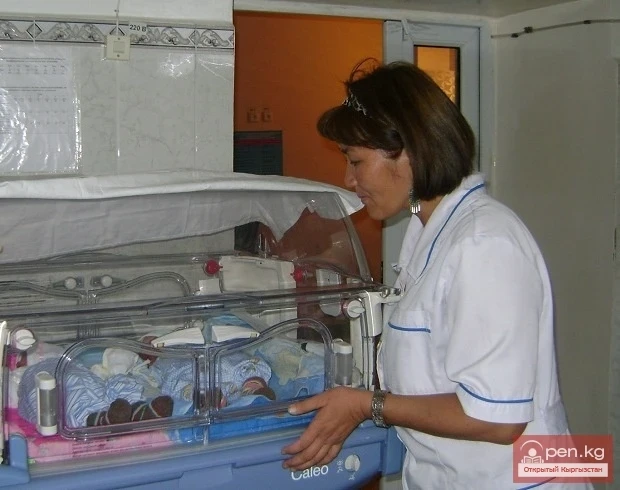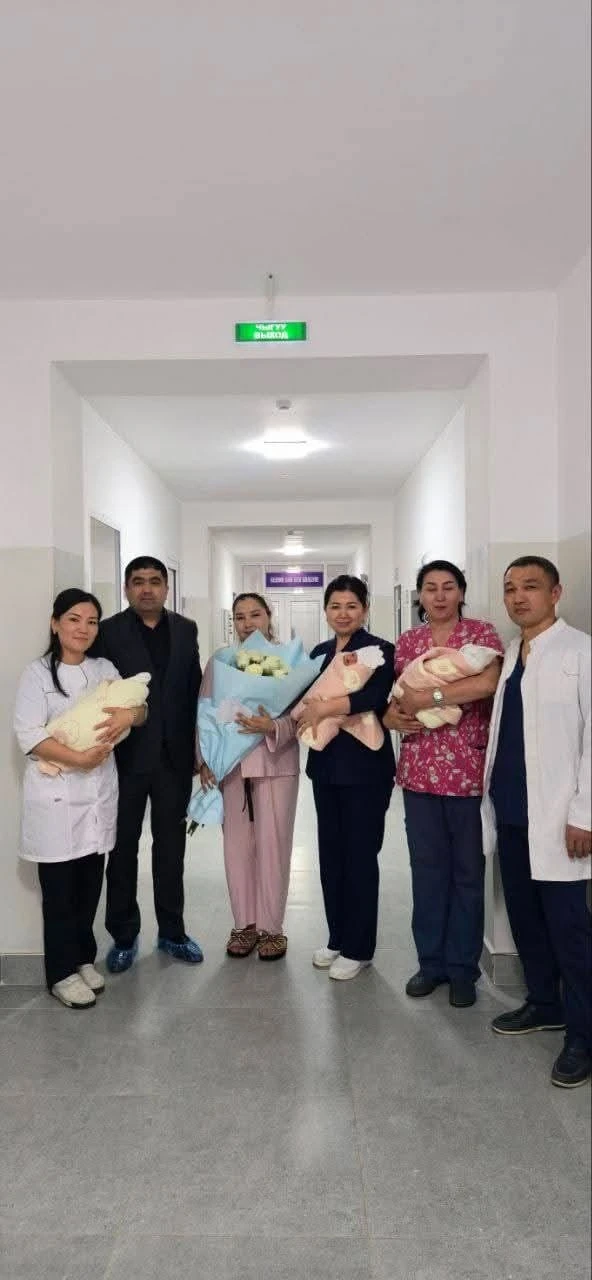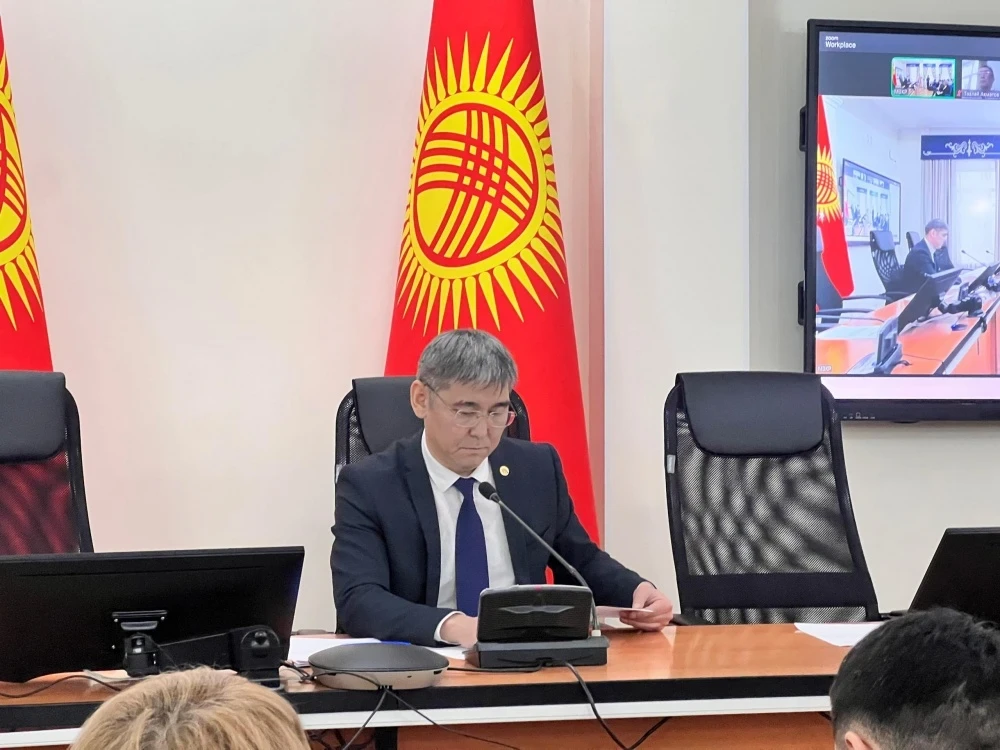
The discussion focused on issues related to improving the quality of medical care for mothers and newborns, as well as strategies to reduce maternal and infant mortality.
The chief specialist of the Department of Organization of Medical Care and Pharmaceutical Policy of the Ministry of Health, Raisa Asylbasheva, presented the main report, which included an analysis of the state of the perinatal service, its key indicators, and tasks for future development.
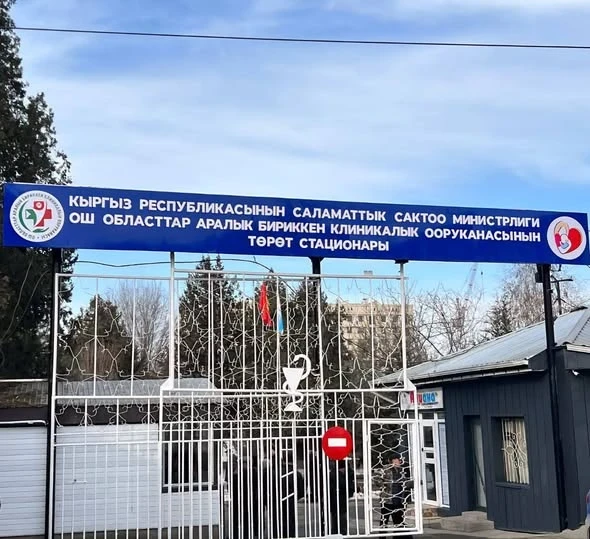
According to her, the country has a three-tier system of perinatal care that ensures continuity and consistency in the provision of medical services. Specialized third-level care is provided at the National Center for Maternal and Child Health, the Kyrgyz Scientific Center for Human Reproduction, and the maternity hospital of the Osh Interregional Clinical Hospital.
The healthcare system has 2,167 maternity beds, 741 gynecological beds, and 521 beds for pregnant women with complications.
It is reported that the level of coverage of pregnant women with antenatal care remains high at 91.7 percent.
The Ministry also announced the ongoing strengthening of the service infrastructure, including the construction of perinatal centers in the Talas and Osh regions, which will significantly improve access to specialized care for women from the regions and reduce the time for routing patients.
The meeting analyzed the causes of maternal mortality for 2025. As a result, the ministry formulated a number of systemic measures aimed at improving the quality of medical care, enhancing human resources, optimizing the routing of pregnant women, and developing digital technologies in medical services.
Among the priority areas for the development of the perinatal service until 2030 are the optimization of obstetric-gynecological care with an emphasis on prevention, improvement of the monitoring system for pregnant women and routing of patients, revision of antenatal care standards focusing on the quality of medical services, implementation of modern prenatal screening technologies, and the establishment of a genetic laboratory.
Plans also include the development of family planning services and preparation of women for pregnancy, the introduction of remote consultations for regional hospitals, and strengthening the material and technical base of obstetric-gynecological and neonatal services.