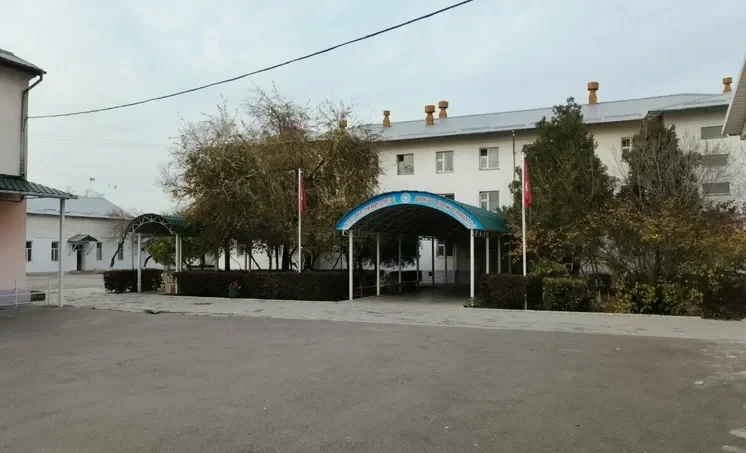
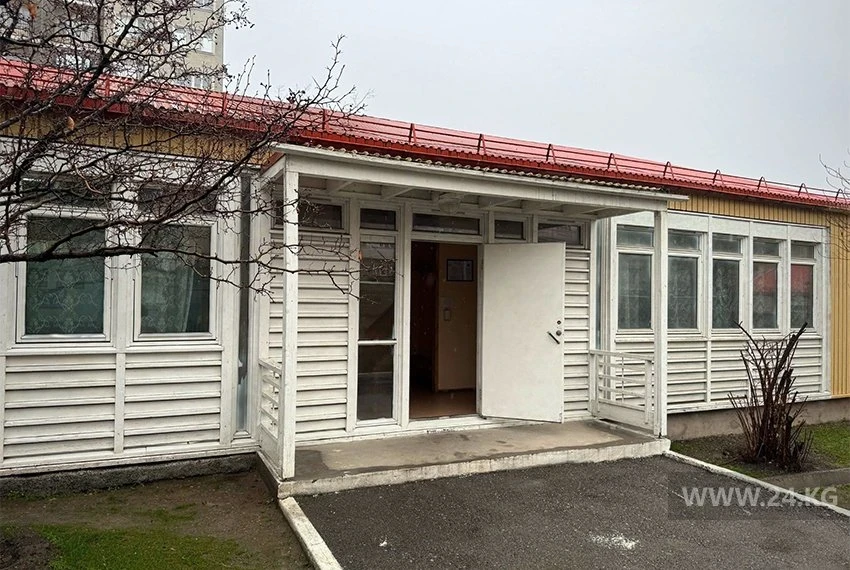
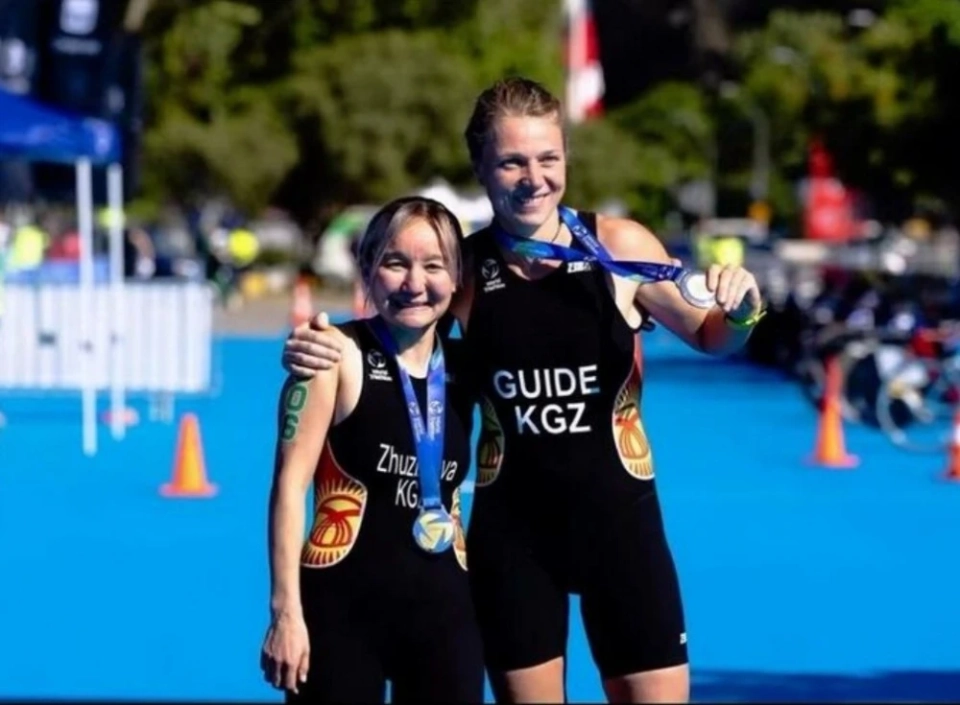
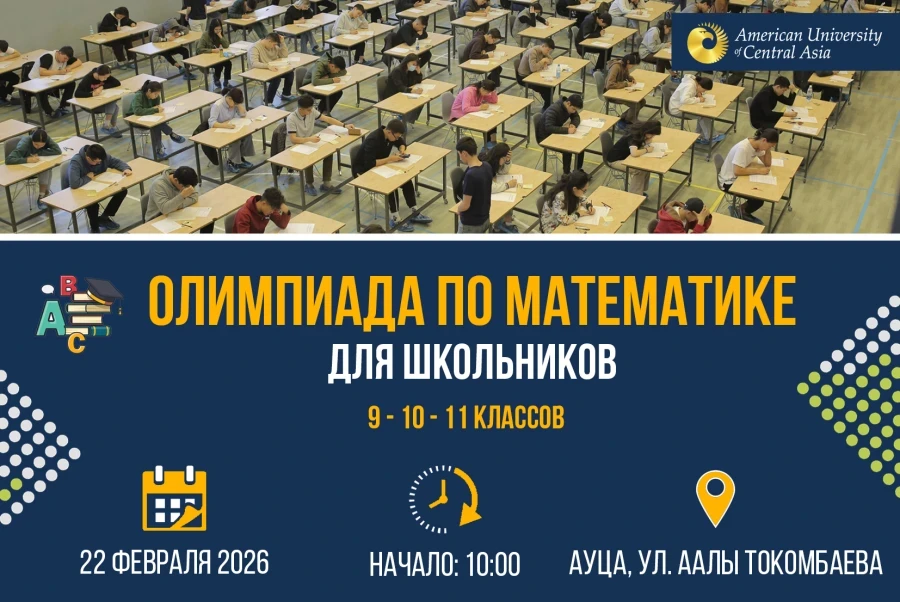
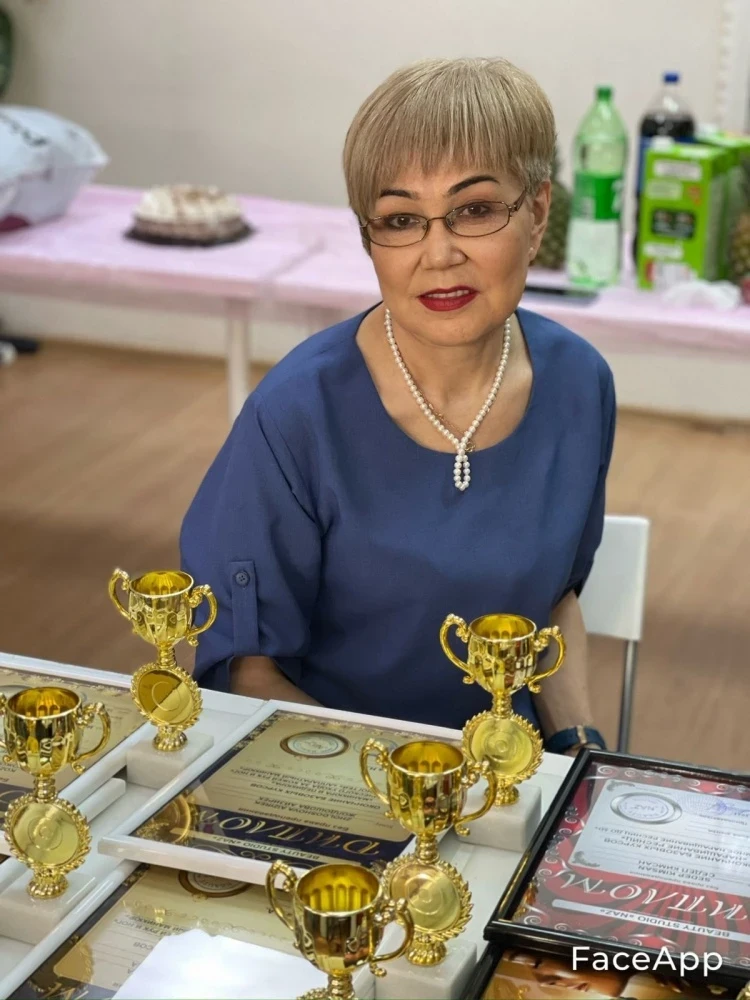
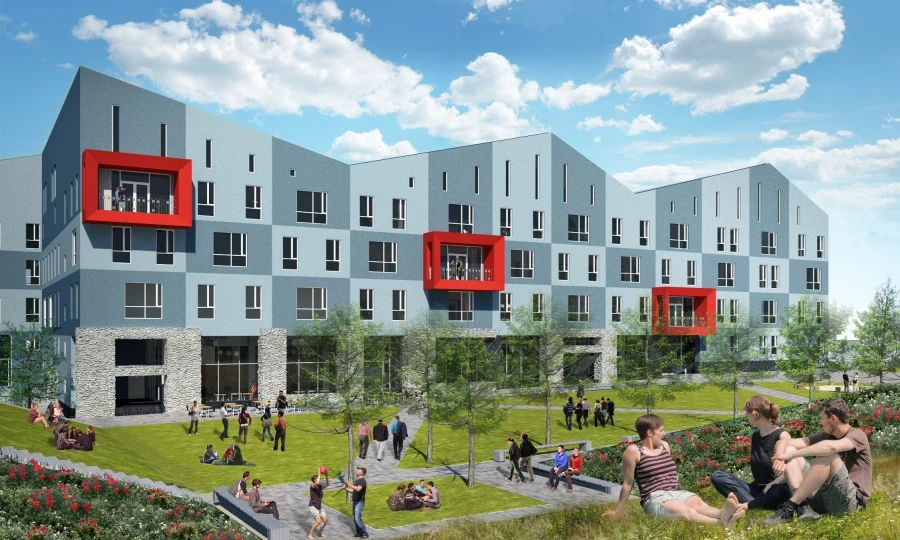
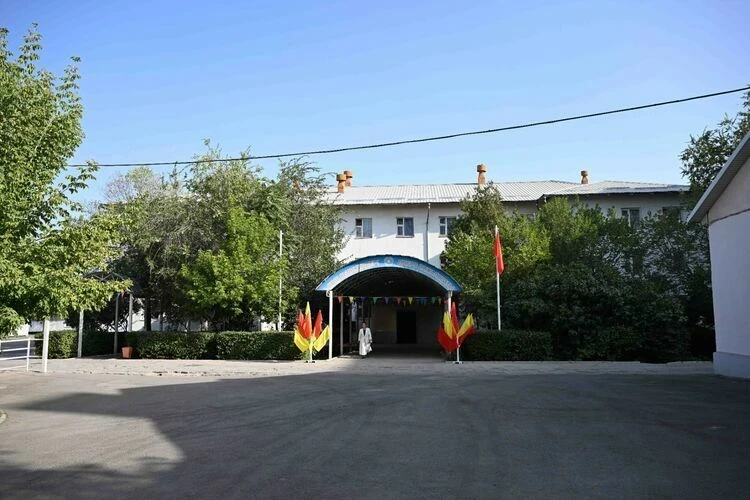
The rehabilitation center for the blind is located in the building of the American University of Central Asia at: Aaly Tokombaev St., 7/1. It was founded in 2017 at the initiative of the Federation of the Blind of Kyrgyzstan, with the support of the university. AUCA provided several rooms for conducting courses and training for the blind.
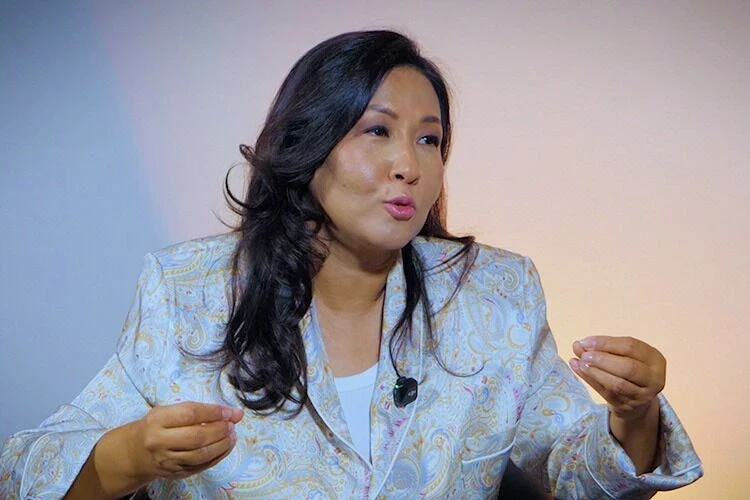
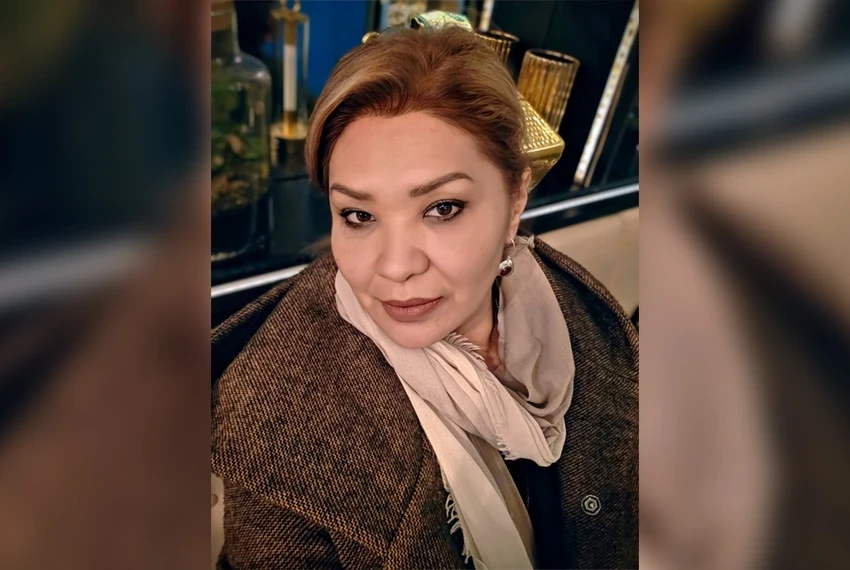
The training is conducted by the federation itself, which includes people who have gone through the adaptation process. Gulnaz Juzbaeva, the founder of the federation, claims that their goal is to help blind people embark on the path of independent living.
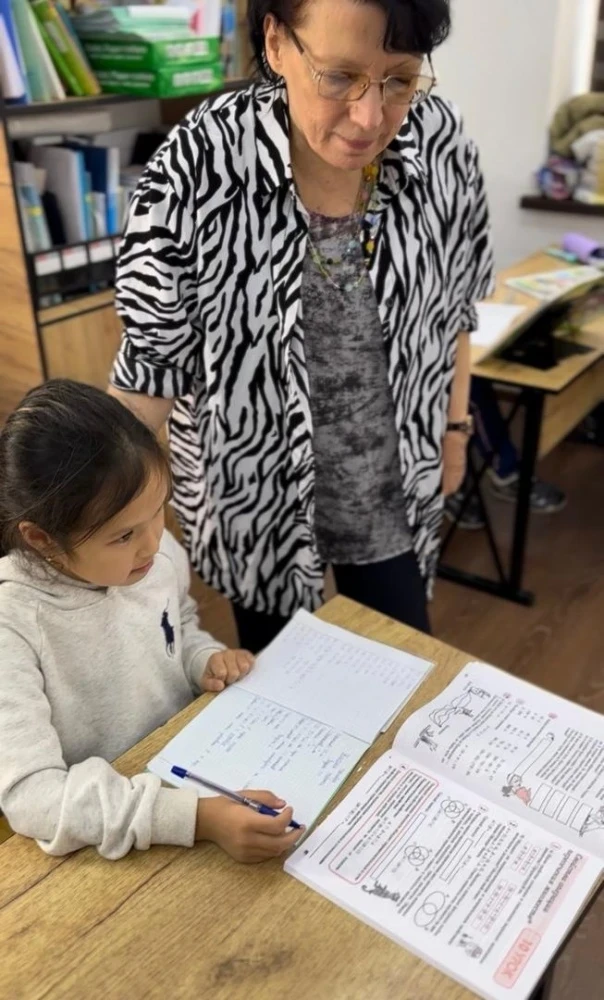
“Our course lasts six months and is free of charge. We recruit groups of blind individuals through announcements in the media and social networks. Priority is given to those who have never had the opportunity to study. There are many young people who, for various reasons, did not attend school, as specialized educational institutions are only located in Bishkek and Osh. Some parents did not allow their children to go far from home, while others simply did not know about the existence of such schools. Therefore, many blind children remain without primary education, and for some of them, we become their first school. Here, they start learning Braille and how to write. We also support those who lost their sight in adulthood, as it is harder for them to adapt than for those who have been blind since childhood. Losing sight is psychologically difficult, and it takes time to accept it. The training takes place in conditions that are close to real life to help them get used to independent living,” shares Gulnaz.
Housing for the students is located near AUCA. Every day from 9:00 AM to 6:00 PM, they study six subjects: reading and writing in Braille, working on computers and smartphones using special programs, self-care skills, English language, and orientation with a white cane. Classes are conducted by federation members, while the basics of theology are taught by instructors from the Islamic University. Self-care lessons take place in their apartment, where they are taught to cook and use household appliances. Orientation with a white cane is conducted outside, in a busy area, which helps them adapt to the environment.
“Classes are held daily from 9 AM to 6 PM, which corresponds to a work schedule. This helps create the discipline necessary for a full life. Many blind individuals, staying at home, lose their sense of time and lack a routine. Some may sleep until two in the afternoon, confusing night and day. We help them develop an eight-hour work schedule so that they are prepared for employment,” explains Gulnaz.
She also notes that one of the most challenging tasks is working on the psychological state of the participants.
“Psychological adaptation is the most difficult, as many blind people need to overcome their own fears and doubts. They often have low self-esteem due to societal opinions that they are incapable of anything. When a person accepts themselves and realizes their condition, their attitude towards life changes, and then learning becomes easier,” asserts Juzbaeva.
Gulnaz shares her personal experience:
“I also went through a period of accepting myself as a blind person. I used to be visually impaired and tried to live as a sighted person. I thought I could hide my blindness and be independent. But it turned out to be difficult.”“I realized that I needed to live by accepting my blindness and mastering skills that would help me adapt. This significantly simplified my life. My perseverance helped me gain an education both in Kyrgyzstan and abroad, and I brought this model of education to our country. I have been working on it since 2012,” she adds.
Gulnaz emphasizes that despite the lack of government policy, patrons and businesses support their initiative.
“AUCA provides us with a space where we can change the destinies of blind people. We also receive help from patrons both from Kyrgyzstan and abroad. Recently, thanks to Asanbek Toroев, we acquired apartments for our students. Such people greatly facilitate our work and help the blind change their lives for the better,” says the founder of the Federation of the Blind.
She sadly notes that the system for adapting the blind to social life is outdated.
“Unfortunately, the attitude of society and the education system remains the same. Old approaches based on medical concepts, rather than social ones, are still in place. We are perceived as disabled, which implies incapacity, and therefore it seems to us that we cannot do anything without outside help. Instead of making people dependent, it is necessary to change the system by providing quality rehabilitation for the blind from an early age.
The education system is not ready for this. We cannot study in regular schools because there are no specialists working with blind children.
“There is also no rehabilitation system. There are only two specialized schools for blind and visually impaired children in the country. These are boarding institutions that provide only general education and adaptive skills, but this knowledge is insufficient for a fully independent life. Children living in boarding schools are separated from their parents and accumulate certain skills of independence, but they do not receive important knowledge necessary for life outside the boarding school.”“Moreover, they rarely leave the confines of the boarding school and almost do not interact with others, which is an important skill. As a result, even after training, a child remains dependent and needs support. All these problems can be solved by applying a quality and comprehensive rehabilitation approach. Unfortunately, we are currently only working with adults, although similar rehabilitation could also be conducted for children.
There are many state rehabilitation centers, but their programs are narrow-focused and aimed only at one category of people with disabilities. For blind adults, our center is the only place that offers a comprehensive program,” Gulnaz concludes with regret.