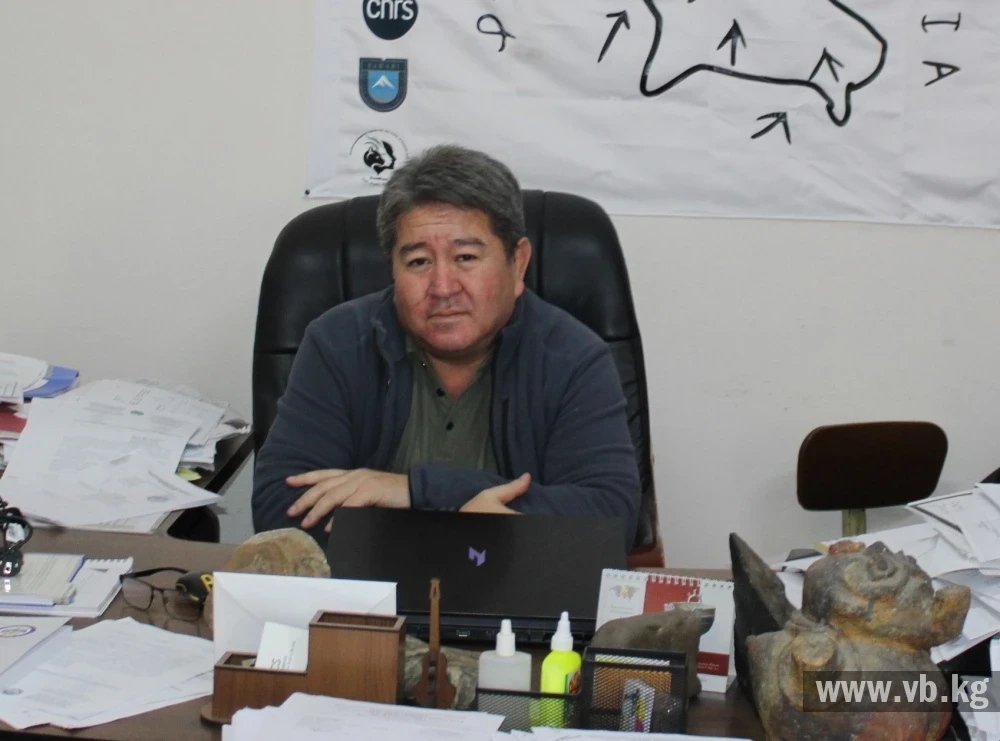


In the program of Birinchi Radio, academician Omor Kasymov, Doctor of Medical Sciences and member of the Russian Academy of Sciences, discussed the main causes of smog in Bishkek, its negative impact on citizens' health, and the necessary measures to improve air quality in the city.
According to him, the smog problem affects not only Kyrgyzstan but also many large cities around the world. Kasymov noted that different types of smog have even received names depending on the region where they were first recorded.
“For example, London smog is a combination of dust and gases that occurs in the specific climatic conditions of the foggy Albion. Los Angeles smog, in turn, forms in clear sunny weather, which is associated with the accumulation of gas mixtures in dry climates. There is also an Alaskan type of smog that manifests at low temperatures. All these factors are characteristic of our metropolis,” the academician emphasized.
Kasymov explained that smog is a complex mixture of dust, gases, and various substances, both organic and inorganic, that are formed as a result of human activity. The main sources of air pollution in Bishkek are industry, urban construction, vehicle use, and heating of private homes.

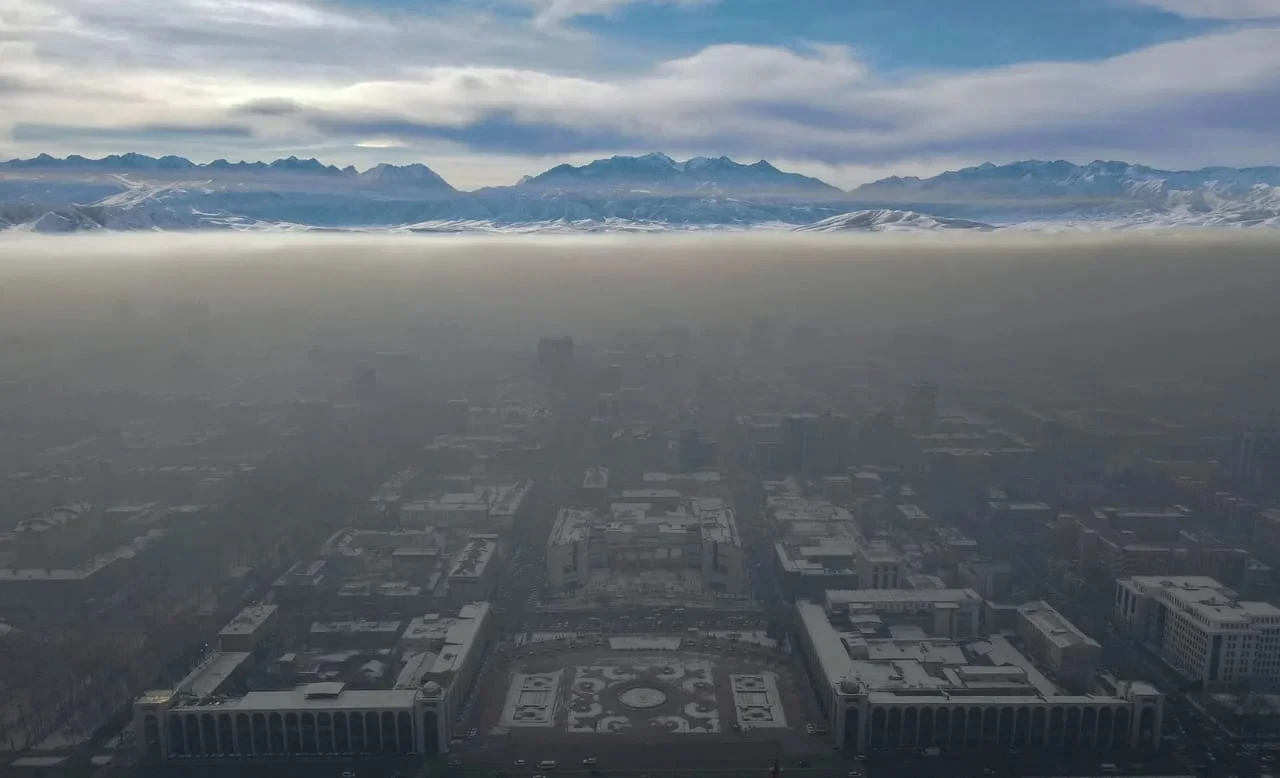
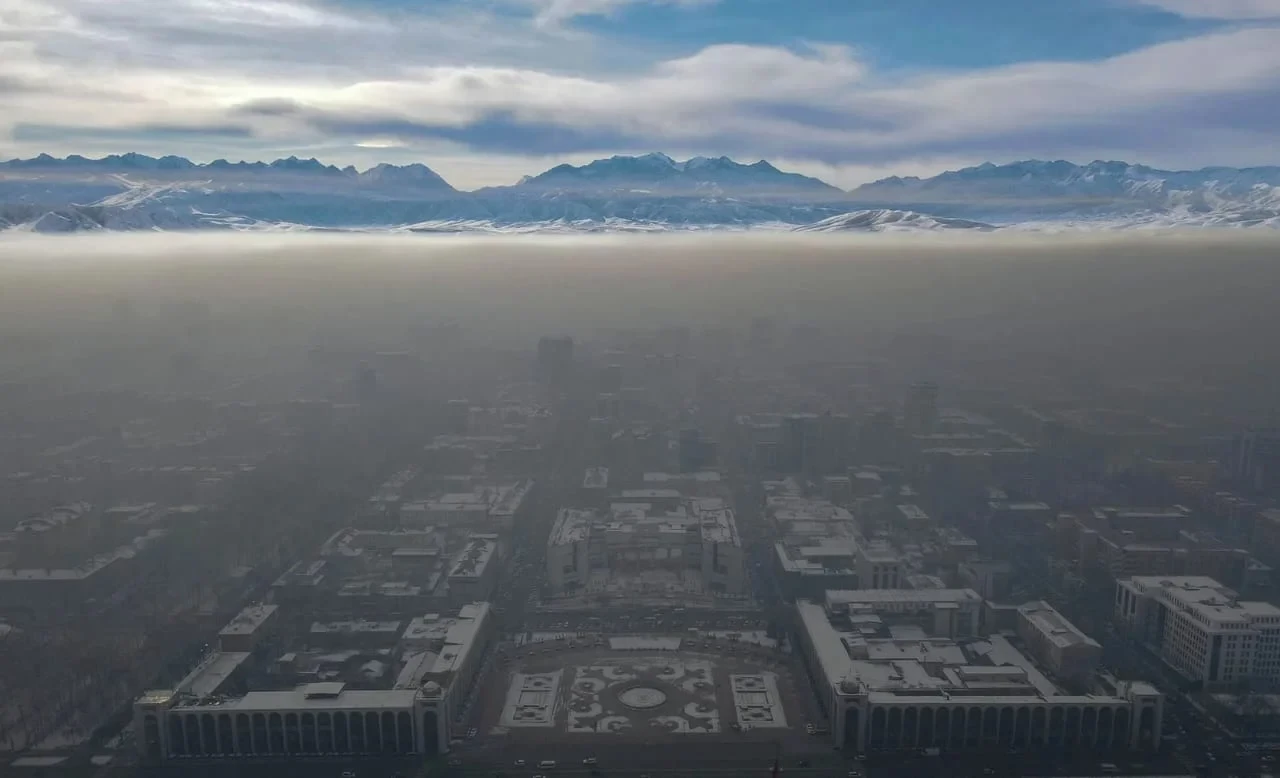
Kasymov also noted that autumn, winter, and early spring are periods when air quality deteriorates significantly, causing concern among the population. Panoramic photos showing smog covering the city appear on social media.
The residents of Bishkek understandably question the quality of the air they breathe. The academician emphasized that inhaling such a mixture can negatively affect health, especially in young children whose bodies are not yet fully developed and have weak immune systems.
Kasymov noted that the impact of smog on air and the health of city dwellers varies throughout the year and depends on climatic and geographical conditions.
“Currently, rainy weather is observed in Bishkek, which contributes to improved air quality, and residents may feel that it has become easier to breathe. However, during periods of atmospheric stagnation, when clear weather is combined with low temperatures, unpleasant odors and smoke arise that penetrate homes and cause discomfort,” he added.
Kasymov also provided statistics on the health status of the population. According to him, during the pre-COVID period, there was a deterioration in citizens' health by 10-20%. A particularly noticeable increase in respiratory diseases was 24-34%, while cardiovascular diseases increased by about 2%.
Among children aged 0 to 14 years, high levels of morbidity were also recorded: the overall morbidity rate is 8-11%, for cardiovascular diseases it is 14-18%, and for respiratory diseases, it is about 11-14%.
The academician added that in the post-COVID period, there is a trend towards a decrease in these indicators, which may indicate insufficient registration of diseases or the result of measures taken by the Bishkek city administration to improve the situation. However, to confirm a sustainable positive result, further research is necessary.