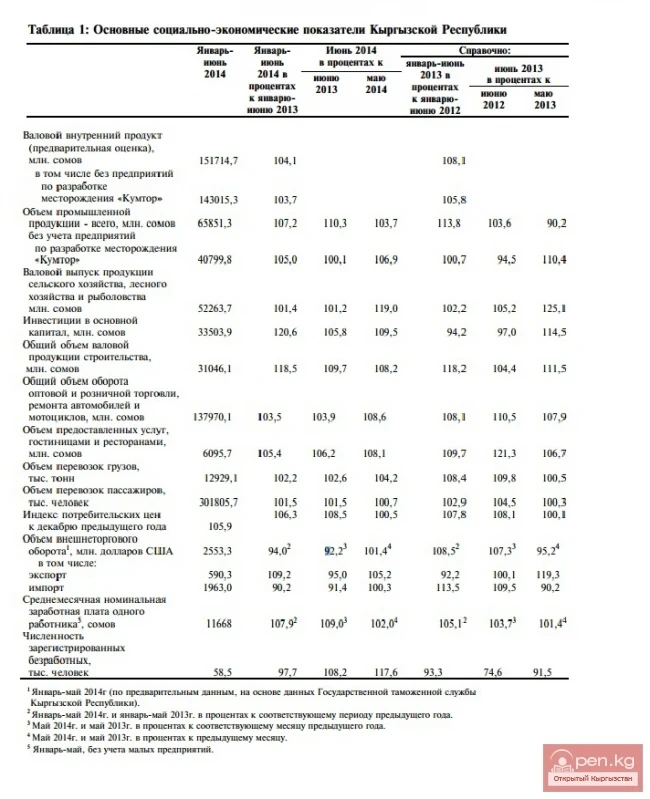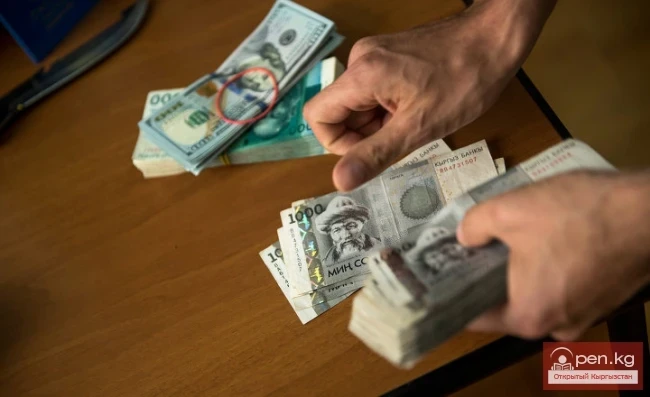
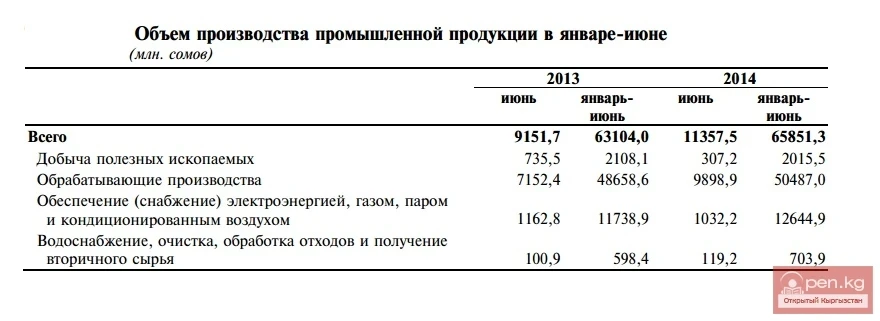
In the first half of 2014, industrial enterprises produced goods worth 65,851.3 million soms, with a physical volume index of 107.2 percent compared to the first half of 2013. Excluding enterprises involved in the development of the Kumtor deposit, the figure was 40,799.8 million soms, or 105 percent, with a 103.7 percent index as of May 2014. In June 2014, industrial production amounted to 11,357.5 million soms, with a physical volume index of 110.3 percent compared to June 2013. Excluding enterprises involved in the development of the Kumtor deposit, the figure was 6,861.4 million soms, or 100.1 percent.
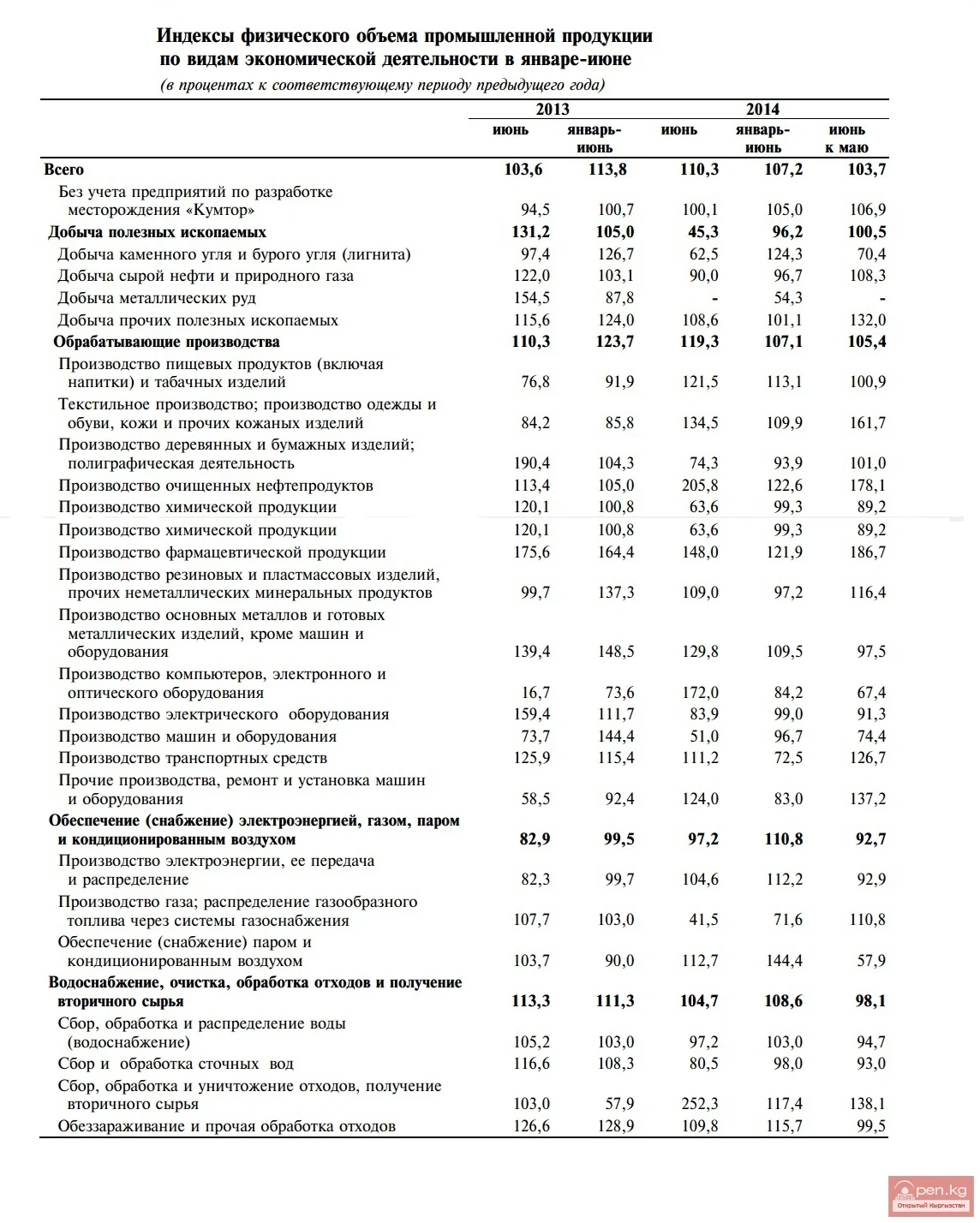
The increase in industrial production volumes is attributed to the growth in the production of basic metals and finished metal products, food products (including beverages) and tobacco products, textile production, clothing and footwear, leather and other leather products, refined petroleum products, electricity generation, transmission, and distribution.
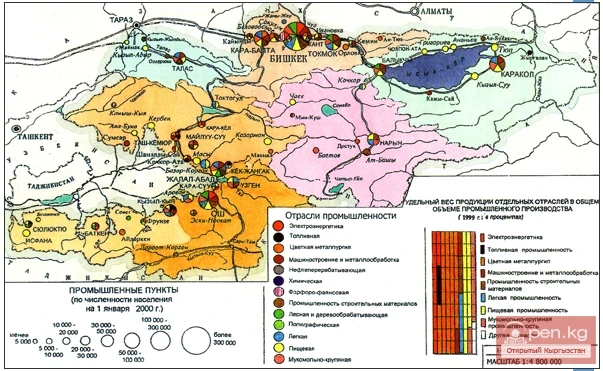
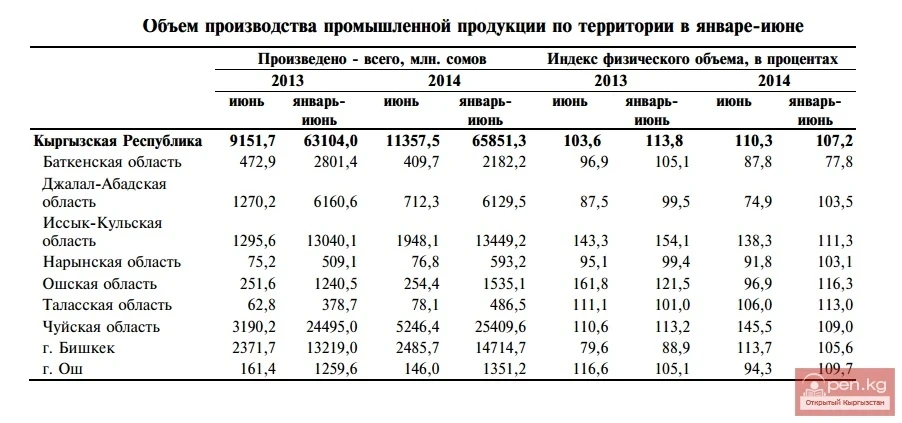
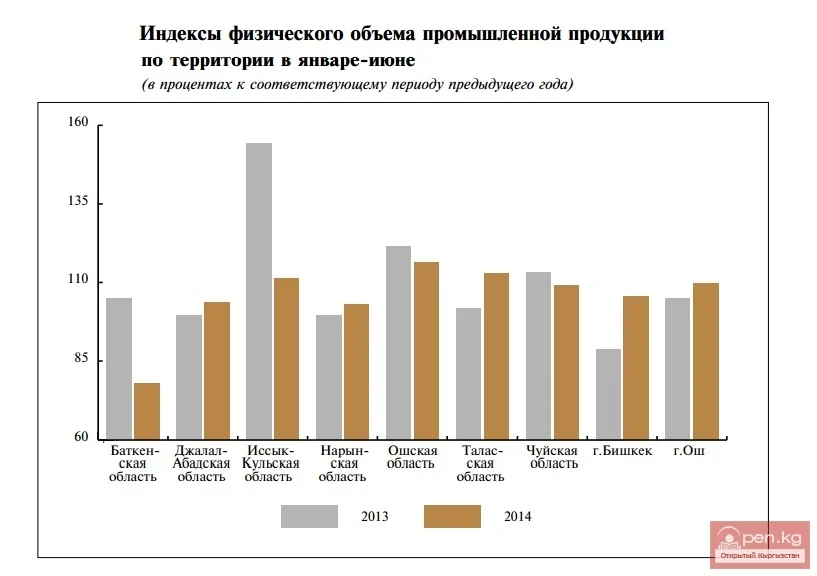
In the first half of this year, the growth in the physical volume of industrial production was achieved by all regions of the republic, except for the Batken region. In the Issyk-Kul region, the growth was ensured by an increase (by 11.6 percent) in the production of basic metals; in the Osh region, it was due to the growth in the production of rubber and plastic products, other non-metallic mineral products (by 31.9 percent), and the generation, transmission, and distribution of electricity (by 18.6 percent); in the Jalal-Abad region, it was due to the growth in electricity generation, transmission, and distribution (by 10.2 percent).
At the same time, the production of industrial goods in the Batken region did not reach last year's level due to a significant reduction in the production of basic metals (by 95.6 percent) and the extraction of mineral resources (by 35.9 percent).
In the first half of 2014, the share of mineral extraction in the total volume of industrial production was 3 percent, manufacturing industries accounted for 76.7 percent, and the supply of electricity, gas, steam, and air conditioning accounted for 19.2 percent, while water supply, waste treatment, and secondary raw material recovery accounted for 1.1 percent.
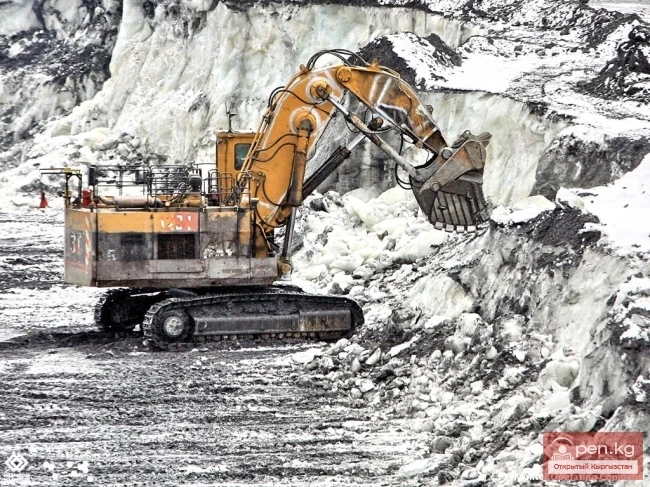
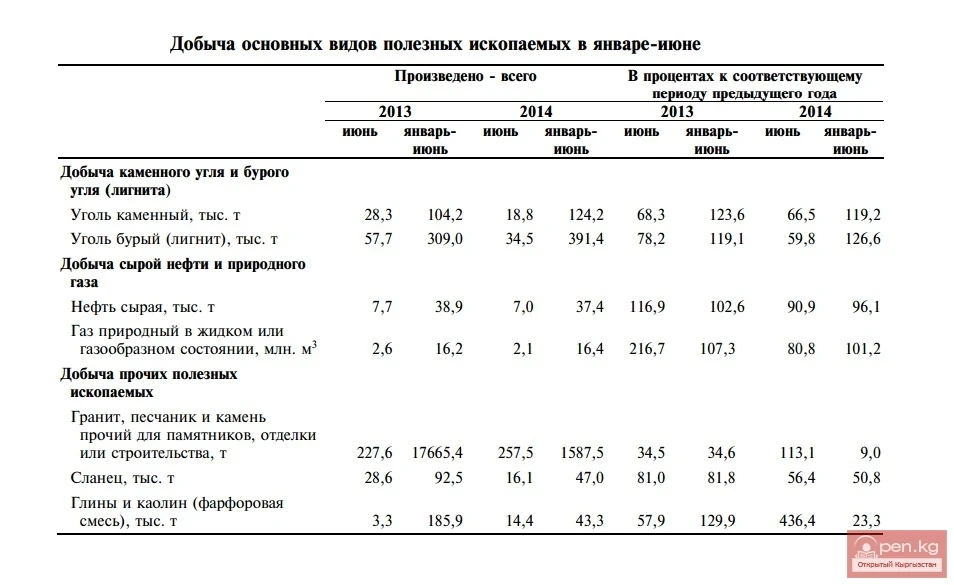
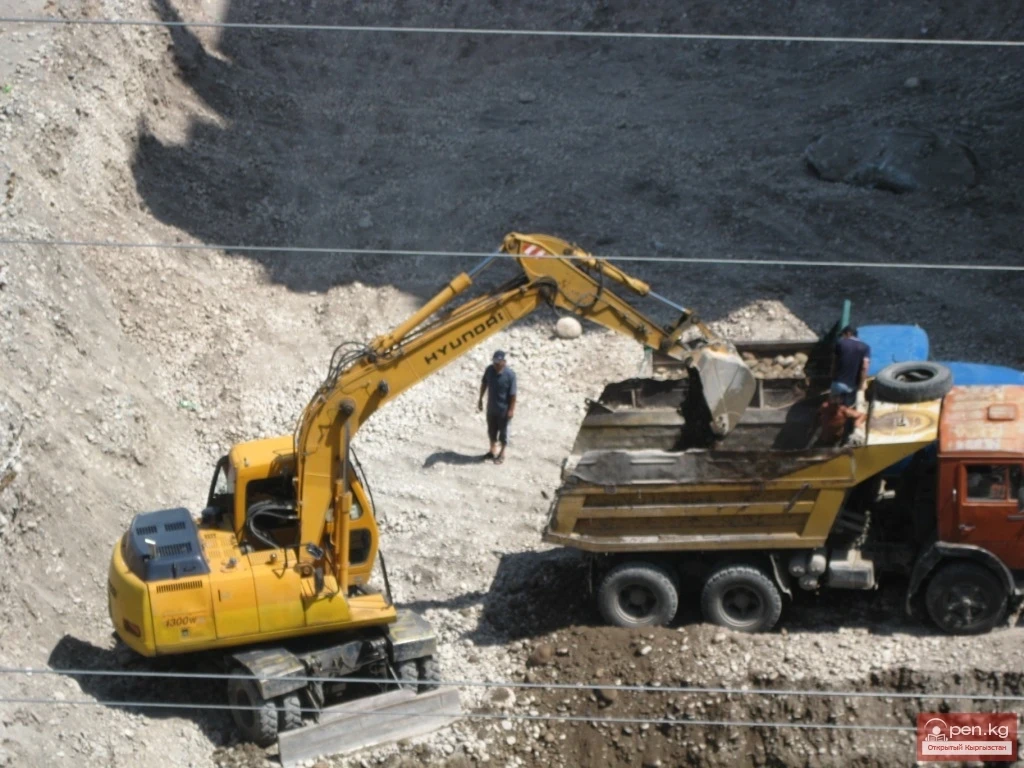
The volume of mineral extraction in the first half of this year amounted to 2,015.5 million soms, with a physical volume index of 96.2 percent compared to the first half of 2013. The decrease in industrial production volumes is attributed to a reduction in the extraction of metal ores by 45.7 percent and the extraction of crude oil and natural gas by 3.3 percent. At the same time, there was an increase in the extraction of coal and lignite by 24.3 percent and other mineral resources by 1.1 percent.
The volume of production in the manufacturing sector in the first half of 2014 amounted to 50,487.0 million soms, of which basic metals and finished metal products accounted for 26,508.1 million soms (40.2 percent of the total volume), food products (including beverages) and tobacco products accounted for 10,204.3 million soms (15.5 percent), rubber and plastic products, other non-metallic mineral products accounted for 7,111.8 million soms (10.8 percent), and textile production, clothing and footwear, leather and other leather products accounted for 2,520.7 million soms (3.8 percent). The physical volume index for the sector as a whole in the first half of this year was 107.1 percent, and in June it was 119.3 percent.
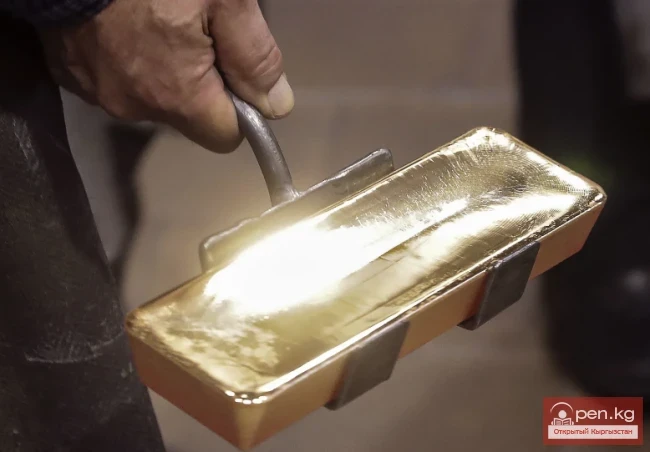
In the first half of 2014, the production of basic metals and finished metal products increased by 9.5 percent due to the growth in the production and purification of precious metals. The increase in the production of food products (including beverages) and tobacco products (by 13.1 percent) was due to the growth in the output of pasta by 21.3 percent, dairy products by 27.3 percent, flour and cereals, starch and starch products by 23.7 percent, and meat products by 13.4 percent. The growth in production in textile manufacturing, clothing and footwear, leather and other leather products (by 9.9 percent) was due to an increase in the output of clothing by 1.1 percent and leather, leather goods, and footwear by 3.7 times. The production of refined petroleum products increased by 22.6 percent, and pharmaceutical products by 21.9 percent.
Along with this, the physical volume index for the production of rubber and plastic products, other non-metallic mineral products in the first half of this year was 97.2 percent, for wood and paper products, printed products it was 93.9 percent, for computers, electronic and optical equipment it was 84.2 percent, for machinery and equipment it was 96.7 percent, for electrical equipment it was 99.0 percent, for vehicles it was 72.5 percent, and for other manufacturing, repair, and installation of machinery and equipment it was 83.0 percent.
The volume of supply of electricity, gas, steam, and air conditioning in the first half of this year amounted to 12,644.9 million soms, which is 10.8 percent more than in the same period last year. In June of this year, these figures were 1,032.2 million soms and 97.2 percent, respectively. The production of electricity in the first half of this year increased by 13 percent, and the services for its transmission increased by 14 percent.
The volume of water supply, waste treatment, and secondary raw material recovery in the first half of this year amounted to 703.9 million soms, in June it was 119.2 million, with physical volume indices of 108.6 and 104.7 percent, respectively.
Out of 478 major types of industrial products produced, in the first half of 2014, the output of 261 items (54.6 percent) increased, 170 items (35.6 percent) decreased, and 45 items (9.4 percent) were not produced.
According to the survey of business activity of industrial enterprises, the average capacity utilization at the surveyed enterprises in the second quarter of 2014 was 48.2 percent. The maximum intensity of their use was observed in enterprises engaged in electricity production, transmission, and distribution (90.2 percent), while the minimum was in enterprises producing petroleum products (10.5 percent).
In the second quarter of this year, 19.9 percent of respondents noted a decrease in solvent demand for their enterprises' finished products, while 12.5 percent reported an increase. 67.6 percent of managers reported no change in solvent demand for their products.
Regarding the increase in prices for finished products in the second quarter of 2014, 17.1 percent of respondents reported an increase, 9.7 percent reported a decrease, and 73.2 percent reported no change in price levels. 16.8 percent of enterprises noted an increase in raw material and material stocks, 12.5 percent reported a decrease, 38.6 percent reported a complete absence of stocks, and 32.1 percent reported no change in stocks.
In the second quarter of this year, 71.3 percent of managers maintained their workforce without changes. At the same time, 11.5 percent of surveyed managers indicated they would reduce their workforce due to financial difficulties, and 14 percent due to a decrease in production volume.
An increase in competition for industrial products in the domestic market was noted by 43.9 percent of entrepreneurs in the second quarter of this year, while 32.7 percent reported no change; in the external market, the figures were 20.2 and 20.6 percent, respectively. Among the reasons that most hinder production growth, industrial enterprise managers noted financial difficulties (58.3 percent), insufficient demand for finished products domestically (20.2 percent), insolvency of customers (39.6 percent), shortage of raw materials and materials (0.9 percent), instability of tax policy (12.8 percent), and power outages (14.6 percent).
When assessing the economic situation of enterprises, the overwhelming majority of respondents (67 percent) characterized the economic situation of their enterprises as satisfactory, 17.8 percent as good, and 15.3 percent as poor.
Source: National Statistical Committee of the Kyrgyz Republic, Department of Consolidated Work and Dissemination of Statistical Information.