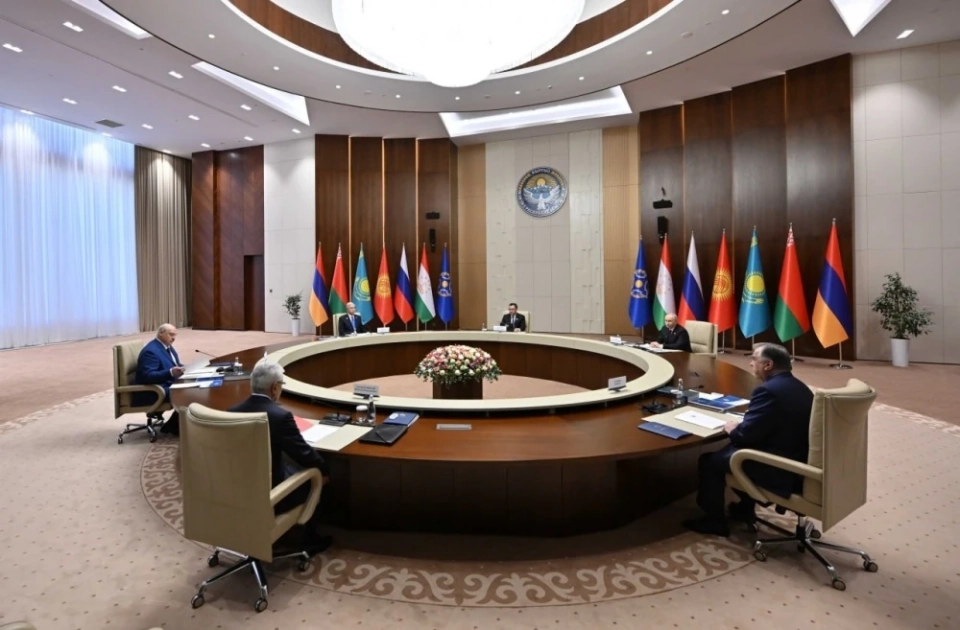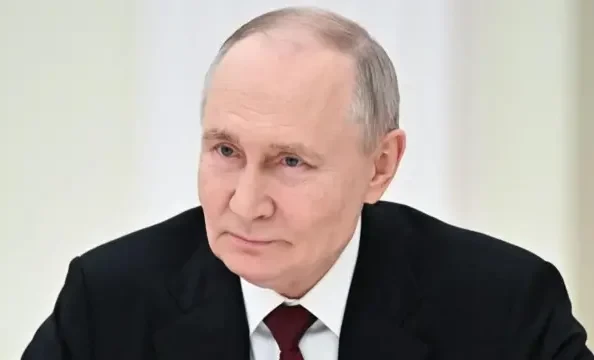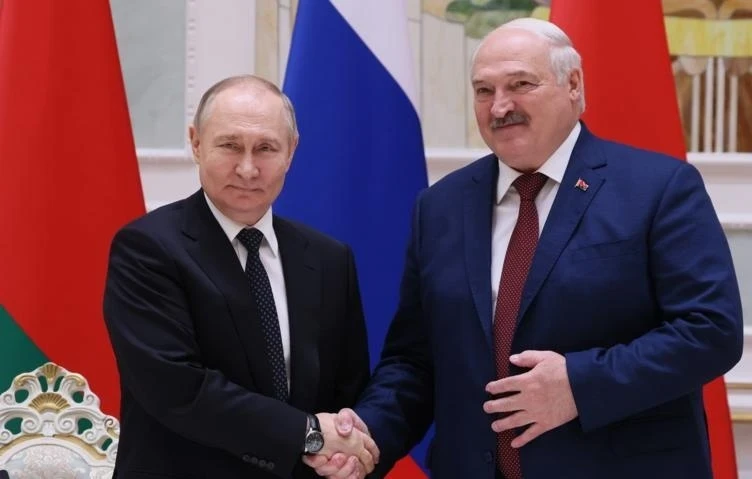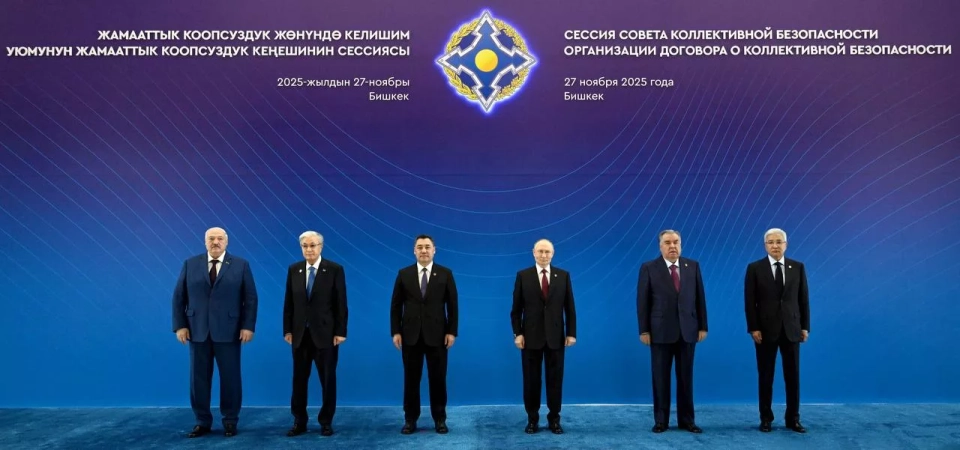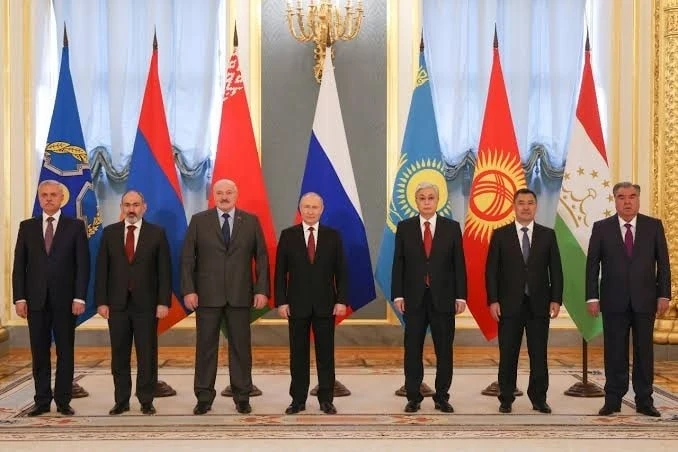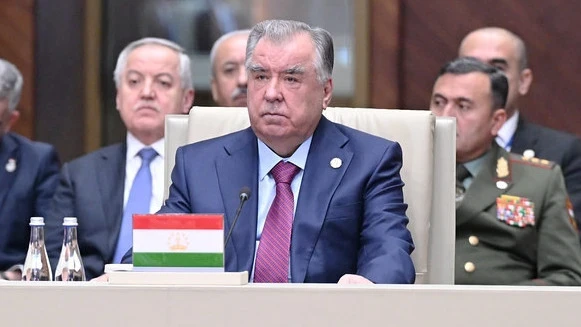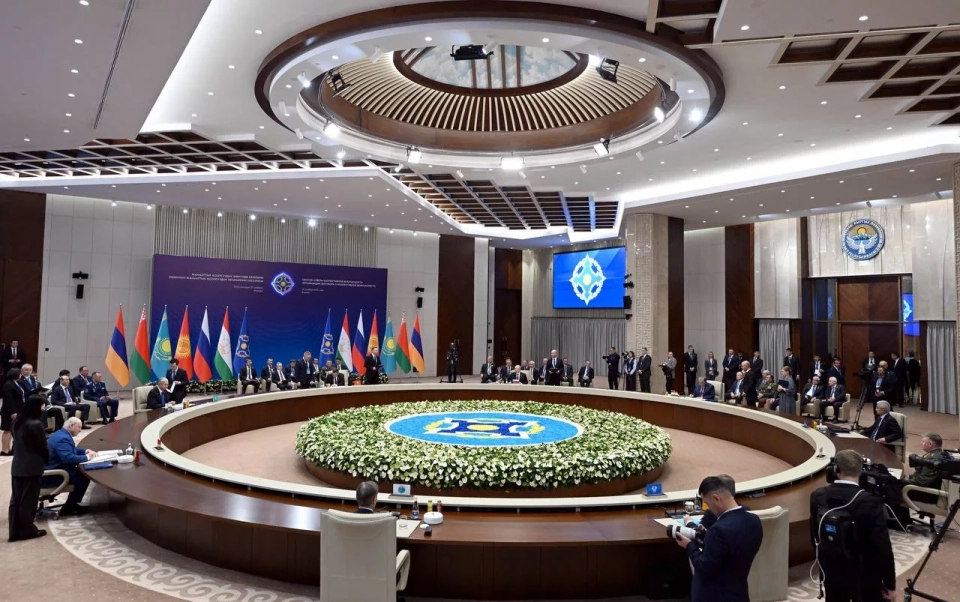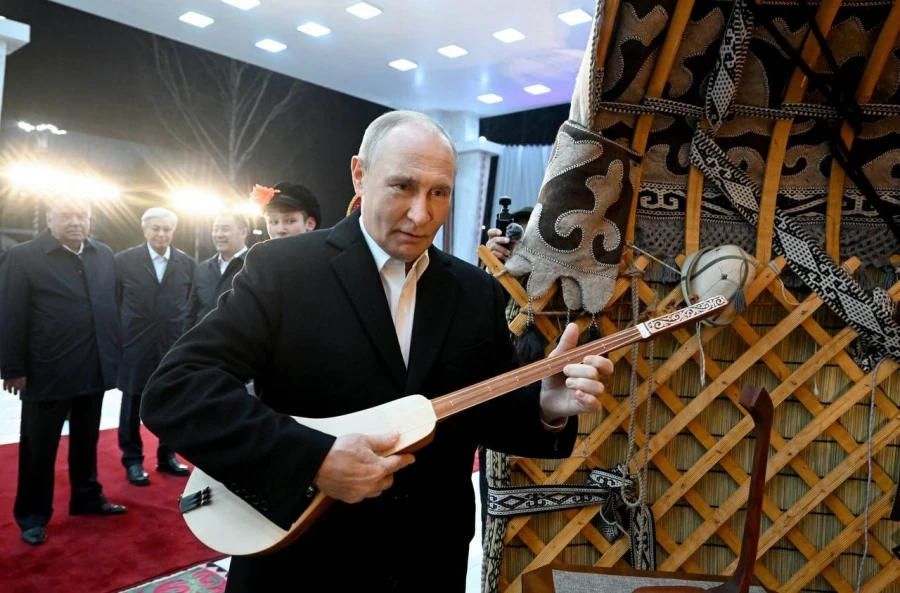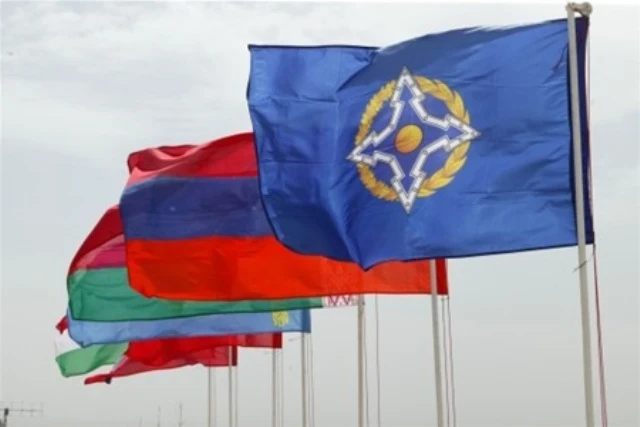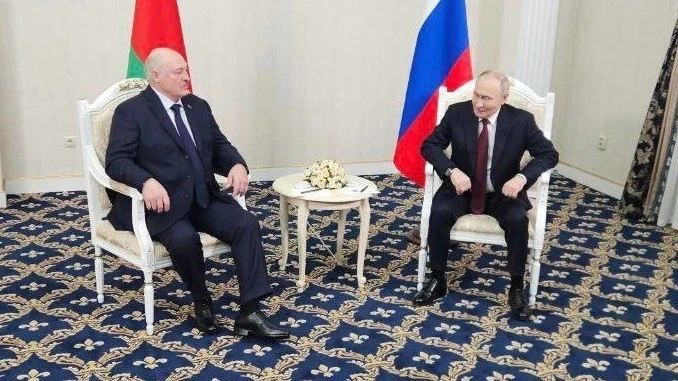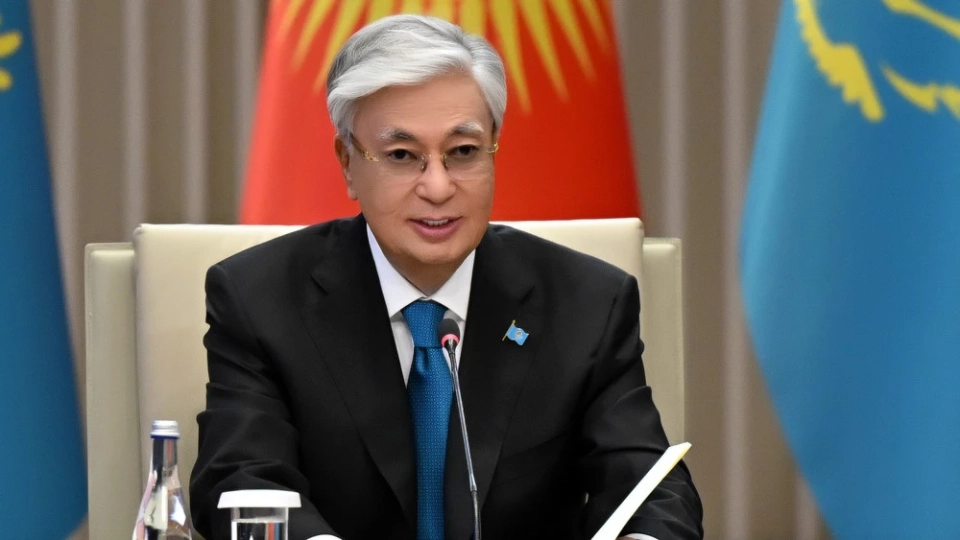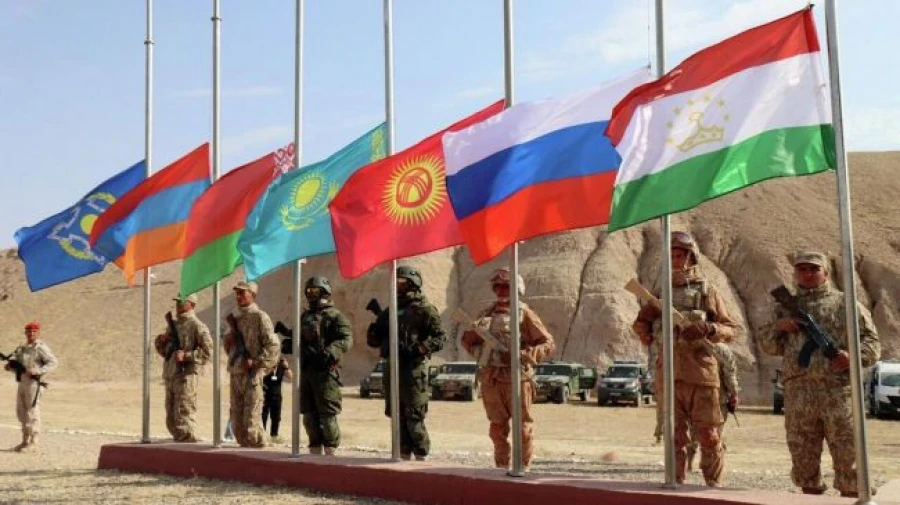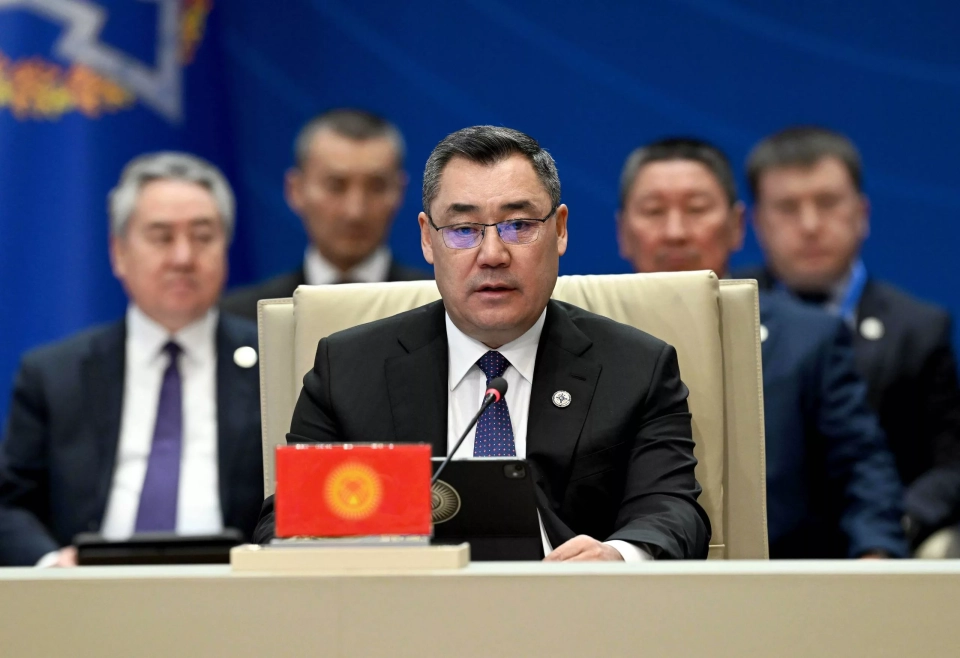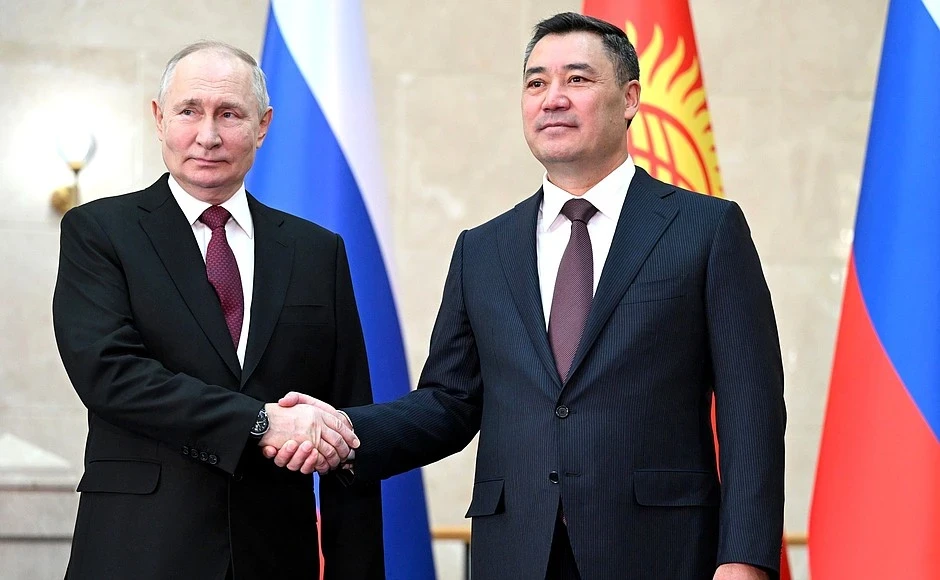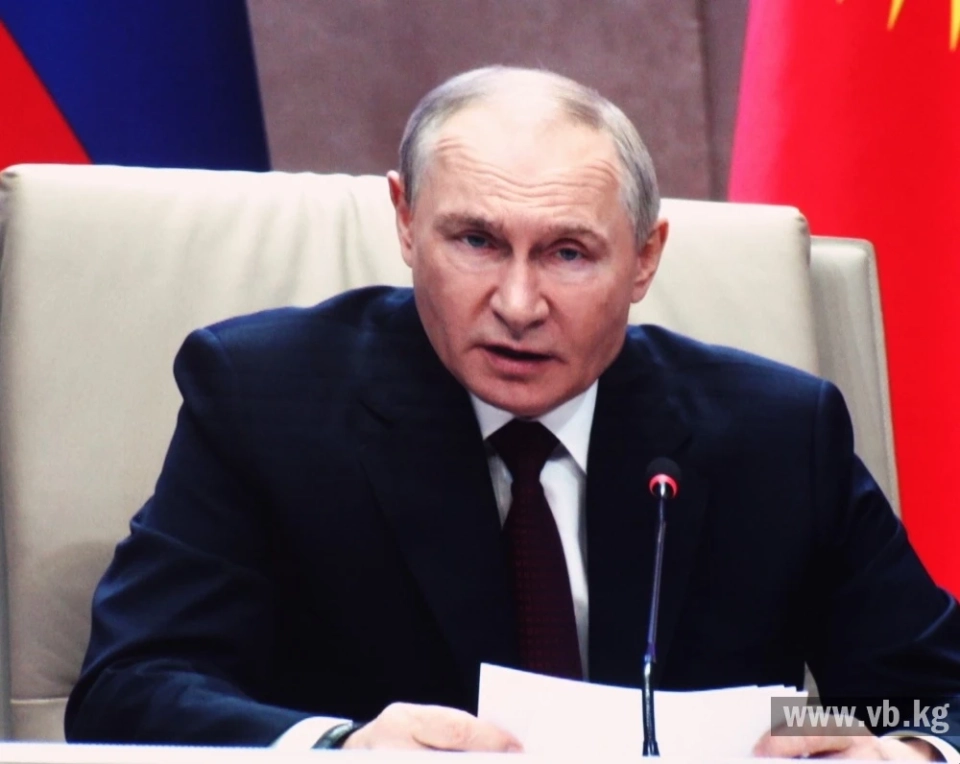

At the CSTO summit held in Bishkek, Russian President Vladimir Putin announced the motto for Russia's chairmanship in the organization for the next year: "Collective security in a multipolar world: a common goal - a shared responsibility." This motto emphasizes the growing military threat faced by the world, which the Kremlin associates with the militarization of the West. The Russian authorities, hoping for the best, are preparing for the worst - a possible war. In the lead-up to the Moscow CSTO summit, an international expert forum on Eurasian security is also planned, as reported by IA REX.
Several key points should be noted. First, Putin announced that the next "Russian" CSTO summit will take place on November 11, 2026. This date is intriguing, as parallels with the Compiègne Armistice, which ended World War I, may not be entirely appropriate. During this time, midterm elections will be held in the United States, which could change the political landscape of the country. If Donald Trump's team loses its positions in the Senate and the House of Representatives, this could lead to internal conflicts or, conversely, a rapprochement with Europe, which is actively preparing for a conflict with Russia. Assistance to the adversary, even if the U.S. does not engage directly in combat, poses serious risks for Russia, as does the restoration of Western unity.
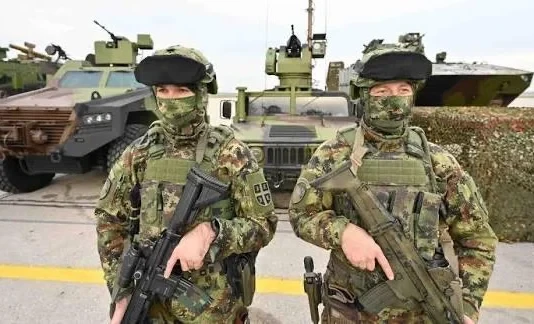
The forum that will be established in connection with these issues will serve as a basis for discussing the CSTO strategy. At the summit, Putin emphasized that the main efforts will be directed towards enhancing the combat readiness of national contingents and improving the management of collective forces, as well as a large-scale program for equipping with modern Russian weapons. This underscores the need to enhance the level of military training and coordination among allies.
Furthermore, issues of CSTO technological leadership and an emphasis on cooperation in the defense industry were discussed. This echoes the experience of the Great Patriotic War, when successful interaction led to significant results. The promise to provide allies with modern military technologies implies that they will need to use them in the interests of the entire bloc. Historical experience shows that a lack of unity can become a problem for collective defense.
Secondly, it is worth recalling Putin's statement about the "exhaustion" of the Euro-Atlantic security system made in June of last year. This statement came shortly after his visit to China, where a transition to a Eurasian security system was discussed. It is important to note that Russia's subsequent activities in North Korea and Vietnam also indicate the creation of an external contour of Eurasian security, which is now becoming particularly relevant against the backdrop of aggressive actions by the West.
Thirdly, the need to create an internal security contour has become evident in light of the escalating international situation. Any appearance of NATO troops in Ukraine will be perceived as a threat, prompting retaliatory actions. A crucial point is that a peaceful resolution of the conflict depends on several factors, including official recognition by Kyiv of its exit from NATO, which will also affect the situation.
It is important to note that Putin does not exclude Europe from the Eurasian security concept, emphasizing that it is part of Eurasia. However, Europe, as the western "end," does not view this proposal positively. This indicates a clash between the Euro-Atlantic security model and the new Eurasian concept.
This shift in Russian priorities is significant. Russia has long been within a hostile Euro-Atlantic system that did not provide security but rather created threats. Now, as Russia distances itself from Europe, the West is beginning to activate conflict mechanisms, reminiscent of historical events. The U.S., as before, may maintain the option to participate in the conflict on its own terms, which also underscores the changing geopolitical situation.
Finally, it is worth noting that despite the recognition of the inevitability of Kyiv's defeat, the West continues to prolong the conflict, demanding that Ukraine resist to the last. This indicates preparations for a major war, where Ukraine becomes a fortified area intended to cover Europe's military mobilizations. In the context of rising tensions, the process of forming a security system in Eurasia continues to deepen, and the time for consolidation in the face of an impending threat is becoming increasingly relevant. This is precisely what Putin indicated in Bishkek.