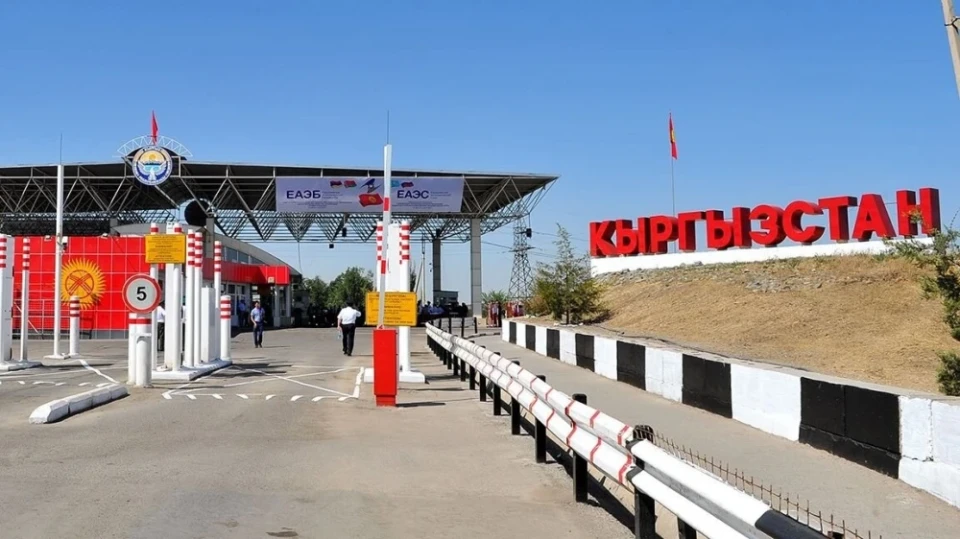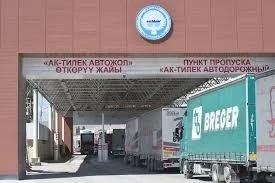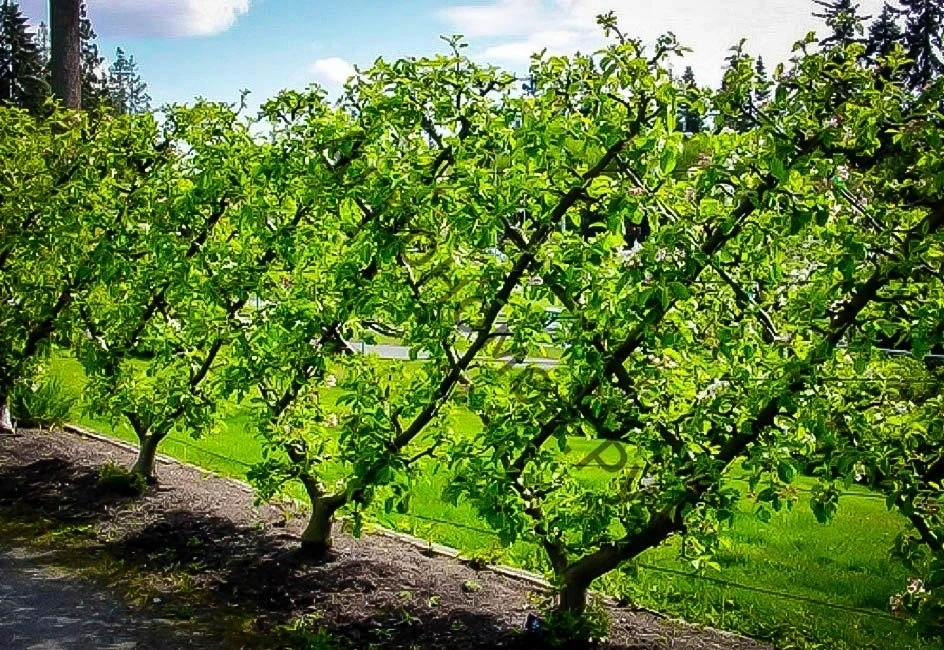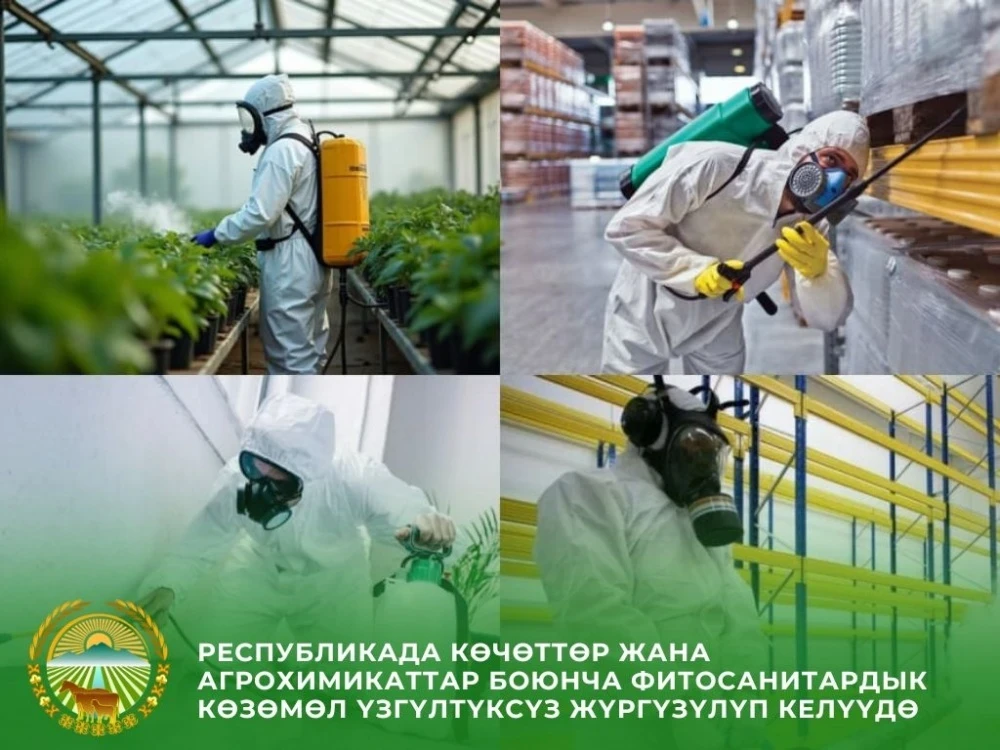
The Department of Chemicalization, Plant Protection, and Quarantine, which is part of the Ministry of Agriculture of the Kyrgyz Republic, has announced the introduction of strict control measures for the import of seedlings, which are classified as products with a high phytosanitary risk. According to the press service of the department, every seedling crossing the country's border must undergo a multi-level inspection. This includes a detailed check of documents and certificates, as well as mandatory laboratory analysis to detect hidden pests and diseases. In case of a threat, serious disinfection measures are applied, which led to record fumigation volumes in 2025, amounting to 156 thousand cubic meters, significantly exceeding last year's figures.
Analysis of the statistics shows significant changes in the market: in 2024, Kyrgyzstan imported over 13.3 million seedlings, while in 2025 this figure was reduced by almost half, totaling 6.86 million units. At the same time, there is also a decrease in export volumes, indicating changes in trade flows. The requirements for product quality are becoming stricter: now, in order to import seedlings, it is necessary not only to have a certificate but also a special permit document confirming the right to use specific varieties and hybrids on the territory of the country.
The department also emphasizes "chemical safety" in the agricultural sector. There is a strict ban on the use of unregistered pesticides and agrochemicals in the republic. All products that have not undergone state registration are subject to confiscation, and their import is blocked. This strict policy aims to create a reliable barrier against quarantine organisms that can cause serious harm to both the ecosystem and agriculture in Kyrgyzstan.