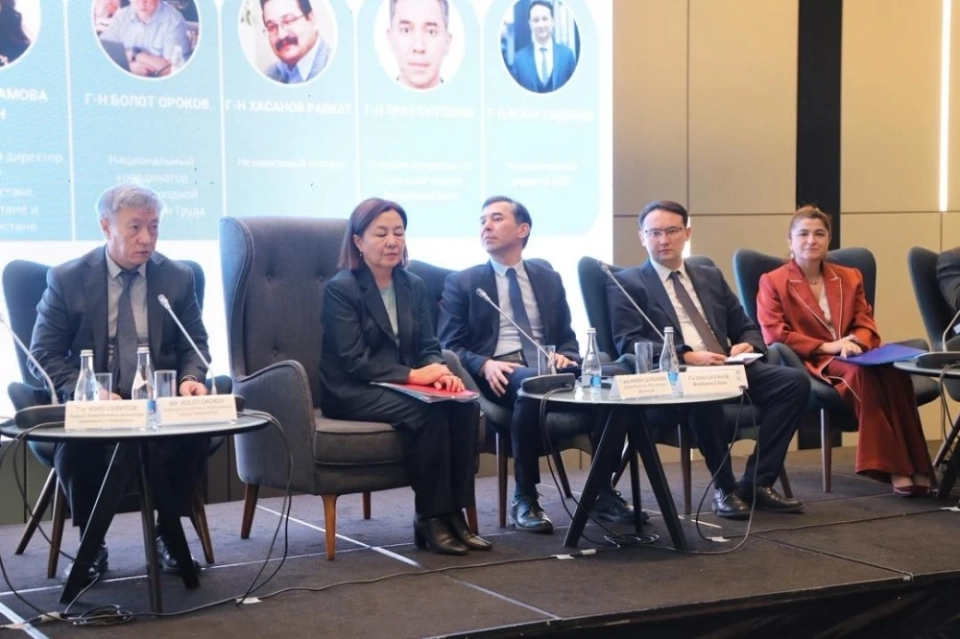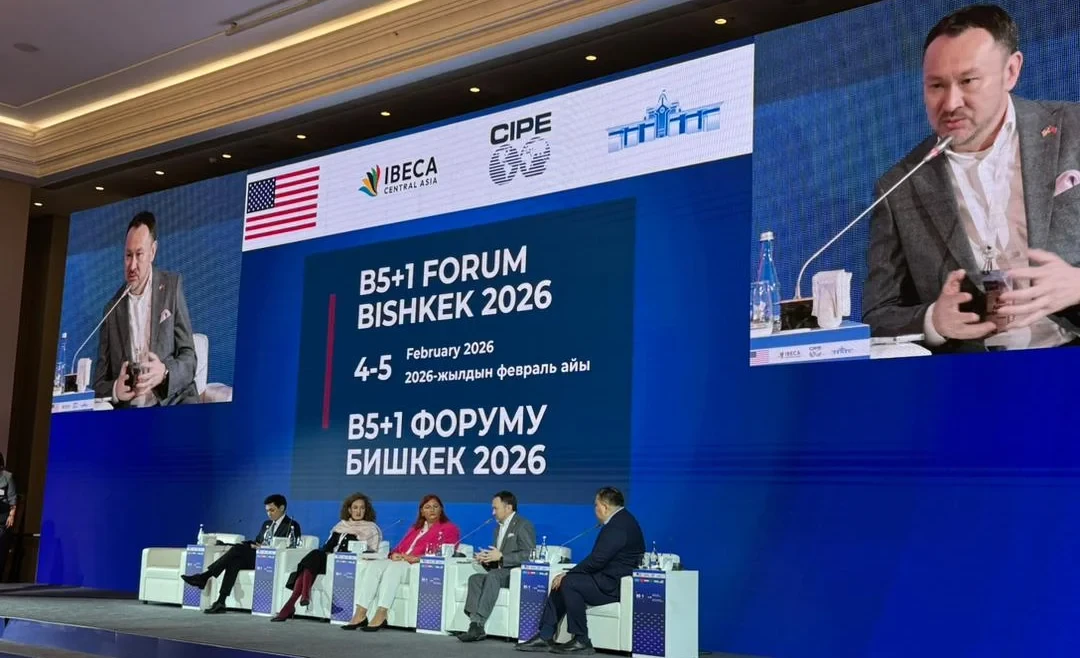
Mobile infrastructure is of immense importance for the digital economy of Central Asian countries, as emphasized by the CEO of Ericsson, Aydin Abzhanbekov, at the B5+1 forum taking place in Bishkek.
In our time, mobile devices are becoming the foundation for numerous digital services, including mobile banks like Kaspi, as well as applications utilizing artificial intelligence and high-quality video content.
“The boundary between telecommunications and IT has practically disappeared; they are now interconnected. Most business models depend on smartphones. A person can leave their keys or documents at home, but they always have their phone with them,” noted Abzhanbekov.
He also pointed out the challenges faced by operators in this region: low average revenue per user (ARPU) and the need for constant investments in network upgrades, coverage expansion, and compliance with regulatory standards. In Kazakhstan, for instance, programs like “500+” and “250+” are aimed at improving mobile connectivity in sparsely populated areas.
Furthermore, Abzhanbekov emphasized the importance of diversifying suppliers of critical infrastructure. In some Central Asian countries, almost all networks are based on equipment from China, whereas in Kazakhstan, about 50% of 5G networks use Ericsson technologies. “Having reliable and secure suppliers of critical infrastructure creates opportunities for attracting funding on favorable terms,” he added.
According to the head of Ericsson, the development of mobile infrastructure is fundamental for the entire digital economy of the region, including financial technologies, artificial intelligence, and other high-tech solutions.