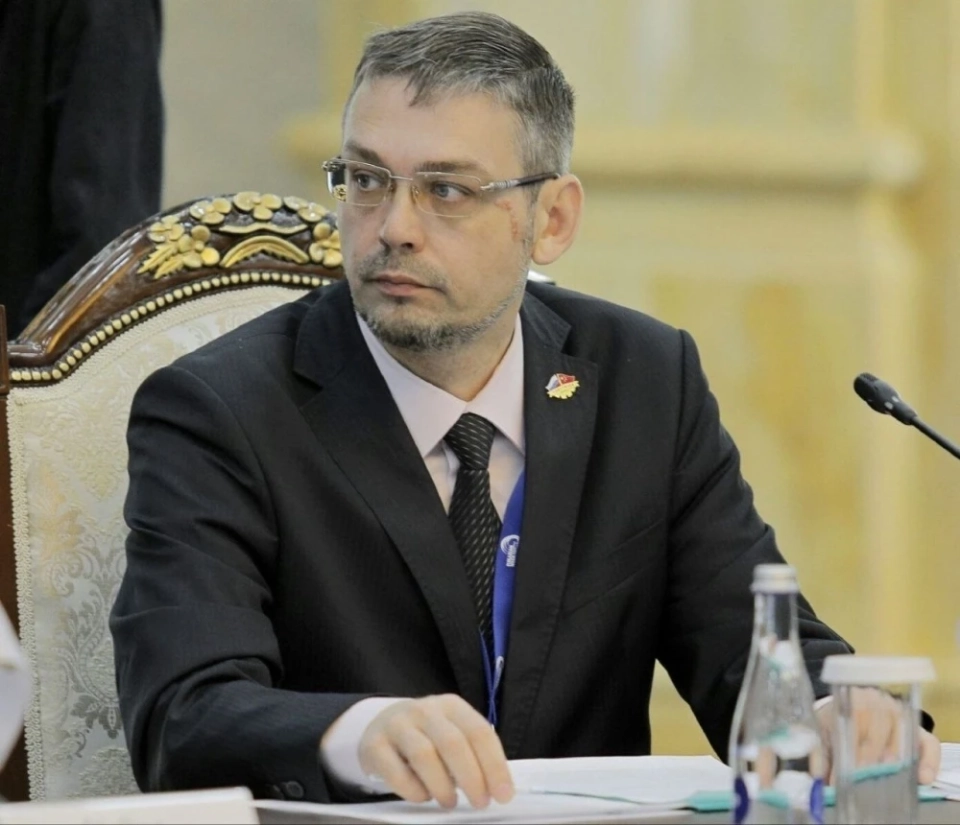
The issue of water scarcity in Central Asia is no longer limited to environmental aspects; it has become a serious challenge for the entire economy. International expert Sobir Kurbanov shares his views in his article on Cronos.Asia about how to transform the water resources crisis into an opportunity for sustainable development.
Water as a "hidden tax" for business
Sobir Kurbanov points out that the lack of water resources directly affects productivity, supply chains, and capital costs. The main problem lies not only in climate change but also in outdated infrastructure. Due to inefficient management systems and worn-out canals, water becomes "expensive by default," as businesses face significant leaks and downtimes.
The expert highlights three key aspects that negatively impact the private sector:
Decreased productivity: Reduced agricultural yields affect the entire chain—from the food industry to logistics. Increased costs: The industrial sector faces disruptions, while energy companies, especially in Kyrgyzstan and Tajikistan, experience resource shortages and rising prices. Logistic risks: The declining level of the Caspian Sea is already impacting ports and transit costs in the region.
Institutional problems and possible solutions
The complexity of the situation lies in the fact that the management of critical infrastructure is handled by state structures with low profitability. This creates a vicious cycle: ineffective maintenance leads to a reluctance to invest, and a lack of funds results in new accidents and losses.
Sobir Kurbanov emphasizes that it is necessary to change the perception of water—it should be viewed not as a free resource but as an economic asset. To overcome the crisis, the expert proposes the following measures:
Implementing transparent rules for public-private partnerships and attracting private investments; Transitioning to "digital water" (smart accounting and monitoring of leaks); Establishing tariffs that reflect the real cost of resources, taking into account support for vulnerable populations.
In conclusion, without reforms, water resources will remain a "bottleneck" for the region. However, with predictable regulation, this challenge can become an impetus for modernization and the introduction of new technologies and management approaches in Central Asia.